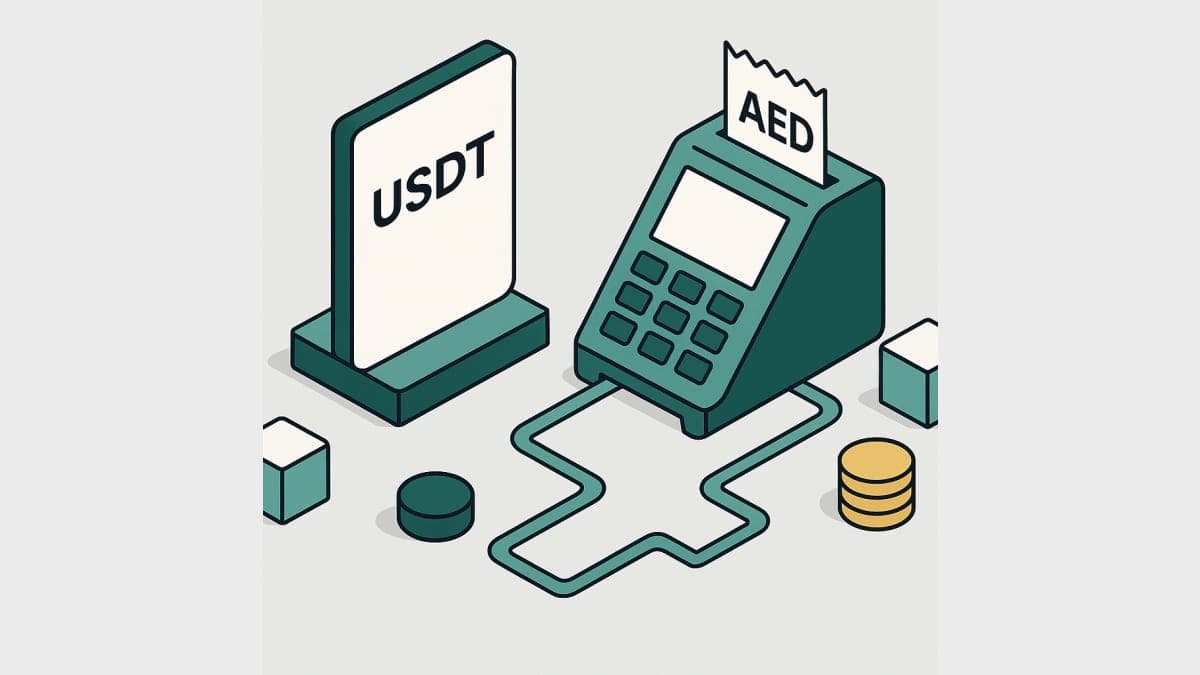
Dubai's currency, the UAE dirham (AED), has been fixed at 1 USD = 3.6725 AED officially since Nov 22, 1997.
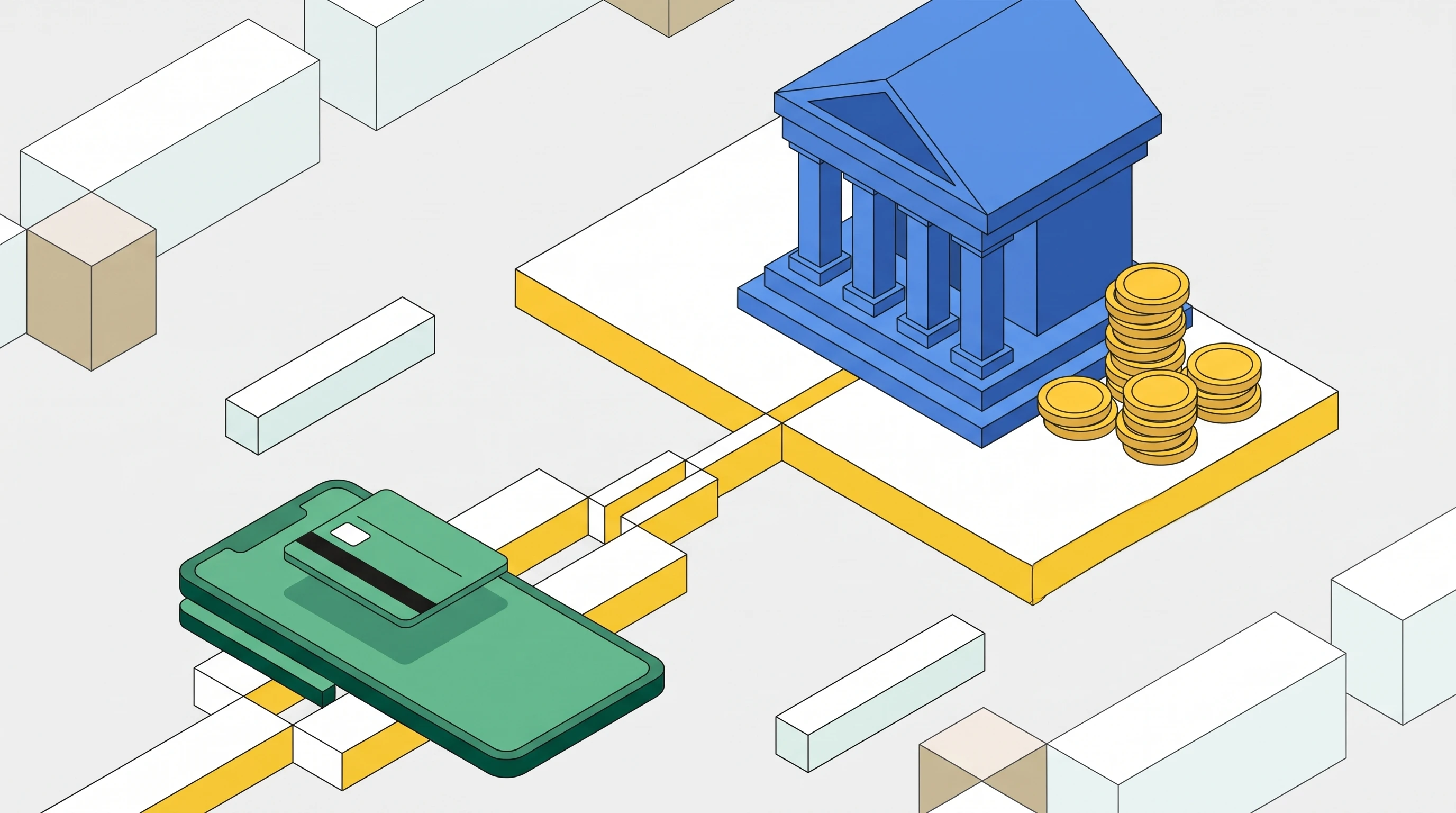
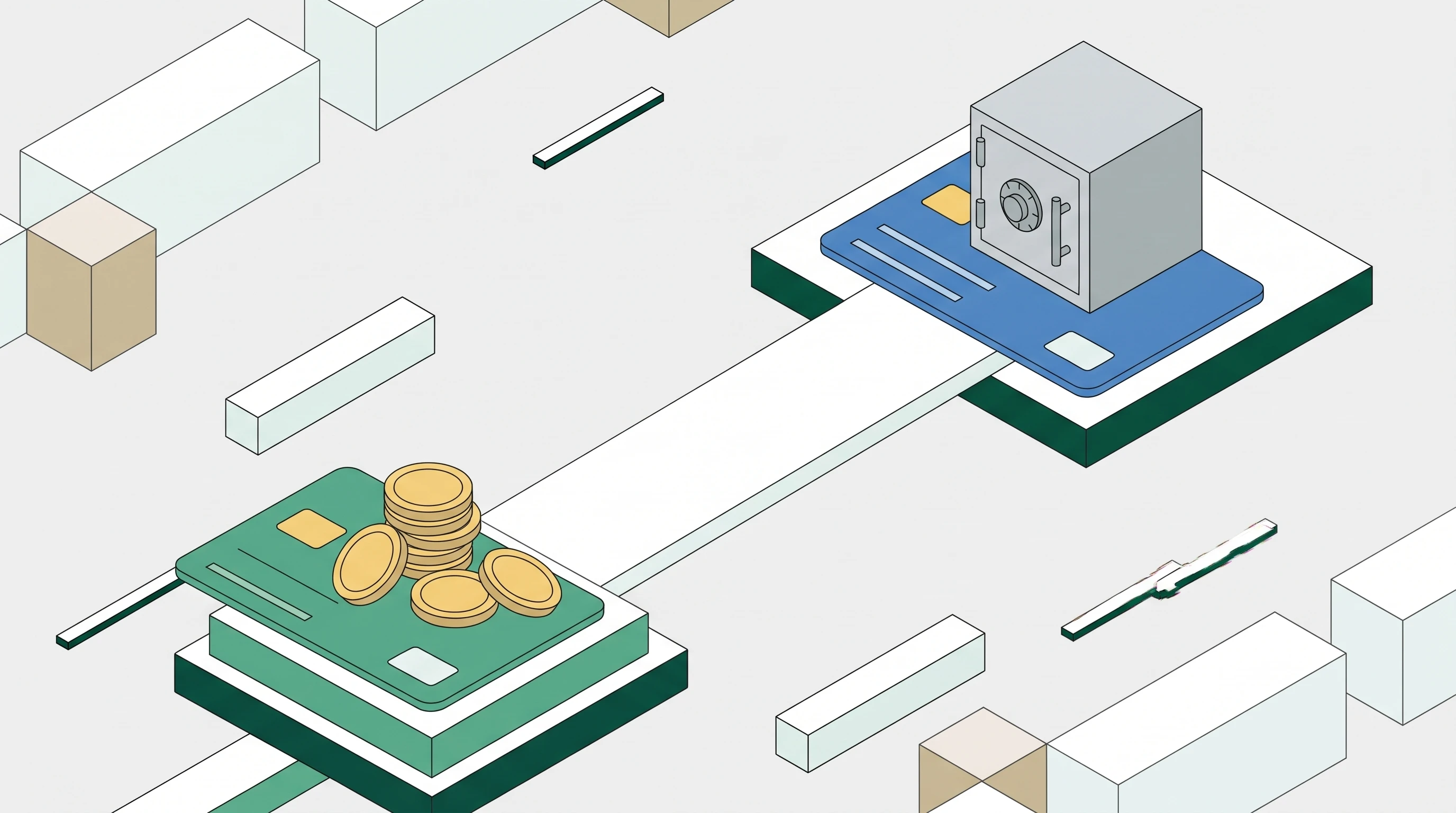
You can spend USD₮ in Dubai by using a stablecoin card, a Visa or Mastercard that converts your USD₮ balance into fiat at checkout and charges the merchant in AED.
Dubai is contactless-friendly, but your real cost depends on spreads, FX markups, and avoiding DCC. Keep reading for a setup checklist, terminal tactics, the fee stack, and receipt math.
Key Takeaways
Pay in AED to avoid DCC markups that can add 2–5%.
Your "USD₮ spend" cost is conversion + network FX + issuer fees.
Use receipt math vs AED's USD peg to spot hidden fees fast.
Why a stablecoin card works in Dubai (and where it doesn't)
Dubai is card-first, and the AED's USD peg sets a clear baseline of 3.6725 AED per USD. That makes stablecoin cards practical for day-to-day spending.
The gaps are operational, not theoretical. Acceptance can vary by merchant. FX prompts like DCC can add markup. Holds at hotels or rentals can tie up balance for weeks.
Dubai is card-first and contactless-heavy
You can rely on cards in Dubai because card usage is dominant and contactless is the norm. In most visitor areas, tapping a phone or card is standard.
In 2024, credit cards were 35% of UAE POS transaction value. Cash accounted for 18% of POS purchases. That split matters if you prefer to spend USD₮ without ATM steps.
Contactless is especially mature. One major Dubai bank has seen contactless represent as much as 84% of face-to-face card payment transactions. That aligns well with mobile wallets and quick tap flows.
One caution is traveler anxiety. Visa's 2023 Global Travel Intentions study found 70% of UAE outbound travelers consider digital payments vital for secure travel. Top concerns included currency conversion costs at 26% and ATM fees at 24%.
What "spending USD₮" actually means at checkout
When you "spend USD₮," the merchant still receives AED. Your card provider handles conversion behind the scenes and settles through Visa or Mastercard rails.
At the terminal, the shopper may be offered a choice of AED or their card's billing currency. If they proceed in local currency, it is processed in AED. The card network applies a wholesale FX rate on the processing date. Mastercard publishes rates once per day for a 24-hour period.
Your issuer can add its own layers. Some programs charge a crypto conversion fee when USD₮ converts to fiat. Bybit's EEA program discloses a 0.9% crypto conversion fee. Other providers range more broadly, from 0% to 2.5%.
Then comes the issuer's foreign transaction fee or FX markup. Examples include 2% outside certain regions, or 3% on some card tiers in other programs.
The AED peg helps you audit outcomes. If your all-in rate is meaningfully worse than the 3.6725 baseline, the difference is usually fees, spreads, or DCC.
Timing also matters. Authorization can differ from clearing or settlement. Visa has aimed since April 2021 to align rates across authorization and settlement.
Step-by-step: How to spend USD₮ in Dubai with a stablecoin card
The safest flow is simple: set up your card and funding path before travel, keep a buffer for holds and tips, and always choose AED at terminals or ATMs.
Dubai's payment environment is favorable, but avoidable costs are predictable. Most surprises come from DCC, weekend markups, and authorization holds.
Before you fly: set up, fund, and choose the right rails
Prepare by picking a card with clear FX terms and a clean funding path. "0 fees" headlines often hide costs in spreads, markups, or conditional pricing.
Confirm basics early: country availability, KYC requirements, and whether you get a virtual card, physical card, or both. If you plan to use Apple Pay or Google Pay, set that up before you land.
Plan your funding route. Some wallets require enough of the network's gas token before your USD₮ balance can be moved or spent. If you must transfer onchain, network fees can apply based on the chain and congestion.
Assume you will face holds. Hotels, rentals, and pay-at-pump merchants can pre-authorize more than the final amount. Some guidance recommends keeping 20% or more above the bill for tip-friendly merchants.
Bring redundancy. Keep a second card in case of declines. Keep a small AED cash backup for edge cases, even though cash is only about 18% of POS purchases.
If you will withdraw cash, read ATM terms. Some programs have free monthly limits, then add percentage fees. ATM operators can also add surcharges that your issuer does not control.
At the terminal: pay in AED, avoid DCC, handle tips and holds
In Dubai, the key move is to select AED, not USD, and decline any "helpful" conversion offer. That choice often decides whether you pay network rates or merchant markup.
Use a simple script at checkout: "Charge me in AED." If prompted, choose "Pay in local currency." If the screen shows conversion, choose "Decline conversion."
DCC is the common trap. With dynamic currency conversion, the merchant or ATM operator sets the exchange rate. Typical DCC markups are about 3% to 7% above mid-market rates.
DCC can also stack with issuer fees. If the merchant converts to USD, your issuer may still treat it as cross-border and add a foreign transaction fee.
Expect restaurant edge cases. Some merchants authorize slightly more to allow for gratuity. If you add a tip, final settlement can post later and differ from the initial authorization.
Expect hotel and rental holds. Excess authorization hold amounts may take up to 31 days to return to the available balance. That is a planning issue, not fraud.
The real cost: the fee stack behind a "USDT card payment"
Your effective exchange rate is the sum of multiple layers: USD₮ conversion spread, network FX rate, issuer FX markup, plus DCC, ATM, and refund effects.
To compare cards, ignore slogans. Compare the all-in rate you actually get on AED receipts against the AED–USD peg baseline of 3.6725.
The 7 layers of fees (with concrete examples)
Stablecoin card costs come from stacked layers, even when marketing says "0 fees." The cleanest framing is "who converts what, and when."
Stablecoin conversion spread or fee. Some programs charge conversion fees around 0.9%. One program cites a minimum fee of 1 EUR.
Card network FX rate. Visa and Mastercard use daily wholesale market rates. Mastercard sets a base rate daily, applied based on processing or authorization time.
Issuer FX markup or foreign transaction fee. Some issuers add around 2% on foreign-currency transactions. Other programs or tiers charge 3%.
ATM vs purchase differences. ATM withdrawals can trigger separate fees after free limits. Operator surcharges may apply, and some issuers add overseas ATM fees.
Network fees for onchain funding. Some programs warn that local, third-party, and network fees may apply alongside conversion spread.
Merchant-side conversion (DCC). If the merchant converts, Mastercard rates do not apply. DCC markups are often cited in the 3% to 7% range.
Refund and chargeback FX slippage. Some programs refund in USDC, typically processing within 3–7 business days. Some state fees are non-refundable.
Callout: AED's peg is your detector. The baseline should track 3.6725. Bigger gaps usually mean stacked fees.
When fees spike in Dubai: weekends, ATMs, hotels, refunds
Fees jump most when extra markups activate. The usual triggers are weekend FX add-ons, DCC prompts, ATM withdrawals, and merchant pre-authorizations.
Weekend pricing is common. One program adds an extra 0.5% on weekend FX conversions. Another fintech charges 1% for standard customers during weekend windows.
ATMs can be expensive. Beyond issuer charges, you can face operator surcharges and overseas ATM fees. Where card acceptance is available, POS spending is simpler than cash.
Hotels and rentals can inflate your "cost" temporarily. Authorization holds can exceed the final bill, then settle later. Excess held amounts can take up to 60 days to return in some cases.
Refunds can surprise you even with a pegged AED. If the program refunds in a stablecoin at the prevailing rate, small differences appear. Delays also complicate reconciliation.
How to audit your exchange rate from receipts
You can compute your true all-in fee by comparing the AED receipt amount to the USD₮ or USD deducted. Then benchmark that result against the AED–USD peg and the network's reference rate.
Do this for your first few purchases in Dubai. A quick audit can reveal DCC, issuer markup, or an unexpected conversion layer before you scale up spending.
Receipt math template and worked example
Effective rate equals (AED on receipt) divided by (USD₮ or USD deducted). Comparing that to a reference rate reveals the all-in percent cost. Because AED is pegged near 3.6725, it works as a stable reference.
Template steps:
AED amount on receipt
USD₮ or USD deducted from statement
Reference rate from Visa/Mastercard calculator, or the 3.6725 peg
Effective rate calculation
Implied fee % vs reference rate
One worked example uses AED 500. At the 3.6725 peg, that is about 136.14 USD. With a 2% FX fee plus a 0.9% conversion fee, the deduction becomes about 140.09 USD.
That works out to roughly 2.9% when you add the two quoted rates. Keep fees separate to avoid under-counting. Your receipt audit makes the stack visible.
If your math shows a much larger gap, suspect DCC. A 2% to 5% merchant markup often dominates everything else, and it can still stack with issuer FX fees.
Troubleshooting: declines, holds, refunds, disputes
Most issues are solvable by changing how you pay, keeping buffers, and documenting receipts and processing dates. Treat it like travel card ops.
Declines often come from merchant category rules, offline terminals, or insufficient available balance due to holds. Risk checks can also trigger on unusual merchant patterns.
Holds are normal for hotels, rentals, and some restaurants. Authorization reserves funds, and settlement posts later. If funds stay locked, contact the merchant first, then the issuer.
Refunds can take time and may use a new conversion moment. Some programs issue refunds in USDC based on the prevailing exchange rate within eight days. Save screenshots and receipts.
Quick "do this now" checklist
Always choose AED, and decline conversion
Keep a 20% buffer for tips and holds
Minimize ATM withdrawals when POS works
Save receipts and note processing dates
Dispute with documentation, not memory
Conclusion: Spend USD₮ confidently in Dubai
Spending USD₮ in Dubai is straightforward if you treat it like a normal card trip. Always opt into AED, understand the fee stack, and verify your effective rate using receipts.
Dubai is built for tap-to-pay. Credit cards were 35% of POS value in 2024, and contactless is 80%+ of card payments. That makes stablecoin cards a natural fit for daily spend.
Your safest defaults are consistent. Use contactless POS more than ATMs. Decline DCC and pay in AED. Expect hotel and rental holds, and keep extra balance for tips.
Watch timing windows too. Weekend FX add-ons like +0.5% exist in some programs. Refunds can reprice at the prevailing rate, and fees may not be returned.
When you compare providers, compare the all-in effective rate you measure. A five-minute receipt audit beats guesswork. As stablecoin payments mature, clearer pricing and better settlement rails will matter more than branding.
Plasma is infrastructure purpose-built for stablecoin and digital dollar payments, focused on reliable, low-friction settlement. Explore Plasma's approach to stablecoin payments and follow Plasma for updates on stablecoin payment rails.
Ready to get started? Open your account today.