USD₮ is easy to hold and, most of the time, easy to move. The part people get wrong isn't the token itself, it's the plumbing underneath it: which network it's traveling on, what that trip actually costs once every fee is counted, and whether the person on the other end can even receive it the way you're sending it.
Key Takeaways
TRC-20 vs ERC-20 isn't really an Ethereum-gas-vs-Tron-fees comparison. Platforms add their own withdrawal and markup fees on top of whichever network you use, and those often matter more than the base fee does.
Sending to the wrong network, or the wrong address format, is one of the few crypto mistakes that can be genuinely unrecoverable.
The right way to spend USD₮ changes with the amount, the urgency, and where the money needs to end up. There's rarely a single "best" answer.
The Mistake That Matters More Than the Fee
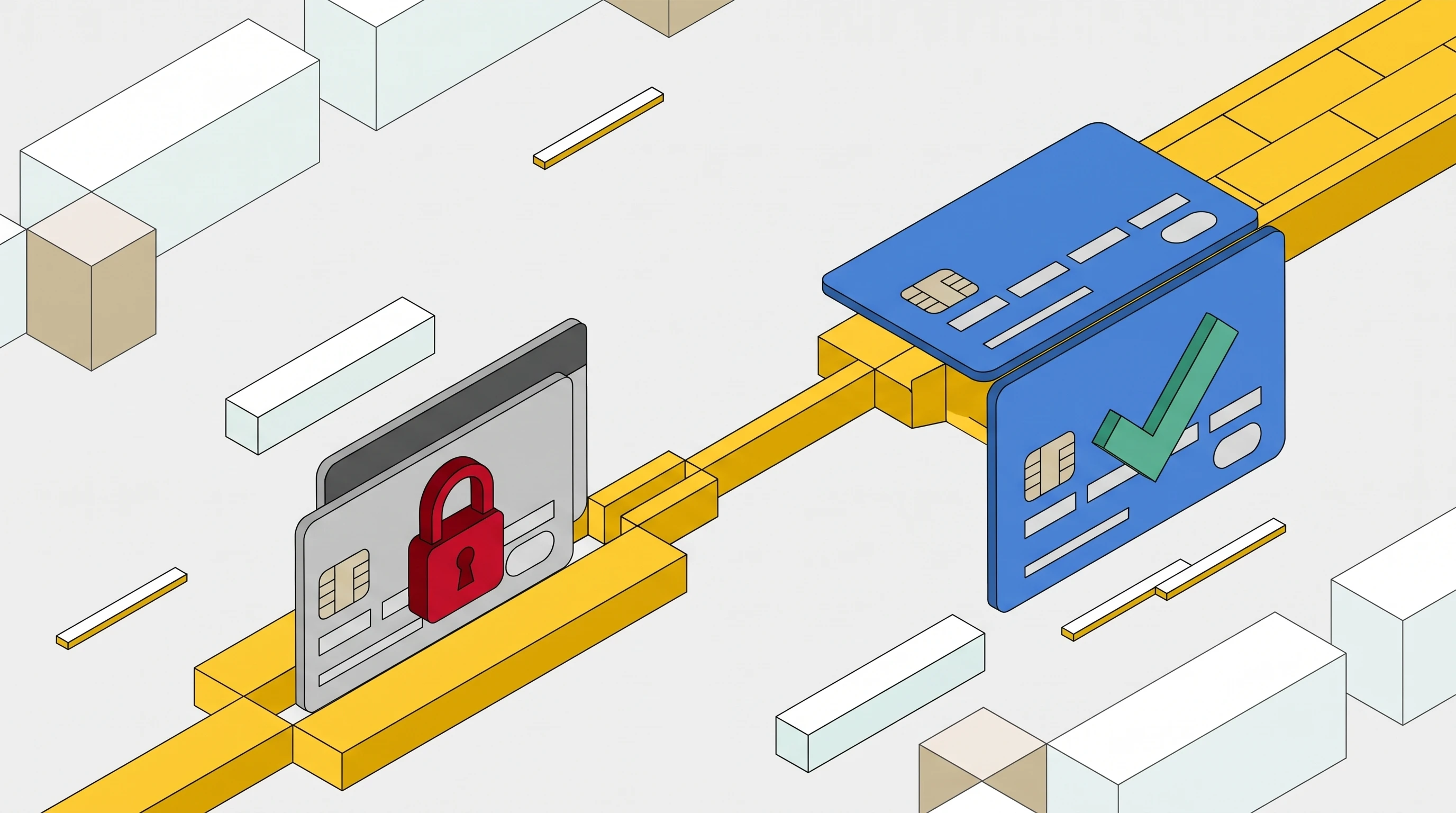
USD₮ is issued on multiple networks. The sender and recipient must support the same token contract and network; matching the ticker alone is insufficient.
A deposit address is valid only for the token and network the recipient supports. Some EVM networks share address formats, while TRON uses a different format. A valid-looking address does not establish recipient support, and an unsupported deposit may be unrecoverable.
So before any of the fee math below, there's a simpler rule: never send USD₮ based on the token name alone. Get the exact network name from whoever's receiving it, confirm the address format against official documentation for that chain, and check whether a memo or tag is required.
For anything beyond pocket change, send a small test amount first and confirm it landed before sending the rest.
What You're Actually Paying For

Ask most people whether TRC-20 or ERC-20 is cheaper and they'll answer in terms of gas fees. That's usually the wrong comparison, because gas is only one of (typically) three layers stacked on top of a transfer, and the other two often matter more.
A network fee pays for transaction inclusion and execution under the chain’s rules. Some components may be paid to validators and others burned; a wallet or exchange can charge separately.
The exchange withdrawal fee is separate, and it's what a custodial platform charges you to move funds out of its system. It's often a flat amount, though it can shift with network conditions, and counterintuitively, it frequently costs more than the underlying network fee it's supposed to cover. Some exchanges bundle this together with the network fee into one number; others itemize it.
The wallet or app fee is the least visible of the three. If you're swapping or bridging inside an app rather than sending a raw transfer, that app may charge for the convenience, whether as a stated service fee or folded quietly into the exchange rate it gives you.
Add them together, along with any FX conversion if fiat enters the picture, and that's the real cost of a transfer, not just whatever number shows up as "network fee" on the confirmation screen.
It's also worth checking the receiving side before you send: some platforms have minimum deposit sizes below which funds simply won't be credited, and those minimums vary by platform.
TRC-20 vs ERC-20, Side by Side
Criteria | USD₮ on TRC-20 (TRON) | USD₮ on ERC-20 (Ethereum) |
|---|---|---|
What drives the cost | Exchange withdrawal policy, plus a variable network fee | Exchange withdrawal policy, plus a variable network fee |
Confirmation speed | Depends on current network conditions | Depends on current network conditions |
Platform support | Varies, check per exchange or wallet | Varies, check per exchange or wallet |
Risk if chains don't match | High | High |
Recovery if sent to the wrong place | Difficult, and depends on the custodian | Difficult, and depends on the custodian |
Use it when | The receiver explicitly asks for TRC-20 | The receiver explicitly asks for ERC-20 |
Reading this table, the pattern that jumps out is that almost every row depends on something other than the chain itself: which platform you're using, current network load, whether a custodian is willing to help if something goes wrong.
That's the honest answer to "which is better." Neither chain is inherently cheaper or safer. What matters is whether it's the one your receiver is actually expecting.
Three Ways to Actually Spend It
Once the network question is settled, spending USD₮ comes down to picking one of three paths, and which one fits depends mostly on who's on the other end of the transaction.
Paying a Merchant: A USD₮-Funded Card
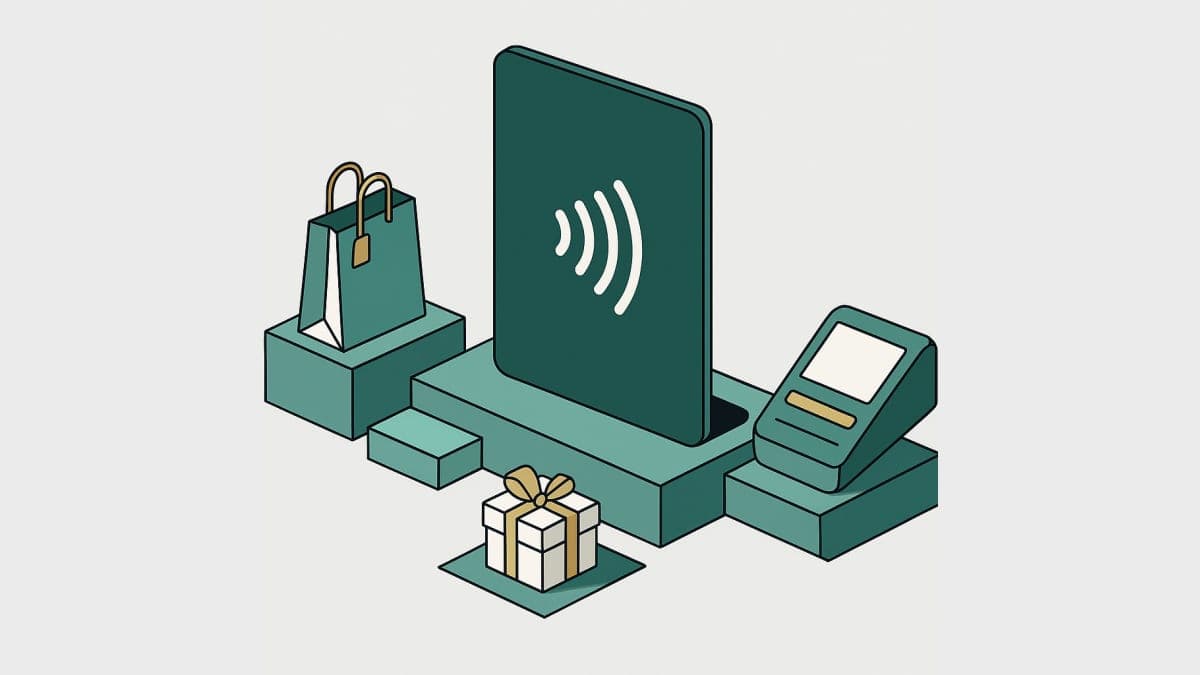
If you're buying something from a business that takes cards, a card funded by your USD₮ balance is generally the least friction. The merchant gets paid in ordinary local currency; your provider quietly draws down your USD₮ balance behind the scenes.
The trade-off is that you're paying for convenience, not chasing the lowest possible on-chain cost, so the things worth comparing are FX markup, top-up or withdrawal fees, decline rates, and whether certain merchant categories get excluded from any rewards program.
Paying a Person: A Direct Transfer

If you're sending money to another person or paying an invoice, the method is simpler but the risk is entirely on you to manage. Never accept "send me USD₮" as a full instruction, you need both a wallet address and the specific network it's meant for.
If you're routing funds through an exchange along the way, confirm that exchange supports your target chain on both the deposit and withdrawal side before committing, and compare its withdrawal fee schedule rather than assuming it matches the network fee.
Paying a bill: withdrawing to a bank account
For a bill that requires fiat in a bank account, a supported provider may convert USD₮ and send a bank payout. Confirm the recipient details, conversion quote, fees and expected arrival time. An onchain transfer and the subsequent bank payment have different finality and return rules.
Matching the Method to the Moment
None of these three paths is universally "best," the right one depends on the situation:
Everyday purchases: compare an eligible USD₮-funded card’s conversion, FX and program fees with other accepted methods.
Direct transfers: confirm the exact token, contract, network and recipient address.
Bank-only bills: use a permitted conversion and bank-payout service with a complete quote.
Small transfers: fixed provider fees can represent a large percentage of the amount.
Larger transfers: confirm recipient support, applicable limits and recovery arrangements before transferring.
When speed is the priority over everything else, the simplest route usually wins: settle on the destination chain first, skip extra swaps or bridges, and optimize fees within that constraint rather than adding steps to save a fraction of a percent.
The Bottom Line
Spending USD₮ well is less about finding the cheapest network and more about getting the sequence right: confirm what the destination actually supports, then minimize total cost across all three fee layers, and only then optimize for speed. Compatibility beats cost almost every time, and a mismatched network is one of the few mistakes in this space that can't always be undone.
Next step: pick a method, confirm the recipient's network directly with them, and compare withdrawal fees before you send anything.