Crypto cards are starting to gain popularity as they let users spend like a normal card while earning digital-asset perks tied to purchases and other actions.
You can earn rewards using a crypto card by picking the right reward structure, meeting any holding conditions, and managing conversion steps and fees.
This guide covers how crypto cards work, what the rewards look like, common fees and risks, and how to store earned rewards safely.
Key Takeaways
Pick a card setup that matches your spending habits, reward preferences, and payout options, then use it consistently for routine purchases.
Treat fees, spreads, and program rules as part of your “real” reward value, and re-check terms often.
Decide early where rewards will live (custodial account vs private wallet), and use strong security basics like 2FA and phishing hygiene.
What Is a Crypto Rewards Card?
A crypto rewards card is a payment card that earns rewards in crypto (or crypto-related points) when you make eligible purchases.
In many programs, you spend from a crypto balance or a linked funding source, and rewards post to an associated account you control through an app.
How Crypto Credit and Debit Cards Work
A crypto card can be funded from a crypto balance you hold with a provider, or from a linked account, depending on the product type and issuer.
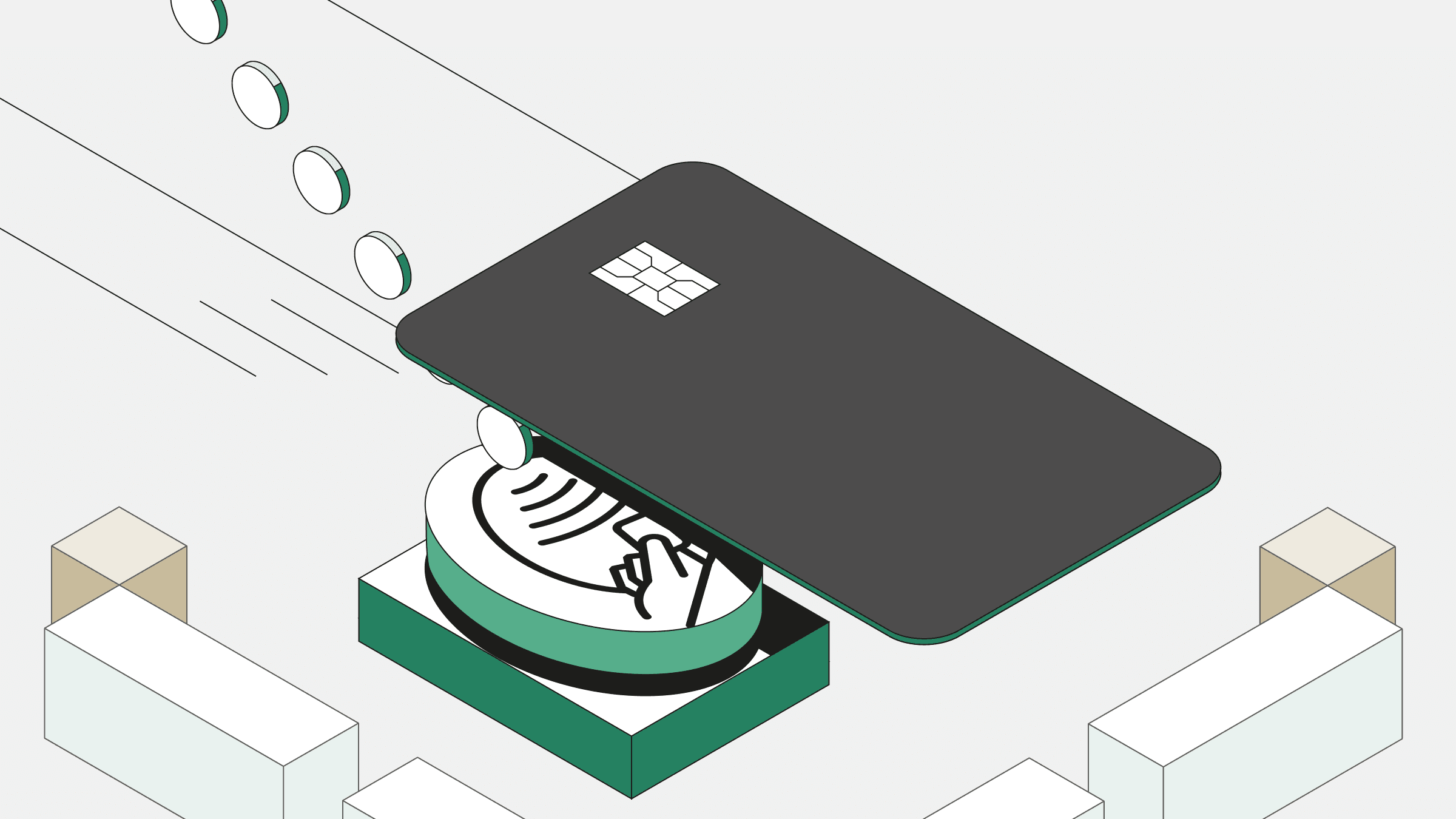
At purchase time, the card payment usually follows familiar steps like authorization, clearing, and settlement across card networks, even if crypto is involved behind the scenes.
When conversion happens, it may occur before authorization, at authorization, or after the purchase is approved, depending on the issuer’s design and your settings.
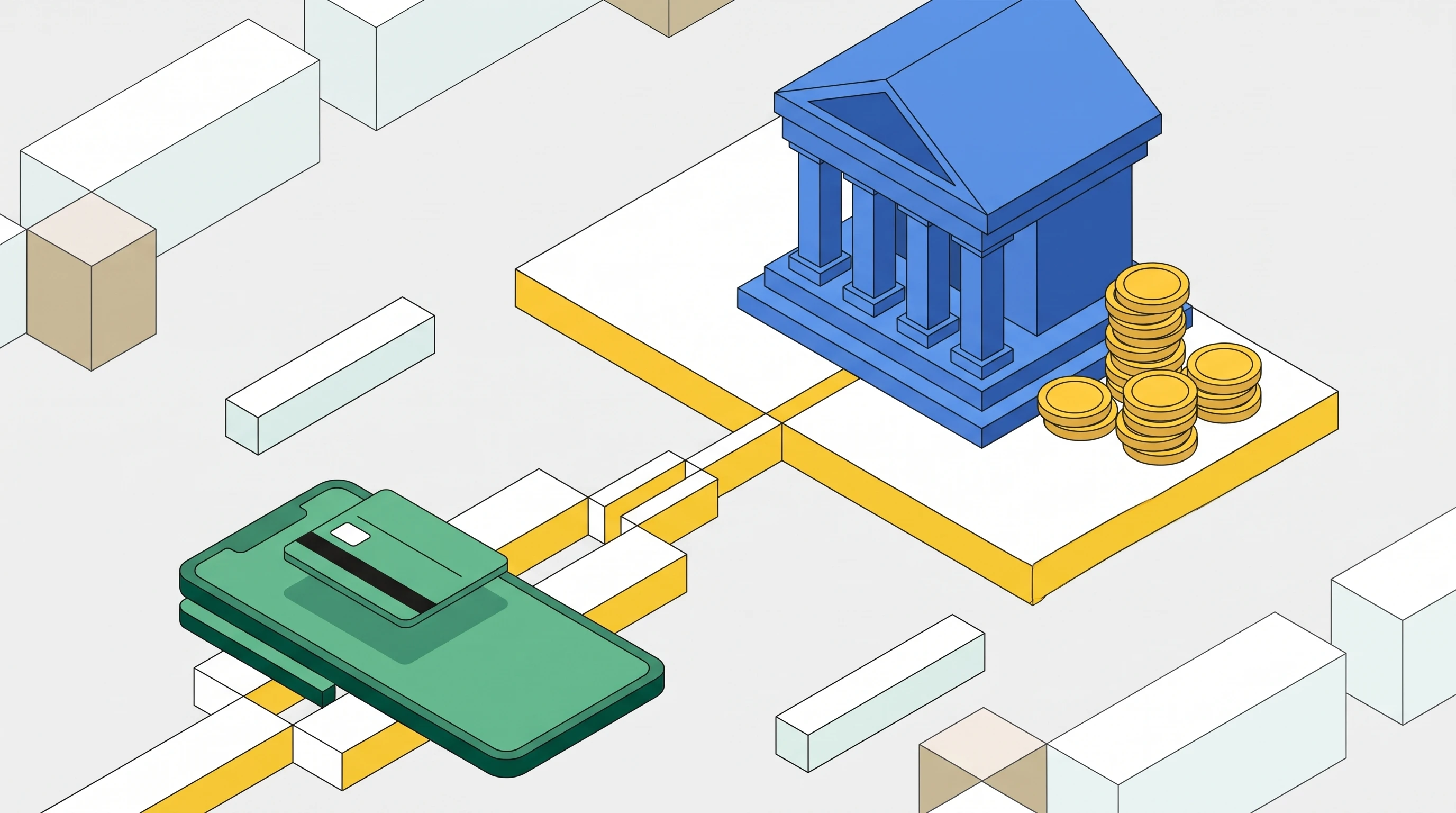
From a merchant’s perspective, the payment is typically received in local currency through standard card rails, while you may be spending crypto “behind the scenes” via a conversion step handled by the program.
A useful mental model is that “clearing” and “settlement” are the plumbing that moves value and finalizes the exchange between parties in a payment system.
Cashback, Points, and Token-Based Rewards Explained
Most programs pay rewards as cashback-like crypto, points you can redeem, or a specific token tied to the program.
Crypto cashback-style rewards are usually credited as a crypto asset (or a stablecoin such as USD₮) that you can often hold or exchange, depending on the provider’s rules.
Points-based rewards often behave like traditional card points, where you earn on purchases and redeem through a portal or set of options offered by the program.
Token-based rewards may be paid in a designated token, which can add benefits if the token has utility in the program, but also adds price risk if the token’s value moves.
Simple scenario: on a $100 grocery purchase, a user might receive a small amount of crypto rewards credited to their account, then choose to keep it as crypto, swap it for another asset, or convert it later, depending on the issuer’s features.
How Crypto Rewards Are Distributed and Stored
Rewards posting is issuer-dependent, so the timing can vary based on how transactions are processed and when the program credits rewards.
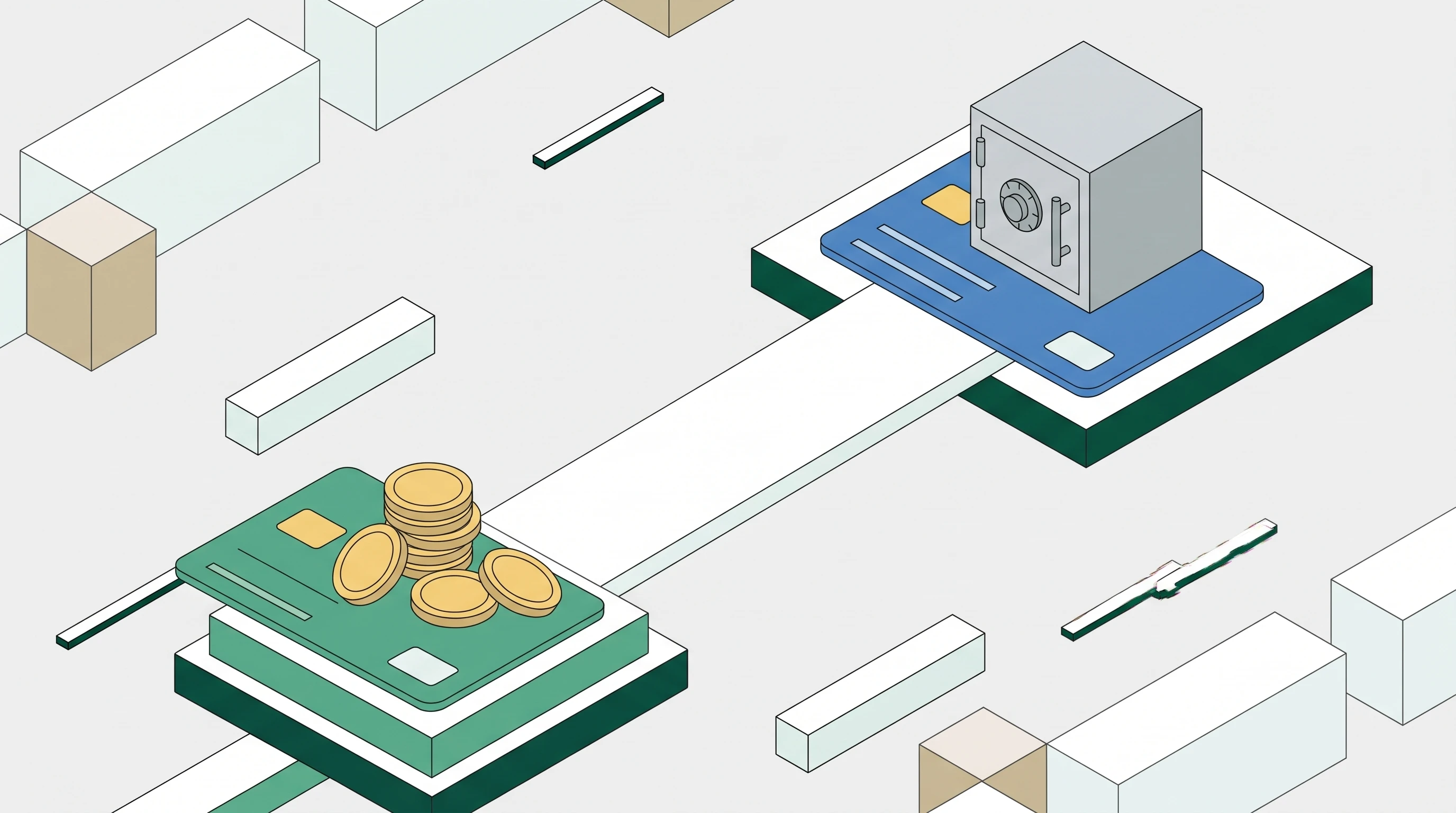
In many setups, rewards appear in a provider-managed app wallet or account, which is convenient for tracking and redemption but may involve custodial storage.
A custodial account is one where a third party holds the crypto keys or controls withdrawals on your behalf, even if you can see balances and transact through an app.
These mechanics matter because crypto rewards can behave like programmable value, and stablecoins can make rewards feel closer to “digital dollars” during everyday spending. Over time, clearer reward flows may support broader stablecoin payment experiences across apps and merchants.
How to Earn Rewards Using a Crypto Card
Choosing the Right Crypto Card for Your Goals
Flat vs Tiered Reward Systems
A flat system generally means you earn the same reward rate across eligible purchases, which can be simpler to predict.
A tiered system may offer higher rewards in certain categories or after meeting specific conditions, which can boost returns for targeted spending but adds complexity.
Tiered designs can work well if your spending is consistent in the favored categories and you are comfortable tracking the rules.
Staking Requirements and Token Utility
Some programs require holding or staking a token to access higher reward tiers, extra perks, or better redemption options.
If staking is involved, remember that token prices can be volatile, which can change the effective value of rewards you earn.
A helpful way to think about it is that staking can increase benefits, but it also increases exposure to a single asset’s price movements.
Supported Cryptocurrencies and Payout Options
Check which assets you can use for spending and which assets you can receive as reward payouts.
Some programs pay rewards in a fixed token, while others let you choose from a list of supported assets, including stablecoins like USD₮.
Also consider liquidity and conversion friction, because an “earned” reward is only as useful as your ability to hold it safely or exchange it on reasonable terms.
Everyday Spending Strategies to Maximize Rewards
Prioritize High-Frequency Purchases
High-frequency categories can be a steady base for rewards, since small reward accruals can add up over time.
Examples include groceries, fuel, commuting, and subscription bills, assuming the program treats those purchases as eligible.
If your card supports multiple funding assets, using a stablecoin balance for routine spend may simplify mental accounting compared with spending a volatile asset.
Take Advantage of Seasonal and Partner Promotions
Promotions can temporarily boost rewards, but terms vary, and the best deal depends on your actual spending.
If a promotion requires you to opt in, use a specific merchant, or meet certain conditions, track it like you would a coupon and re-check the fine print.
A good habit is to bookmark the program’s terms page and review changes periodically, since reward rules can evolve.
Minimize Fees and Conversion Costs
The fastest way to erode rewards is often hidden friction, such as conversion spread, network-related costs, or account fees.
Use this quick checklist when evaluating “real” reward value:
FX fees: Check for foreign transaction fees. Test a small non-USD purchase and compare the posted rate to the mid-market rate.
Crypto-to-fiat spread: Compare the conversion rate you got at purchase time to a spot-market price at the same moment.
Withdrawal fees: Review withdrawal/ATM fee terms. Do a small test withdrawal to see the all-in cost.
Inactivity fees (if applicable): Look for dormancy/maintenance fees. Set a reminder to use the card periodically or close it if unused.
Network fees (onchain transfers): Preview the fee before withdrawing rewards to a wallet. Batch transfers and avoid high-fee periods when you can.
Fees vary by issuer and region, so treat your first month as a test period and compare what you expected versus what you actually received.
Managing Your Rewards for Long-Term Gains
Holding vs Converting Rewards
Holding rewards increases your exposure to volatility, since the reward asset’s value can rise or fall after payout.
Converting rewards into a stablecoin can reduce volatility, but conversion may involve fees, and taxes can apply depending on your jurisdiction and how your local rules treat conversions.
If you are unsure, consider small, consistent actions, like converting on a schedule, instead of reacting to short-term price moves.
Tracking and Reporting Your Earnings
Tracking helps you understand your net benefit after fees and friction, and it also reduces confusion when you reconcile card activity with balances.
Many users keep a basic ledger of card transactions, reward postings, conversions, and transfers, especially if they move rewards onchain to a private wallet.
If crypto rewards become more standardized, they may begin to resemble programmable rebates that can settle quickly and integrate with stablecoin-based money movement across apps.
This is educational only, not tax advice, and rules vary widely. Consider speaking with a qualified professional for your jurisdiction.
Comparing Crypto Rewards to Traditional Card Rewards
Potential Upside and Market Volatility
Crypto rewards can increase or decrease in value after they are paid out, because the reward asset’s market price can move.
That is different from fixed-value cashback and many points systems, which aim to keep redemption value relatively stable within a program.
If you prefer predictability, you may prioritize rewards paid in stablecoin form, but you still need to understand issuer rules and custody.
Flexibility and Liquidity of Rewards
Traditional rewards often redeem through issuer portals, travel partners, or statement credits, and redemption paths can be limited.
Crypto rewards may be transferable or sellable, depending on whether you can withdraw them and whether the provider’s custody model allows external transfers.
If rewards are custodial, your ability to move them can depend on the provider’s policies and operational controls.
Security and Risk Considerations
Crypto rewards can introduce counterparty risk if balances sit with a custodial platform, because your access depends on that provider’s controls and continuity.
User-level threats can also be higher, since attackers may target accounts for withdrawals through phishing, malware, or SIM-swap tactics.
Consumer protections can differ by product type, issuer policies, and region, so do not assume a crypto card behaves the same as every traditional credit card in a dispute.
If you use a credit product, it can be helpful to understand the steps for disputing charges and seeking refunds.
As payment experiences blend card rails with crypto balances, demand may grow for reward designs that are easier to audit and that settle more transparently.
How to Safely Store and Manage Earned Crypto Rewards
Exchange Wallets vs Private Wallets
Provider or exchange wallets are convenient for fast access, trading, and tracking, but they are usually custodial.
A private wallet (self-custody) means you control the keys, and you can often move assets onchain without relying on a provider to approve withdrawals.
If you choose self-custody, you must protect your recovery information carefully, because there may be no “password resets” if your private keys are lost.
Private keys are secret codes that prove ownership and allow you to authorize crypto transactions, like a master password for your wallet.
Hardware Wallets and Custodial Options
A hardware wallet stores signing keys offline, reducing exposure to online malware and account takeovers.
It can be a strong choice if you plan to hold rewards long-term, or if your reward balance becomes meaningful relative to your overall finances.
Custodial options can still be reasonable for smaller balances or frequent spending, but treat them like an account that needs strong access controls and careful monitoring.
Security Tips to Protect Your Rewards
Most account takeovers start with credential theft or tricking you into approving a malicious action.
Use this checklist to reduce common risks:
Enable two-factor authentication (2FA)
Use strong, unique passwords and a password manager
Turn on address whitelisting (if available)
Avoid public Wi-Fi for sensitive actions
Verify URLs and bookmarks, and watch for lookalike domains
Keep devices updated, and avoid installing untrusted apps
2FA is one of the most effective basic defenses for account access. As more rewards and balances move between apps and wallets, security practices may become a core part of mainstream payment UX, especially as stablecoin transfers make value movement feel instant.
Making Crypto Rewards Work for You
Earning rewards works best when you combine smart spending, smart holding or staking decisions (if applicable), and smart storage.
Treat the “best” crypto rewards card as the one that fits your daily life, keeps fees understandable, and lets you store rewards in a way you trust.
As card rewards increasingly intersect with programmable money, users may expect reward payouts that are easier to move and verify, including through stablecoin-based settlement rails.
Over time, clearer standards for custody, identity, and settlement may make crypto rewards feel closer to everyday payments.
If you want to learn more about payment mechanics and practical crypto concepts, explore the Plasma Learn Center library. You can also find practical resources in the "Tools" section.
This article is for educational purposes. It is not legal, tax, or investment advice.