The global financial landscape is shifting toward instant, 24/7 settlement. Virtual accounts are one important operational bridge between traditional banking rails and some digital-asset workflows.
A virtual account is a sub-ledger record programmatically linked to a single physical bank account, acting as a notional representation of funds. It provides unique identifiers, like virtual IBANs, to automate the routing, reconciliation, and attribution of payments within a larger master pool.
This article explores the technical architecture of virtual accounts, their role in issuing non-bank IBANs, and how they power the seamless onramp and offramp workflows required for modern stablecoin payments.
Key Takeaways
Virtual accounts function as an internal mapping layer that allows fintechs to segregate user funds within a single physical master account without the overhead of opening thousands of traditional bank accounts.
Named virtual IBANs can sharply reduce manual reconciliation effort by giving each user a unique identifier, which may lower back-office labor costs.
Virtual accounts serve as the critical infrastructure for stablecoin rails, enabling automated minting and redemption flows that connect fiat systems like SEPA to onchain wallets in real time.
The Link Between Fiat Rails and Stablecoins
The primary challenge in digital finance is the "last-mile" connection between legacy banking and blockchain networks.
Virtual accounts satisfy this need by acting as an operational bridge layer that translates incoming fiat signals into onchain actions. Without this layer, moving money would remain slow.
Some stablecoin issuer workflows rely on virtual-account or sub-ledger systems behind the scenes.
This setup allows for the high-speed conversion of fiat into digital dollars or euros by using ledger events to trigger smart contracts, effectively merging two distinct financial universes.
What Is a Virtual Account?
Definition and Core Functionality
Essentially, a virtual account is not a standalone bank account but a sophisticated sub-ledger entry. It functions as a digital representation of funds held within a parent physical account, known as a Demand Deposit Account (DDA).
The core utility lies in the unique identifier, such as a vIBAN, assigned to each sub-ledger. When funds reach the master account, the system uses the identifier to automatically credit the correct user, removing the need for humans to manually match bank statements to internal customer records.
Virtual vs Traditional Bank Accounts
Ownership and Custody Models
In a traditional setup, the end-user is the legal owner of a dedicated IBAN held directly in their name at a bank. In a virtual model, the fintech or payment institution is the legal owner of the master settlement account, while users hold a ledger-based claim on a portion of those pooled funds.
This creates a pooled custodial model, often called an omnibus account. While the bank sees one large pool of capital, the fintech’s internal ledger provides the granular segregation necessary to protect individual user balances and ensure accurate accounting across the entire platform.
Settlement and Reconciliation Differences
Reference-based collection models can require manual reconciliation when remittance data is missing or truncated.
Virtual accounts improve attribution by using the account identifier itself as a primary matching key, which can greatly reduce unmatched incoming payments.
Furthermore, while traditional bank settlement can take days due to manual compliance checks and batch processing, virtual account ledgers update programmatically. This allows fintechs to acknowledge receipt of funds the moment the master account receives a notification from the clearing system.
How Fintechs Create Account Numbers Without Being a Bank
Sponsor Banking and BIN/IBAN Partnerships
Fintechs typically issue IBANs through a "Sponsor Banking" or Banking-as-a-Service (BaaS) model. A licensed financial institution extends its regulatory charter and payment network access to the fintech, allowing the non-bank entity to work as a program manager for account issuance and management.
In this partnership, the sponsor bank provides a block of IBANs and access to rails like SEPA or SWIFT. The fintech integrates via API to generate unique virtual IBANs for its users, handling the customer interface while the regulated bank remains the legal custodian of the underlying fiat currency.
Regulatory and Compliance Foundations
KYC and AML Requirements
Despite the "virtual" nature of these accounts, they are subject to rigorous regulatory oversight. The sponsor bank retains ultimate responsibility for Anti-Money Laundering (AML) and Bank Secrecy Act (BSA) compliance, even if the fintech performs the day-to-day customer due diligence.
Fintechs must implement bank-grade workflows to collect Customer Identification Program (CIP) data.
Regulators, including the FDIC and OCC, mandate that banks strictly oversee these third-party relationships, often requiring comprehensive audits and "lookbacks" to ensure every virtual account holder is verified.
Safeguarding Client Funds
To protect users, fintechs must adhere to safeguarding rules that keep client money separate from the firm's operational funds.
Virtual accounts facilitate this by providing a clear audit trail within the sub-ledger, proving exactly which portion of the master account belongs to each customer.
Understanding IBAN-Enabled Virtual Accounts
How IBAN Issuance Works
The issuance process is entirely automated and happens via API during user onboarding. When a user signs up, the fintech’s system requests a new vIBAN from the sponsor bank, which is then instantly mapped to that specific user’s ID within the platform’s internal database and virtual ledger.
This mapping creates a one-to-one relationship between the external bank number and the internal sub-account.
Every euro or dollar sent to that vIBAN is automatically routed to the master account, where the fintech’s software identifies the destination vIBAN and updates the user’s balance without human help.
Named vs Pooled IBAN Structures
Benefits for Cross-Border Payments
A named virtual IBAN is issued in the specific name of the end-customer, which is a major advantage for global commerce.
Named account structures may reduce some reconciliation and compliance frictions in cross-border payments, but the impact depends on the banks and jurisdictions involved.
By having an account in their own name, users also benefit from increased trust and transparency. Named IBANs provide a cleaner audit trail for tax and compliance purposes, making them the preferred choice for businesses and institutions.
Operational Considerations
While pooled accounts are easier to set up, they rely on users including a "Reference Number," which is a frequent point of failure.
Reference-based matching is fragile because data is often truncated or forgotten by the sender, leading to high support costs and frustrated customers who must wait for manual repairs.
Virtual Ledgers and Payment Reconciliation
Ledger Architecture Explained
The architecture follows a strict hierarchy with a physical Demand Deposit Account at the top. Below this master account sits a multi-level virtual sub-ledger that can hold thousands of individual records. Each record tracks deposits, withdrawals, and balances for a specific user or project.
This VAM (Virtual Account Management) system integrates directly with a company’s ERP or Treasury Management System.
This allows for real-time visibility into cash positions, enabling treasury teams to see exactly how much liquidity is available across the entire network of virtual sub-accounts at any moment.
Mapping Transactions to Users
Real-Time Balance Updates
Modern virtual account platforms use webhooks to notify the fintech the moment a payment hits the master account. This real-time notification allows the internal ledger to update the user’s balance in seconds, providing a level of responsiveness that traditional banking apps rarely achieve.
For stablecoin issuers, this speed is critical. In some issuer-integrated systems, once the fiat transfer is received and recognized, the ledger update can trigger token minting to the user’s wallet.
Auditability and Reporting
Because every transaction is tied to a specific virtual account identifier, the reporting process is highly granular. Fintechs can generate detailed statement files, such as CAMT.053 or MT940, which provide an itemized history of every sub-account’s activity for auditors and regulatory bodies.
Multi-Currency Virtual Account Setups
Supporting Global Payment Flows
Businesses operating internationally use multi-currency virtual accounts to collect and disburse funds globally. A single platform can issue vIBANs for EUR, GBP, and USD, allowing a company to treat global payments as if they are local transactions, reducing reliance on expensive cross-border rails.
FX Conversion and Liquidity Management
Local Collection vs International Settlement
By using virtual accounts, companies can collect local payments (e.g., SEPA in Europe) and hold them in sub-ledgers.
This avoids the immediate costs of currency conversion, allowing the treasury team to manage FX centrally and only convert funds when market conditions are favorable or when settlement is required.
Treasury and Cash Management Impacts
Virtual accounts solve a major pain point for CFOs: the lack of real-time visibility into global transactions.
Consolidating funds into a single master account while maintaining virtual segregation allows for better liquidity forecasting and reduces the complexity of managing dozens of separate physical bank relationships.
How Virtual Accounts Connect to Stablecoin Rails
Fiat On-Ramps and Off-Ramps
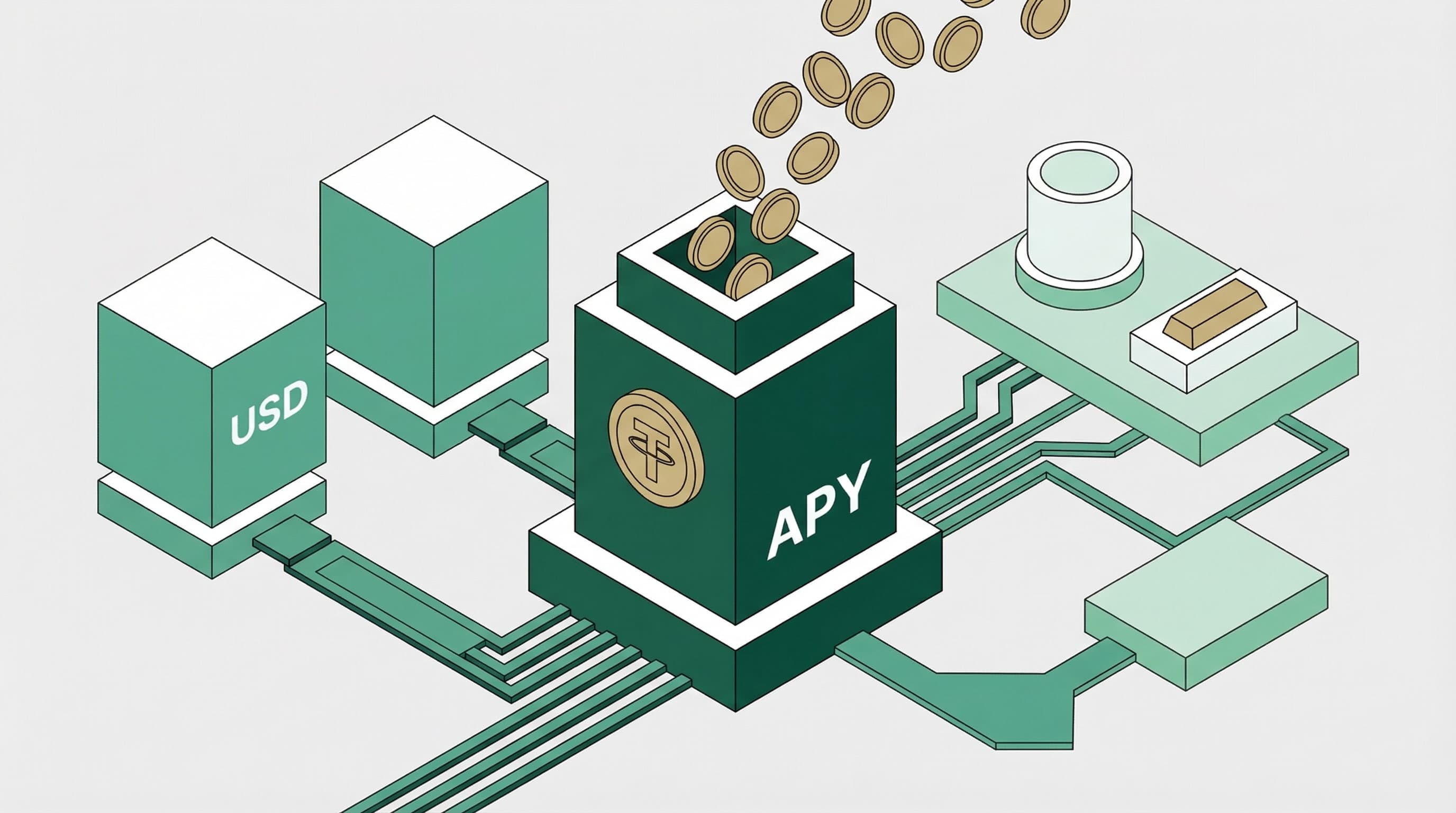
Virtual accounts are the engine behind "instant" stablecoin minting. When a user sends EUR to a named vIBAN, the system detects the deposit and instantly mints a stablecoin like EURe or USD₮ to the user’s connected wallet. This removes the friction typically associated with buying digital assets.
Wallet and Blockchain Integration
Minting and Redemption Flows
The offramping process works in reverse: when a user sends stablecoins to a "burn" address, the platform triggers a fiat payout.
The onchain event notifies the fintech’s API, which then instructs the sponsor bank to send fiat from the master account to the user’s external bank account via SEPA or wire.
Settlement Timing and Finality
While traditional rails like SWIFT see only 43% of payments credited to the end-customer within an hour, stablecoin settlement onchain is 24/7 and often achieves finality in minutes.
Virtual accounts bridge this gap by providing an automated interface that responds to these rapid blockchain-based triggers without human delay.
Operational and Strategic Benefits
Scalability for Fintech Platforms
Virtual accounts allow fintechs to scale to millions of users without the operational burden of opening millions of bank accounts. A single API integration enables the programmatic creation of accounts, making it possible to onboard new customers and issue payment details in a matter of seconds.
Cost and Efficiency Gains
Reconciliation can consume a large share of back-office labor, and virtual accounts can materially reduce that burden by automating more of the matching process.
User Experience Improvements
For the end-user, the experience is indistinguishable from using a top-tier neo-bank. Users get an IBAN in their own name and see their onchain balances update instantly, creating a seamless flow that makes stablecoin payments feel as simple and reliable as sending a standard bank transfer.
Key Risks and Infrastructure Considerations
Banking Partner Dependencies
The greatest risk is the reliance on a single sponsor bank. If the sponsor bank faces regulatory issues or technical downtime, the fintech’s entire virtual account program may stop, highlighting the need for multi-bank redundancy to ensure continuous service for stablecoin and payment users.
Regulatory Fragmentation
Rules differ across jurisdictions; in the U.S. the FDIC/OCC framework matters, while in Europe the EBA, national regulators, and payment-services law are more directly relevant.
Liquidity and Counterparty Risk
Since funds are pooled in a master account, users are exposed to the counterparty risk of the sponsor bank. Fintechs must be transparent about where funds are held and how they are protected, ensuring that the virtual ledger remains a verifiable record of user claims on those pooled assets.
The Future of Virtual Accounts in Stablecoin Payments
Virtual accounts have transformed from a niche treasury tool into an important part of the programmable money movement. By eliminating the manual friction of the legacy banking system, they provide the necessary infrastructure for stablecoins to reach mass adoption.
As more businesses seek 24/7 settlement and automated reconciliation, the synergy between virtual sub-ledgers and blockchain rails will deepen.
For different platforms, these accounts represent the gateway to a more efficient financial future. Integrated virtual account management ensures that the transition from fiat to onchain assets is not just possible, but frictionless.
As the technology matures, the distinction between a "bank account" and a "digital wallet" will continue to blur, driven by the invisible efficiency of the virtual account.