Executive Summary & Quick Verdict
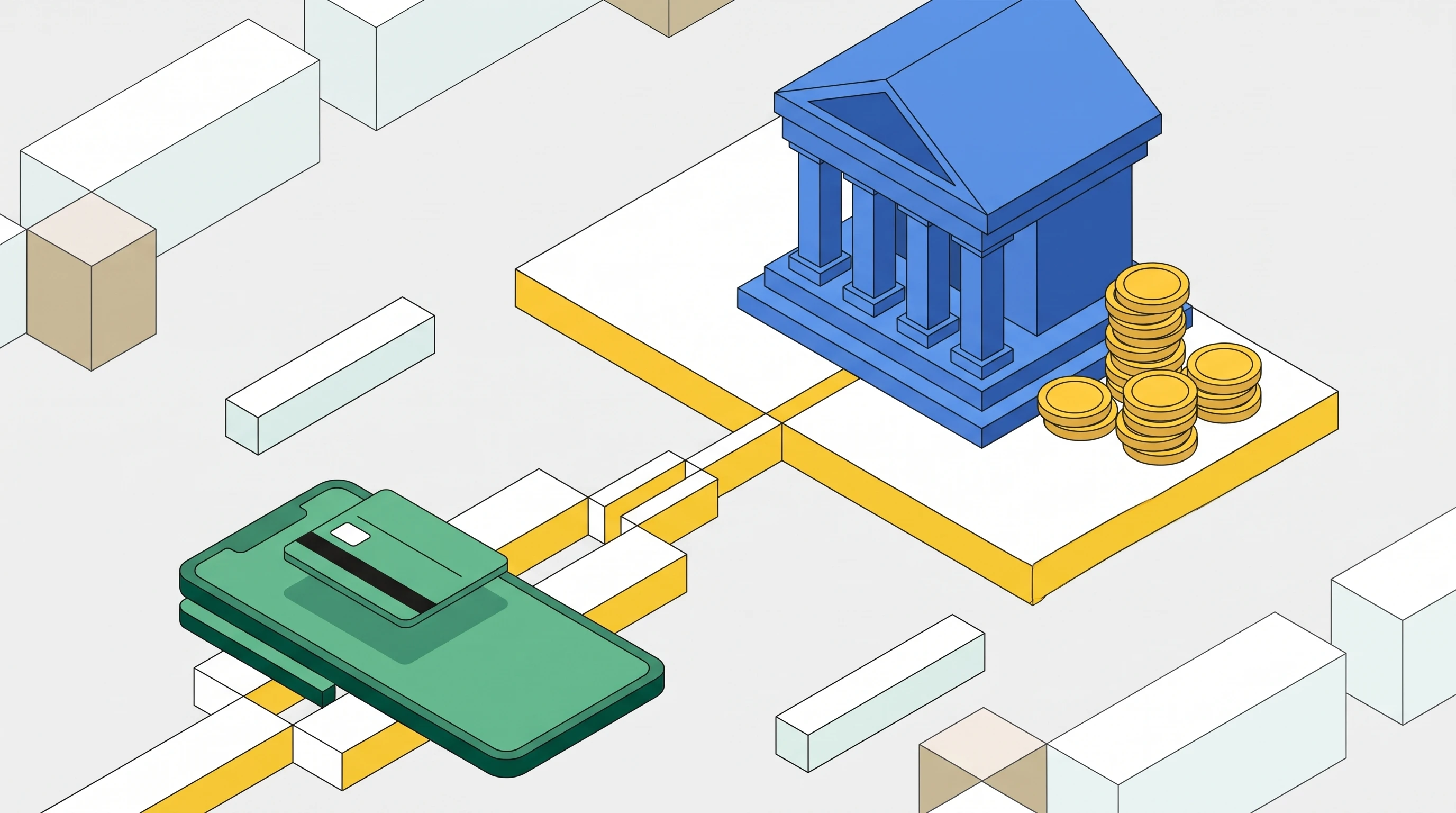
Winner: Oobit, for wallet-first everyday spending. It is available in 80+ countries, spends from connected non-custodial wallets and has no portfolio minimum.
Choose Oobit if paying from a connected non-custodial wallet without first moving funds into Oobit matters more than credit.
Choose Nexo Card if you live in a supported market and want Debit and Credit Modes, savings interest and low FX fees on EEA, UK and Swiss currencies.
The bottom line: Oobit prioritizes simple payments; Nexo adds savings and borrowing. Plasma One is a third option that offers non-custodial stablecoins, optional Earn and tiered cashback without a loan.
Oobit vs Nexo Card at a Glance
Feature | Oobit | Nexo Card |
Card Network | Visa | Mastercard |
Custody Model | DePay spends from a non-custodial external wallet; balances held in the Oobit app are custodial | Custodial Nexo account with Debit and Credit modes |
Yield / Return on Balance | No standard yield on idle card balances publicly disclosed | Up to 13% variable Flexible Savings; up to 15% fixed-term on select assets; requires a portfolio of at least $5,000; rates vary by asset, tier and region |
FX / Conversion Fees | 1% card-payment fee (minimum $0.25 in most markets); non-USD purchases may add a 1.5% conversion fee | When the purchase currency differs from the card currency (EUR, GBP or USD): EEA/UK/Swiss currencies 0.2% weekdays, 0.7% weekends; other currencies 2%/2.5% |
Crypto Conversion Fee | Separate crypto swaps cost 0.95% (3% when swapping into OOB); card payments use a displayed conversion quote | Not publicly disclosed; Debit Mode converts crypto to the card currency automatically at checkout |
Staking / Lock-In Required | No token lock for basic card use; promotional rewards depend on eligible spending assets | No token lock for basic virtual card; cashback requires $5,000-plus balance and loyalty tier; optional fixed savings lock |
Regional Availability | 80+ countries; Oobit says its app is available in all 50 US states; eligibility varies by region | Mainly selected European countries (EEA, UK, Andorra, Monaco); Nexo's Help Center also lists Argentina and other selected jurisdictions; identity verification required |
Fees, rates and limits as of November 2026. Terms vary by region and may change.
Oobit vs Nexo Card: Key Differences
1. Fees & Costs
Oobit has no card issuance or monthly fee, but charges 1% on card payments, generally with a $0.25 minimum. Non-USD purchases may add 1.5%.
Separate crypto swaps cost 0.95% and ATM withdrawals 2.5%, plus operator charges.
Nexo charges no monthly, annual or inactivity card fee; any issuance or delivery fee is shown in the app before ordering. The virtual card requires at least $50 in account assets, and a physical card at least $5,000 and Gold or Platinum status.
Nexo charges 0.2% FX on eligible EEA, UK and Swiss currencies on weekdays, versus 2% on other currencies. Weekends add an extra 0.5% (bringing rates to 0.7% and 2.5%); ATM allowances depend on loyalty tier.
Nexo can cost less in Europe; Oobit has simpler account requirements.
2. Yield, Cashback & Rewards
Oobit advertises up to 10% cashback: 5% when paying with USDC or USD₮ and 10% in OOB token rewards. Rewards can only be spent on in-app Tap to Pay payments and cannot be withdrawn.
Oobit caps rewards on most tokens to $200 of spending per month; OOB has a higher cap.
Nexo offers up to 2% cashback in Credit Mode, requiring a portfolio over $5,000. Platinum pays 2% in NEXO or 0.5% in BTC. Card cashback is not available to UK residents.
As of November 2026, Nexo advertises up to 13% variable interest on eligible unspent savings balances. Rates and availability vary by asset, tier and region.
Nexo is stronger for eligible savers; Oobit rewards smaller purchases without portfolio thresholds.
3. Custody, Security & Control
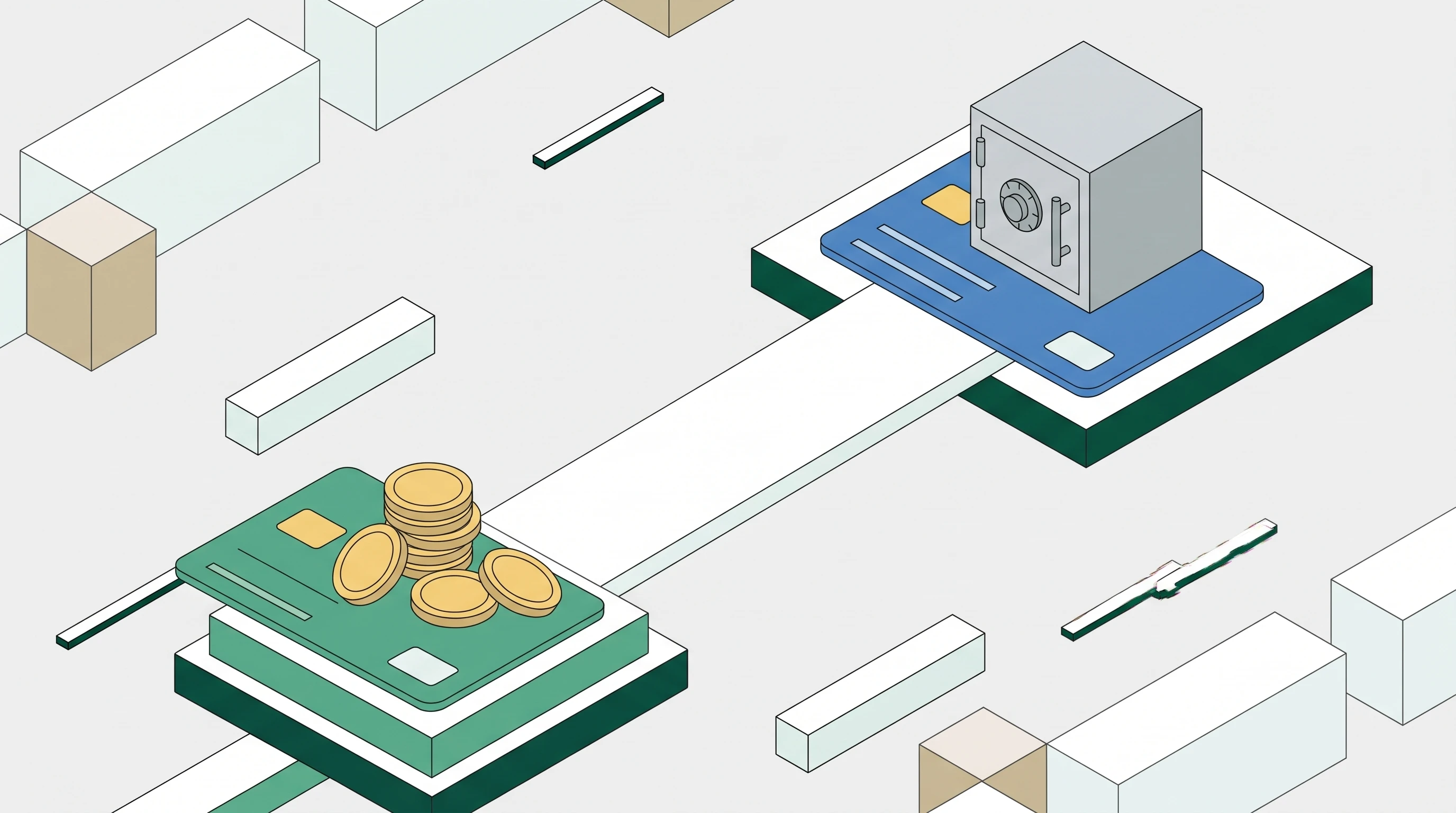
Oobit supports payments from connected non-custodial wallets, including compatible external wallets. Assets remain user-controlled until payment.
Balances held in the Oobit app are custodial: Oobit holds them for the user's benefit.
Nexo uses managed custody and partner services for account assets. Debit Mode spends balances; Credit Mode pledges collateral.
4. Usability & Regional Availability
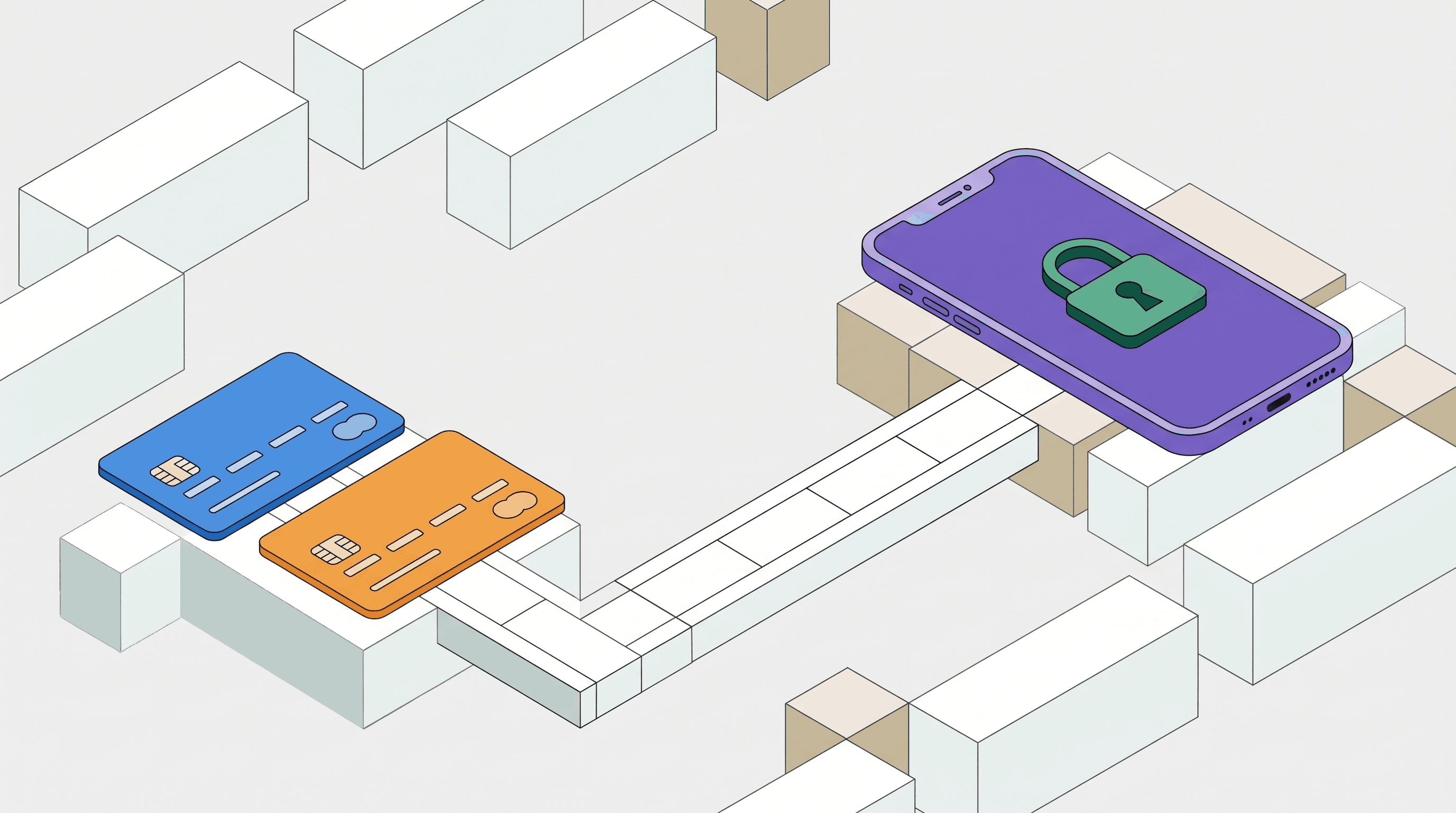
Oobit converts supported assets into card payments at checkout. Its virtual Visa supports mobile wallets without prepaid loading.
Supported assets include BTC, ETH, SOL, USDC and USD₮, with local payments and bank payouts.
Nexo combines two card modes with a larger digital-asset platform. Its Mastercard offers virtual or physical cards, mobile wallets, savings and borrowing.
Nexo Card availability is concentrated in selected European countries, with identity checks and separate eligibility for physical cards. Worldwide acceptance does not establish eligibility.
Pros & Cons Comparison
Oobit
Pros:
Connected-wallet payments need no prior transfer to Oobit.
Virtual Visa supports Apple Pay and Google Pay.
Up to 5% stablecoin or 10% OOB cashback on capped monthly spend.
Cons:
Published terms charge 1% per payment ($0.25 minimum), plus up to 1.5% on non-USD purchases.
Rewards can only be spent on in-app Tap to Pay payments and cannot be withdrawn.
Card issuance excludes residents of listed countries.
Nexo Card
Pros:
Nexo says users can switch between debit and crypto-backed credit.
Virtual and physical Mastercard options are available.
No monthly, annual or inactivity fee; free ATM allowances vary by tier.
Cons:
Credit Mode carries borrowing costs and possible collateral liquidation.
Cashback requires Credit Mode and a qualifying account balance.
Custodial assets offer less direct control than Oobit’s connected-wallet option.
Where Both Cards Fall Short
Both depend on card issuers and settlement partners. Both impose verification, merchant limits and transaction controls.
Neither headline cashback rate applies without conditions. Oobit's promotions have eligible-asset and spending caps; Nexo's highest rewards depend on loyalty status, portfolio size and Credit Mode.
Both can involve currency conversion costs. Acceptance does not guarantee low fees or local eligibility.
The Dilemma: Oobit makes wallet-funded payments more accessible but charges per purchase and offers no comparable savings yield. Nexo offers more ways to earn or borrow, but adds custody, tier and collateral considerations.
Why Choose Plasma One Over Oobit and Nexo Card?
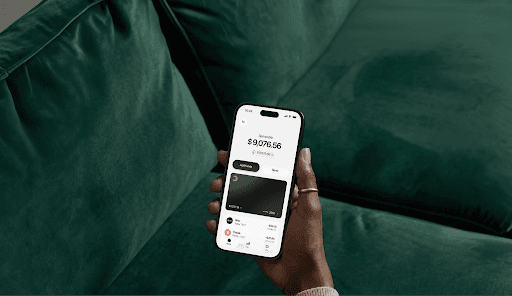
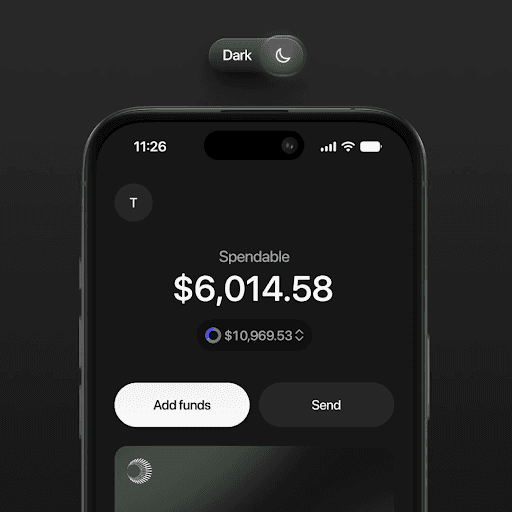
Plasma One combines non-custodial stablecoins, Visa payments and optional Earn without a card loan.
1. Non-Custodial Stablecoin Spending Without a Credit Line
Plasma One does not custody the stablecoins in a user's account. Unlike Nexo, it does not require provider custody or card borrowing.
Oobit also supports connected non-custodial wallets, so Plasma does not have a monopoly on wallet control. Plasma focuses on stablecoin spending, without a loan mode.
2. Tiered XPL Cashback Bands on Every Membership
Plasma One Standard earns 1% XPL cashback on the first $500 of eligible monthly spending. Premium starts at 2% on $1,000 and Platinum at 3% on $3,000, before rates step down.
Oobit caps cashback spending by token; Nexo requires a qualifying portfolio and loyalty holdings.
Plasma Standard has no XPL lock, and its price depends on region (shown in the app). Premium costs $600 a year or a 20,000 XPL lock, and Platinum $2,500 a year or a 100,000 XPL lock. XPL rewards can fluctuate in value.
3. Optional Stablecoin Earn With Bank Transfers
Plasma One offers variable yield through opt-in Earn, using third-party DeFi protocols. Funds must move back to Cash before spending; returns are not guaranteed.
Nexo offers a higher headline savings rate for some eligible assets and users. Plasma separates Cash and Earn and offers in-app bank on/off-ramps without loans.
Three-Way Head-to-Head Matrix
Feature | Oobit | Nexo Card | Plasma One |
Card network | Visa | Mastercard | Visa |
Custody | DePay external wallet is non-custodial; in-app balances are custodial | Custodial Nexo account with Debit and Credit modes | Non-custodial (you own and custody your stablecoins) |
Yield / Return on Balance | No standard yield on idle card balances publicly disclosed | Up to 13% variable Flexible Savings; up to 15% fixed-term on select assets; requires a portfolio of at least $5,000; rates vary by asset, tier and region | Variable yield via opt-in Earn |
FX / conversion | 1% card payment (minimum $0.25 in most markets); non-USD payments may add a 1.5% conversion fee | When the purchase currency differs from the card currency (EUR, GBP or USD): EEA/UK/Swiss currencies 0.2% weekdays, 0.7% weekends; other currencies 2%/2.5% | Standard: 1% Plasma markup plus Visa FX fee (~1%); Premium: 0% FX on the first $3,000 of card spend per month; Platinum: 0% FX fee, Visa exchange rate applies |
Tiers / lock-in | No token lock for basic card use; cashback depends on eligible payment assets | No token lock for basic virtual card; cashback requires $5,000-plus balance and loyalty tier; optional fixed savings lock | Standard: no XPL lock, regional pricing; Premium $600/yr or 20,000 XPL locked for 12 months; Platinum $2,500/yr or 100,000 XPL locked for 12 months |
Regional Availability | 80+ countries; Oobit says its app is available in all 50 US states; eligibility varies by region | Mainly selected European countries (EEA, UK, Andorra, Monaco); Nexo's Help Center also lists Argentina and other selected jurisdictions; identity verification required | Most countries; 7 unsupported and ID-document restrictions in others. 31 US states |
Funding / ramps | External-wallet DePay, crypto transfers and bank payouts; fees vary by destination | USD, EUR, and GBP bank transfers; crypto deposits/withdrawals; in-app exchange, with applicable fees | In-app bank on/off-ramps (USD, EUR, GBP, MXN, BRL, COP); tiered fees apply |
Fees, rates and limits as of November 2026. Terms vary by region and may change.
Final Verdict: Which Should You Pick?
Oobit wins for wallet-first everyday spending across more countries. Its virtual card has no issuance or monthly fee, and connected-wallet payments avoid pre-funding. Oobit describes it as a credit card backed by your digital assets but offers no credit line, loans or interest.
Choose Oobit for direct spending from supported crypto wallets and accessible promotional cashback, while accounting for payment, FX and swap fees.
Choose Nexo Card if you are eligible and value Debit and Credit Modes, savings interest and lower European FX charges. Top rewards require a qualifying portfolio; borrowing carries risks.
Choose Plasma One for non-custodial stablecoin balances, defined XPL cashback bands and optional Earn in an account focused on payments rather than crypto-backed credit.
How to Get Started With Plasma One
Download Plasma One: Install the app, check eligibility in your country and complete identity verification to access the card.
Deposit Stablecoins: Add eligible stablecoins to your non-custodial account and optionally move a portion into Earn.
Start Spending: Activate your Visa card, add it to Apple Pay or Google Pay where supported and pay wherever Visa is accepted, subject to local terms.