Stablecoins are now a central part of digital finance. Today, they represent trillions in onchain transfer volume each month, rivaling and in some cases even surpassing card networks and traditional bank rails. But the history of stablecoins begins much earlier.
At their core, stablecoins are digital tokens designed to maintain a steady value, usually tied to a fiat currency like the US dollar or euro. They combine blockchain technology with price stability, creating digital dollars that are practical for payments.
The path from early decentralized experiments to today’s massive stablecoin scale began decades ago. Each generation of stablecoins improved on the last, while also revealing limitations to be addressed. Plasma represents the next stage in this evolution.
Early Foundations: Before Tether
Efforts to build digital money predate stablecoins by decades. Projects like e-gold and Liberty Reserve created online dollar equivalents in the 1990s and 2000s. Both reached millions of users before being shut down for regulatory and security failures.
Bitcoin’s launch in 2009 showed that decentralized digital currency was possible. But Bitcoin’s volatility made it unsuitable for day-to-day payments. What was needed was money that could combine blockchain’s efficiency with price stability.
2014–2017: Fiat-Backed Beginnings
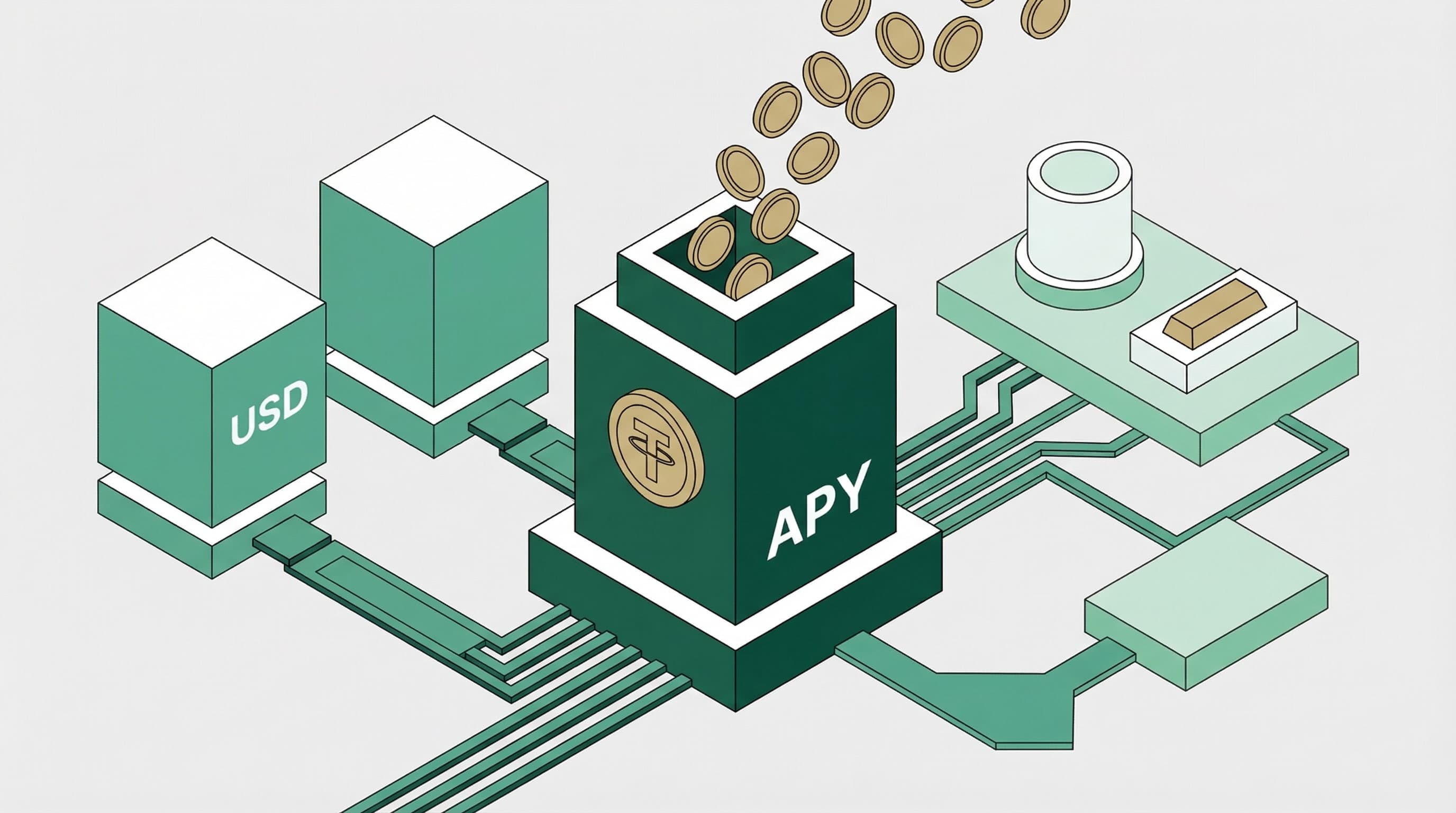
Tether (USD₮) was born in 2014, introducing the first widely used fiat-backed stablecoin. Each token was designed to be backed 1:1 by reserves, giving traders a way to hedge volatility without leaving crypto markets. Exchanges quickly adopted USD₮ as a base trading pair.
Tether’s growth proved the demand for digital dollars, but it also raised questions. Transparency of reserves became a major topic of debate, and pricing mechanisms were often tested during periods of stress. These concerns ultimately provided a roadmap for what responsible stablecoin projects should prioritize: clearer audits, reliable redemption processes, and governance frameworks that build long-term trust.
2017–2019: Experiments in Decentralization
To reduce reliance on centralized stablecoin custodians, developers experimented with various decentralized alternatives. One of the most popular stablecoin projects at the time was MakerDAO, which was launched by DAI and backed by ETH and other crypto collateral. Their token’s stability was maintained with over-collateralization and automated governance.
These designs were a breakthrough in showing that a stablecoin could function without a bank holding reserves. However, they also revealed serious limits. Volatile collateral meant tokens had to be backed at ratios well above 100%, making the model capital-inefficient.
As demand for stablecoins grew, it became clear that these fully decentralized models were incapable of scaling globally. While they offered an important proof of concept, their reliance on volatile assets and complex governance created multiple barriers to adoption for institutions and everyday users.
2019–2022: DeFi Boom and Systemic Shocks
Stablecoins were gradually embedded across multiple exchanges, wallets, and payment applications, and the rise of decentralized finance (DeFi) took stablecoins to a whole new level. By 2021, they powered lending, liquidity pools, and derivatives across thousands of applications. Supply peaked above $180 billion, reflecting their growing role as the backbone of onchain finance.
But this period also revealed the dangers of over-reliance on fragile mechanisms. The collapse of TerraUSD (UST) in 2022 wiped out $40B in value, shaking confidence in algorithmic stablecoins and triggering wider market contagion.
As a result, purely algorithmic stablecoins have fallen out of favor. The crypto industry has largely pivoted toward fiat-backed stablecoins with transparent, well-audited reserves and responsible governance.
2023–2024: Growing Regulation and Mainstream Adoption
Stablecoin development continued quietly for several years, as the broader crypto market followed its historical boom and bust cycle. And by the time retail interest began flowing back into crypto, stablecoins had become too large to ignore.
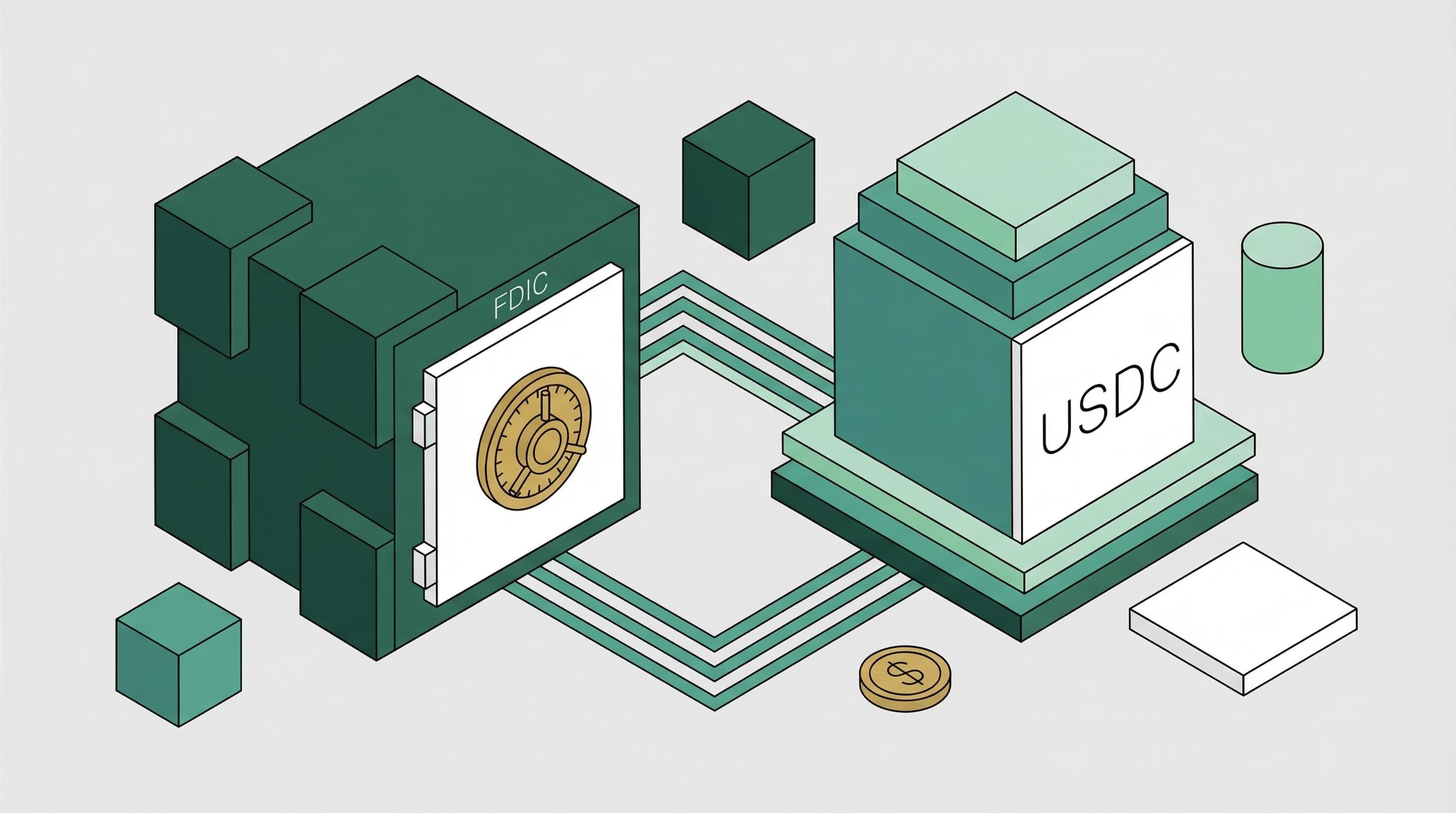
With stablecoins gaining recognition through real-world adoption as crypto’s least flashy, most practical use case, policymakers across the EU, US, UK, and Asia proposed new rules for reserve management, issuance, and consumer protection. During this period, the EU’s MiCA framework became the first comprehensive global standard for stablecoins and other onchain assets.
At the same time, mainstream payment firms began integrating stablecoins. Visa, PayPal, and fintech platforms started experimenting with stablecoin settlement. By 2024, annual onchain volumes exceeded $10 trillion, placing stablecoins alongside card networks in scale.
Yet challenges persisted. Most stablecoins still relied on general-purpose blockchains not designed for high-volume payments. Fees spiked during congestion, and confirmation times varied. For stablecoins to serve modern finance, new infrastructure was required.
2025 and Beyond: The Rise of Purpose-Built Infrastructure
General-purpose blockchains enabled early adoption, but they were built to handle trading, gaming, and diverse applications, not mass payments. That is why the top-performing stablecoins will run on purpose-built rails.
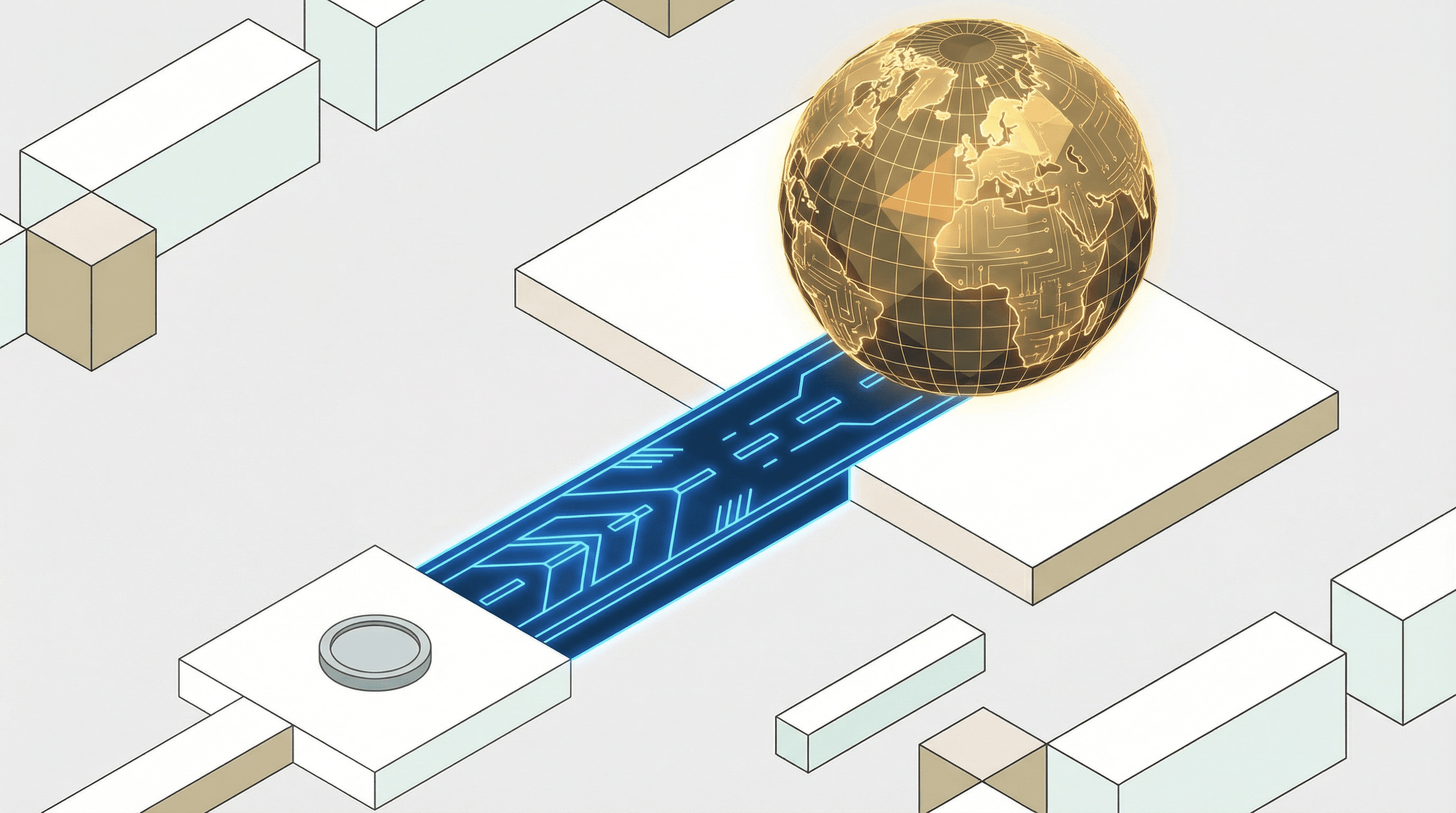
Plasma represents the next evolution. As a stablecoin-first Layer 1, it provides sub-second finality, negligible fees, and compliance-ready architecture. By replacing patchwork systems with a unified ledger built for payments, Plasma addresses the last barrier to mass stablecoin adoption.
Just as Tether introduced stability, decentralized projects introduced experimentation, and regulatory frameworks introduced maturity, Plasma introduces infrastructure built for global adoption. This is the foundation needed for stablecoin solutions capable of powering the entirety of modern, global finance.
Year | Milestone | Impact |
2014 | Launch of Tether (USD₮) | First fiat-backed stablecoin |
2017 | Launch of DAI | Showed possibility of onchain governance |
2019 | $250B+ annual volume | Stablecoins gain mainstream adoption |
2020–2021 | DeFi boom | Stablecoins essential for lending & liquidity |
2022 | TerraUSD collapse | Highlighted risks of algorithmic models |
2023 | Global regulation efforts begin | MiCA and other frameworks emerge |
2024 | $10T+ annual settlement volume | Stablecoins rival card networks |
2025 | Plasma launches | Purpose-built rails for scale and compliance |
Plasma Embodies the Next Era of Stablecoin Evolution
The history of stablecoins is one of constant evolution. Each generation solved problems but introduced new ones. Tether proved the concept, decentralized projects tested resilience, and regulatory scrutiny brought maturity.
What comes next is not another token design, but new rails. Plasma provides those rails. With performance and compliance at its core, it ensures stablecoins can finally scale into the trusted infrastructure capable of meeting the high-volume, around-the-clock demands of institutions and users globally.