There are many different kinds of stablecoins on the market, from those pegged to commodities to those tied to a basket of assets. The most successful type of stablecoin to date has been the fiat-backed stablecoin.
A fiat-backed stablecoin is a stablecoin pegged to a fiat currency, backed with fiat or cash equivalent liquid assets. Not all stablecoins pegged to fiat currency are backed by fiat reserves, but historically, the most stable and best performing stablecoins are.
In this article, we take a look at what fiat-backed stablecoins are, what they are used for, and how recent changes in the US political scene could fuel the next wave of stablecoin growth.
How Fiat‑Backed Stablecoins Work
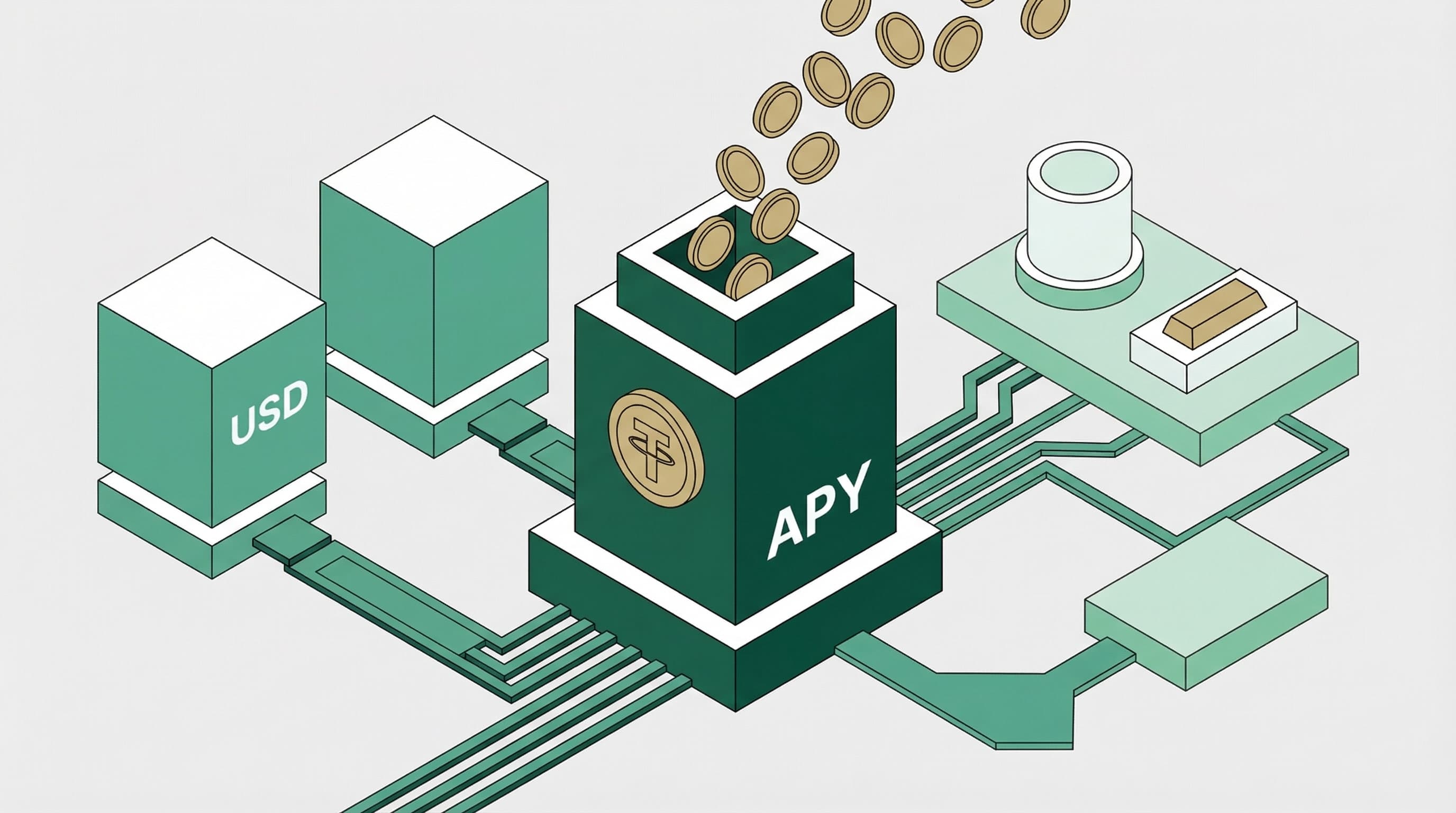
Fiat-backed stablecoins are stablecoins that maintain a 1:1 peg with a fiat asset such as the US dollar. They are backed by cash reserves or cash equivalents including US Treasury bills and other liquid assets.
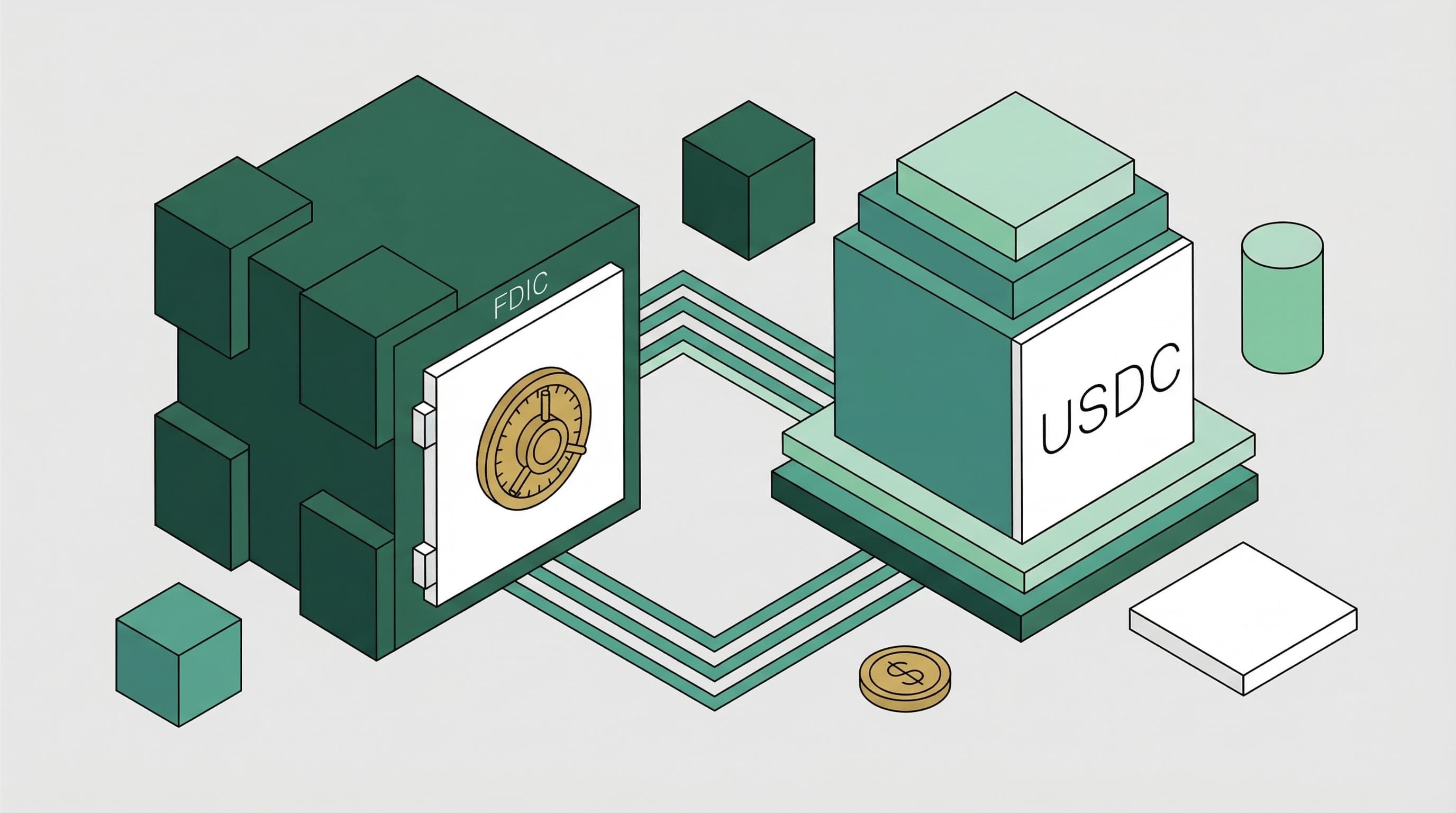
Tether’s USD₮ and Circle’s USDC, which are the two most popular stablecoins in the world, and both pegged to the US dollar, fall into this category.
Both Tether and Circle submit their reserves to regular audits to maintain public confidence in their 1:1 asset status.
Fiat-backed stablecoins are proven to be much more reliable than other types of fiat-pegged stablecoins such as algorithmic stablecoins, which have often ended badly.
Reserve Maintenance
Fiat-backed stablecoins maintain their price stability thanks to their asset reserves. For each stablecoin issued, the reserve must hold an equivalent sum of cash or other liquid assets.
The top issuers of fiat-backed stablecoins such as Tether and Circle produce regular reports to establish the status of their reserve.
Issuance and Redemption Process
In exchange for fiat currency, a stablecoin issuer will send the equivalent amount of stablecoins (minus fees) to your designated cryptocurrency wallet.
The stablecoins can then be used for payments or can instead be redeemed for fiat currency in the future.
Note: Before purchasing stablecoins from any issuer, it is very likely you will be asked to pass Know Your Customer (KYC) requirements. This will include providing personal details and supplying identifying documentation to the stablecoin issuer.
Auditing and Transparency
Major stablecoin issuers submit their reserves to regular audits. The auditing process is important for maintaining user trust.
Examples of Fiat‑Backed Stablecoins
USD₮ (Tether)
Launched in 2014, Tether USD₮ is one of the earliest stablecoins on the market, and by far the most successful. The total market capitalization of USD₮ as of November 20th, 2025 is approximately $183 billion.
In 2015, the Bitcoin trading platform Bitfinex listed USD₮ on the exchange, helping to power the stablecoin’s growth.
USD₮ remains more than twice as popular than its nearest rival in the space.
USDC (USD Coin)
Circle’s USDC (USD Coin) is a relative latecomer to the stablecoin market, launched in 2018 in collaboration with Coinbase. Like USD₮, USDC is backed by a reserve of assets.
USDC’s fiat-backed model has proved popular. USDC is now the second-largest stablecoin on the market with a market capitalization as of November 20th, 2025 of $74.4 billion, maintaining a price of about $1.
Other Notable Examples
While Tether and USD₮ are sometimes used interchangeably, they are not the same thing. In fact, USD₮ is just one of many stablecoins issued by Tether.
Other examples of fiat-backed stablecoins produced by the company are Tether Euro (EURT) and Tether GBP (GBPT).
Benefits of Fiat‑Backed Stablecoins
Price Stability and Inflation Hedge
Fiat-backed stablecoins are generally excellent at maintaining their price peg.
The stability of fiat-backed stablecoins make them a useful hedge against the price inflation of other asset types. During times of price volatility in the cryptocurrency market, fiat-backed stablecoins provide a safe haven asset.
Global Payments and Remittances
Fiat-backed stablecoins are used globally as a means of exchange, helping to facilitate cross-border payments with very low fees.
Where the traditional banking industry can charge fees of around 10% for cross-border payments, stablecoin issuers are global-minded, making no such distinction between domestic and international markets.
Lower Transaction Costs and Blockchain Efficiency
The cost of transactions for fiat-backed stablecoins is incredibly low.
DeFi and Trading Utility
Stablecoins are a cornerstone of decentralized finance (DeFi), providing liquidity in protocols and decentralized exchanges.
Transparency and Auditing
Transactions on the blockchain are preserved for all time on a public ledger which is transparent and easily audited. Anyone with a block explorer can check every past transaction.
Financial Inclusion
Stablecoins can support financial inclusion by lowering barriers to entry. Anyone who can set up a cryptocurrency wallet can acquire stablecoins either directly from an issuer, or from an exchange, be it centralized or decentralized.
Risks and Challenges of Fiat‑Backed Stablecoins
Centralization and Counterparty Risk
Fiat-backed stablecoins have grown rapidly and this part of the stablecoin market continues to expand, but there are some risks that investors should be aware of.
Fiat-backed stablecoins such as USD₮ and USDC are managed by centralized entities such as Tether and Circle respectively. Centralized management introduces a single point of potential failure.
Moreover, Tether and Circle rely on traditional banks, or counterparties, to hold their cash and cash equivalent assets.
In March 2023, the failure of Silicon Valley Bank, which held 8% or $3.3 billion of Circle’s cash reserve, led to USDC losing its peg for four days. Ultimately Circle weathered the storm and USDC recovered its peg.
Fiat-backed stablecoins are closely tied into the traditional banking system.
Regulation and Compliance Requirements
Historically, the cryptocurrency industry has not enjoyed a great relationship with regulators. This is beginning to change however.
The US elections of 2024 were a significant moment for the industry as new crypto-friendly legislators swept into power.
This led to the passing of The Genius Act in July 2025. The Genius Act outlines the compliance standards required for stablecoins in the US.
One criterion is that stablecoins should have a 1:1 reserve backing with liquid assets like US dollars or short-term treasuries.
Stablecoin issuers have three years to comply with the act. However, USD₮ and USDC already closely align with its principal requirements.
Reserve Management and Solvency Concerns
The management of fiat-backed stablecoin reserves is a point of some debate and controversy.
Historically, cryptocurrencies including stablecoins were eyed with suspicion by traditional financial institutions. This brought the status and solvency of stablecoin reserves into question.
Over time these banking relationships have improved, as has reporting by stablecoin issuers. Tether now issues a quarterly report on the make-up of its reserves while Circle does so monthly.
Systemic or Technical Failures
Since 2014, fiat-backed stablecoins have held up through several market cycles, with Tether rising to become the market leader over the past decade.
But risks can never be eliminated entirely, as demonstrated by the collapse of Silicon Valley Bank in 2023.
Not all stablecoins have become great success stories. Many such as Nubits and BitShares have failed.
In the past, some stablecoins have lost their peg entirely, as was the case with TerraUSD (UST) in 2022. It is important to remember however, that UST was an algorithmic stablecoin and not backed by fiat.
Transparency Issues
Stablecoin issuers have improved their transparency and reporting over time, with Tether and Circle both issuing regularly audited reserve reports.
The Genius Act will standardize reserve reporting in the US. The act stipulates that all stablecoin issuers should make monthly, public disclosures of the composition of reserves within three years.
How to Buy Fiat‑Backed Stablecoins
Directly from Issuers
You can acquire fiat-backed stablecoins in a variety of ways. One method is to go directly to the source.
To purchase USD₮ directly from Tether you sign up on their website. You will need to provide your personal details as part of the Know Your Customer (KYC) process.
Tether also charges a $150 verification fee which is non-refundable. The verification process can take between a few days to several weeks to complete.
Note: It is not possible to buy stablecoins directly from issuers in some jurisdictions such as the European Union.
Through Centralized Exchanges
If the prospect of purchasing stablecoins directly from the issuer seems daunting, it’s perfectly possible to acquire stablecoins through popular centralized exchanges including Kraken, Coinbase and Binance.
Exchanges have their own mandatory KYC processes which demand certain personal identifying information be shared with the exchange.
This includes full name, date of birth, Social Security Number (SSN) or Taxpayer Identification Number (TIN), home address and photo ID.
Once signed up to an exchange, it’s possible to purchase a range of stablecoins including fiat-backed stablecoins.
Via Decentralized Exchanges (DEXs)
For anyone who doesn’t want to use a centralized exchange, decentralized options are also available.
Popular decentralized options include Uniswap, PancakeSwap, and 1inch.
Unlike centralized options, DEXs do not require any KYC process before use, but you will need a cryptocurrency wallet in order to interact with these protocols.
Popular wallet providers include MetaMask, Phantom, and Rabby.
Peer‑to‑Peer (P2P) Marketplaces
Finally, if none of the above appeals, there are also peer-to-peer marketplaces such as Paxful and Localcoinswap, empowering trades between fellow cryptocurrency users.
The Future of Fiat‑Backed Stablecoins
The outlook for fiat-backed stablecoins is strong, with the two largest dollar-pegged stablecoins, USD₮ and USDC, both using this model.
Fiat-backed stablecoins are continuing to grow in importance, in both decentralized and traditional financial markets as a hedge against inflation and as fast, efficient, and frictionless means of global exchange.
In the US, the world’s largest cryptocurrency market by far, recent legislation in the form of The Genius Act appears to favour fiat-backed stablecoins over other models.
In the European Union, the Markets in Crypto-Assets Regulation (MiCA) bill outright bans algorithmic stablecoins, and similar to the US Genius Act requires stablecoins to hold 1:1 liquid reserves.
These developments make it likely that fiat-backed stablecoins will see even wider adoption.
Central Bank Digital Currencies
At a surface level, Central Bank Digital Currencies (CBDCs) seem to have a lot in common with fiat-backed stablecoins.
There are significant differences however. Fiat-backed stablecoins are issued by private firms, whereas a CBDC is clearly issued by the central bank or financial governing authority of that region.
CBDCs are controversial, with critics claiming they pose a privacy and security risk.
In China, cryptocurrency is tightly restricted, but the country does have a central bank digital currency. In January 2025, President Donald Trump signed an executive order prohibiting the creation of a CBDC in the United States.
Summary
Fiat-backed stablecoins are exactly as their name suggests: digital coins pegged to a stable fiat asset such as the US dollar or the Euro.
In little over a decade, fiat-pegged stablecoins have become a multi-billion dollar industry.
The most successful of the fiat-backed stablecoins is USD₮.
Recent changes in US politics are bringing more supportive legislation for crypto into law and are likely to encourage further fiat-backed stablecoin adoption.