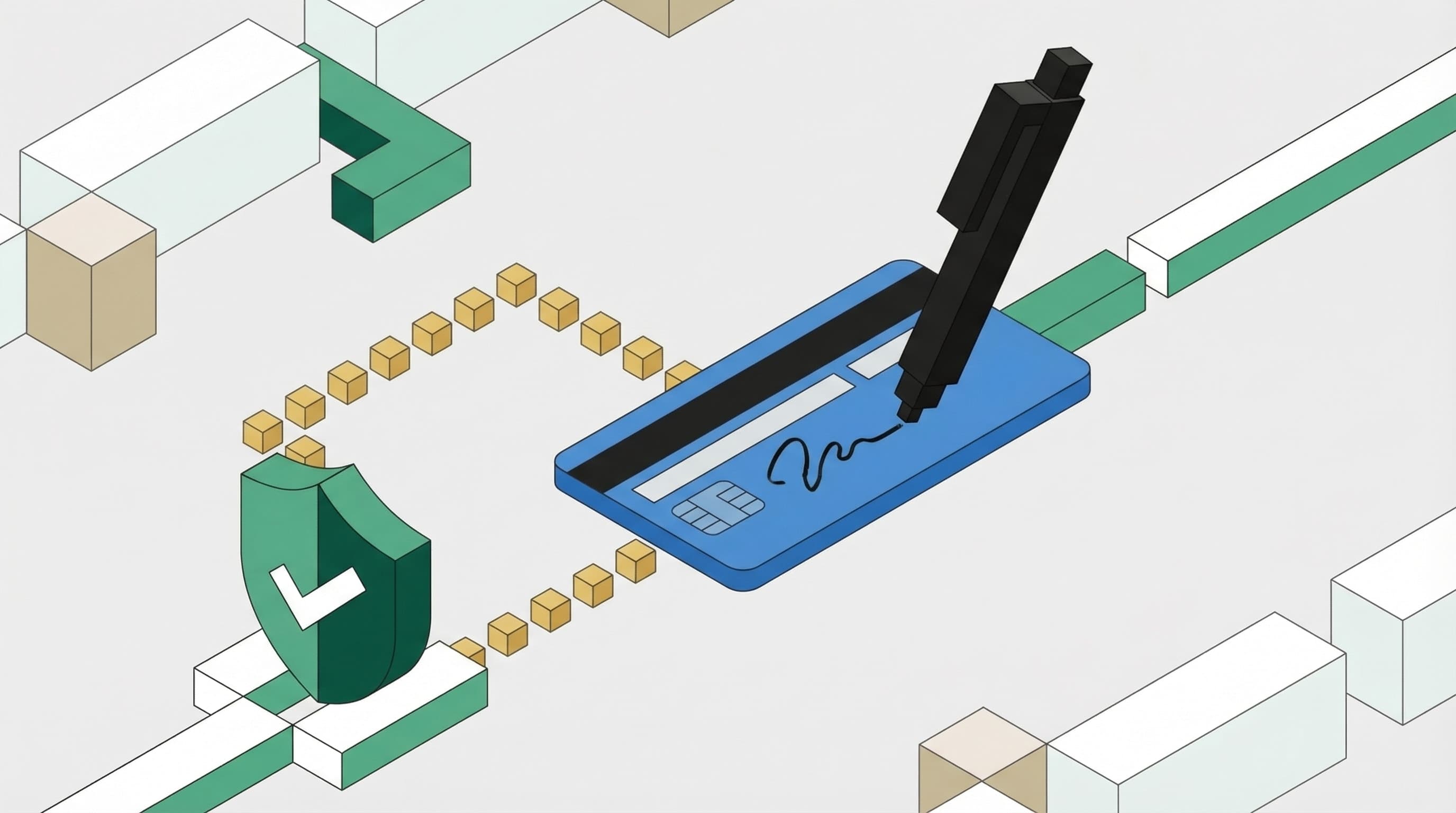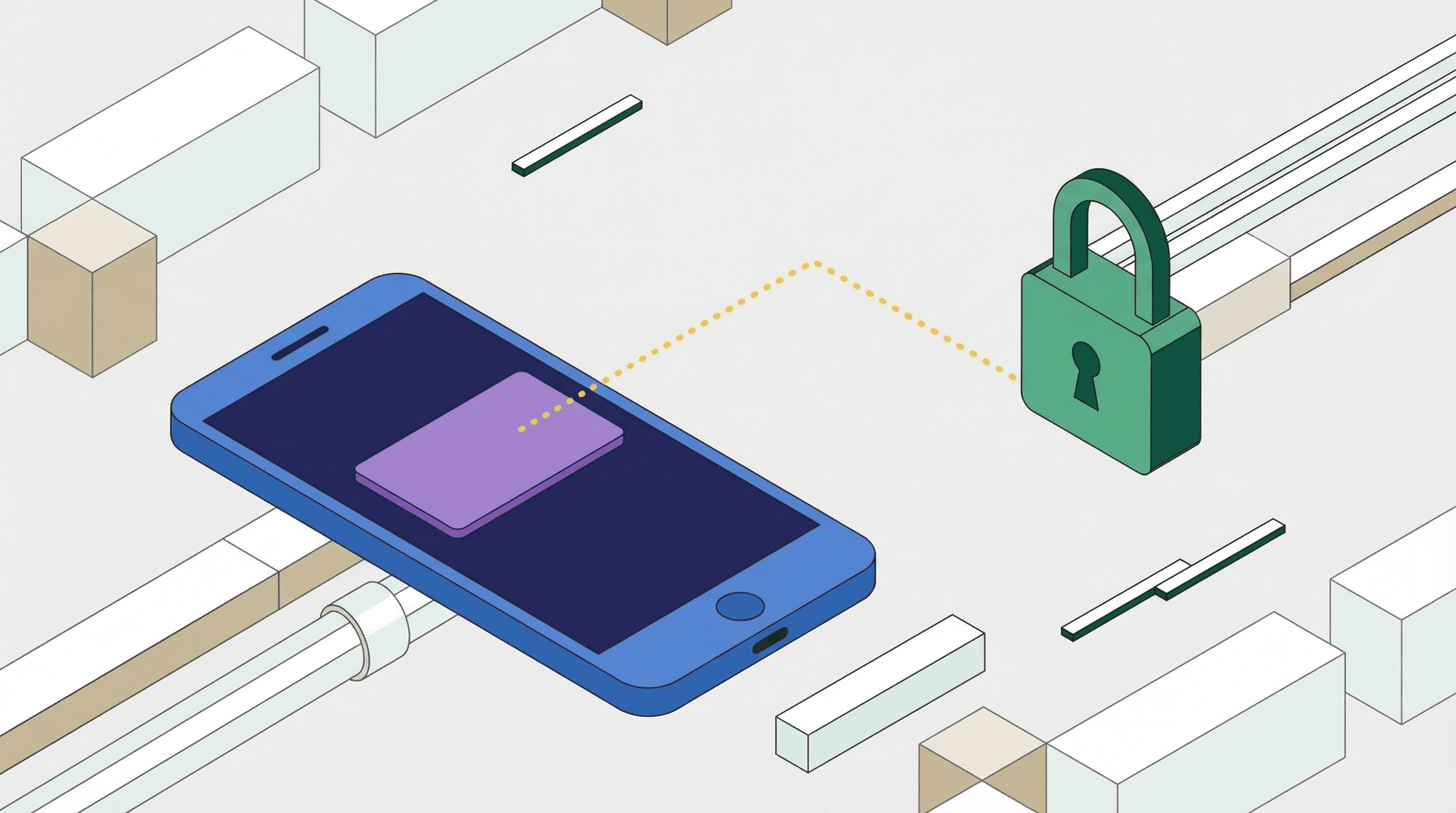
The global shift toward digital-first commerce has accelerated the adoption of specialized payment credentials. In 2024, the virtual card market reached a valuation of USD 19.02 billion.
A virtual card is typically a unique 16-digit digital payment credential, paired with an expiration date and security code, used for online and card-not-present transactions. These cards link to a funding source, such as a credit line or corporate account, while applying granular spend controls.
This guide explores the underlying mechanics of digital issuance and the diverse types of virtual cards available today. You will learn how these tools enhance security and streamline business expenses.
Key Takeaways
Tokenized card transactions can reduce fraud by up to 60% in some Visa data; some virtual card products add dynamic security codes for extra protection.
Issuers can programmatically apply granular controls, including spend limits, merchant locking, and specific time windows for usage.
Businesses can improve operational efficiency via real-time visibility and faster reconciliation; time savings vary by organization.
How Virtual Cards Work
The Mechanics of a Virtual Card
In API-driven programs, the process can begin with an API call to an issuance platform, such as Visa B2B Virtual Account or Stripe Issuing. This instantly generates a unique 16-digit Primary Account Number (PAN), expiration date, and CVV code without the need for any physical plastic.
Once the credentials are created, the virtual card is linked to a specific funding source. This source can be a commercial credit line, a pool of funds in a pseudo account, or a designated real card number (RCN), allowing for controls at both the funding and card levels.
Security is maintained through network services like the Visa Token Service (VTS). Network tokenization replaces the PAN with a token, often paired with transaction cryptograms, so merchants don’t receive the underlying PAN.
Types of Virtual Cards
Single-use virtual cards, often called burner cards, are generated for a one-time transaction and automatically close after the first authorization. This design is ideal for unfamiliar merchants or free trials, as it ensures the card cannot be reused if the data is compromised.
Multi-use or recurring virtual cards have persistent credentials designed for ongoing payments like SaaS subscriptions. These are typically locked to a specific merchant and restricted by a recurring budget, and prevent overcharges or unauthorized spending beyond the authorized subscription amount.
Corporate virtual cards are issued to employees or departments for specific projects, featuring highly granular spend rules. These cards integrate directly with expense management software, providing finance teams with real-time visibility and remove the need for traditional employee reimbursement.
Benefits of Using a Virtual Card
Enhanced Security and Fraud Protection
Tokenization technology used in virtual cards can reduce the rate of fraud by up to 60% compared to traditional PAN-based payments. By shielding the primary account details, these cards help limit the impact of a merchant breach by avoiding exposure of the underlying PAN/account number.
Dynamic Token Validation Codes (DTVC) provide an additional layer of security by refreshing the security code for every new transaction. This can reduce the usefulness of intercepted data because the validation code is designed for one-time use and may have short validity.
Issuers can also implement merchant-locking, which restricts a virtual card to one specific vendor. If the card details are stolen and used at a different merchant, the transaction is automatically declined, effectively neutralizing the threat of stolen digital payment credentials.
Better Expense Management
Virtual cards provide real-time visibility into company-wide spending, allowing finance teams to see transactions as they occur. This immediate data flow replaces the slow, manual process of waiting for monthly statements or collecting physical paper receipts from distributed employees.
Automated reconciliation is achieved by booking transactions directly to the general ledger and attaching them to audit trails. Some case studies report substantial time savings for accounts payable; results vary by organization and process.
A commissioned Forrester TEI study for Airbase reported a modeled 272% ROI for a composite organization. The ability to set pre-approvals and precise budget limits ensures that departmental spending stays within policy while accelerating the month-end close process.
Convenience and Flexibility
Instant issuance allows users to generate and use a virtual card immediately, bypassing the days or weeks required to ship physical plastic. This is especially valuable for remote or hybrid work models, where employees need immediate access to funds for various digital services.
The ability to freeze, pause, or close a card instantly via a dashboard provides users with total control over their accounts. This immediate access ensures that any suspicious activity can be halted in seconds without affecting other active cards or the underlying bank account's status.
Virtual cards are highly flexible and can be tokenized within digital wallets like Apple Pay or Google Pay. This allows the digital-only credential to be used for secure touchless payments at physical point-of-sale terminals, bridging the gap between online and in-person commerce environments.
Virtual Cards vs Traditional Payment Methods
Virtual Cards vs Physical Credit Cards
Virtual cards mitigate risks inherent to physical plastic, such as card skimming or the physical loss of the card itself. Because they are digital, there is no physical object to steal, and the credentials used are often temporary or strictly limited to specific transaction parameters.
Virtual cards often support programmatic Merchant Category Codes (MCCs)/category controls, though similar controls can also exist on some physical commercial cards.
This prevents out-of-policy spending, such as using a card intended for office supplies to pay for travel, providing a level of oversight that physical cards cannot match.
The window of exposure for fraud is significantly smaller with virtual cards due to the ability to issue single-use credentials. While a physical card remains active until it is reported lost, a virtual card can be set to die immediately after a single purchase is confirmed.
Virtual Cards vs Debit or Prepaid Cards
The core difference lies in the funding mechanism; a virtual card is a credential layered on top of a source, not the account itself. While a debit card represents a direct link to a bank account, a virtual card acts as a controlled interface to that underlying capital.
Many virtual card platforms support programmatic issuance and controls; some prepaid programs also support API-based funding. Prepaid cards are typically funded in advance, while many virtual cards can draw from a linked balance or credit line subject to rules and limits.
Granular spend velocity controls allow virtual cards to be constrained to specific amounts for a single day or week. Standard debit cards usually have broad daily limits, but virtual cards allow administrators to set different limits for every single card issued across an entire organization.
Virtual Cards vs Payment Apps or Digital Wallets
Digital wallets like Apple Pay use device-specific tokens called DPANs to represent an existing physical or virtual card. A virtual card is typically an additional card credential (often a new PAN-like number) generated by the issuer/platform and mapped to an underlying funding source.
A virtual card can provide issuer-level controls (limits, merchant/category restrictions), but it does not inherently make the user anonymous.
While a digital wallet secures a transaction through local hardware, a virtual card’s security rules (like merchant locking) apply regardless of where or how the card is used.
Virtual cards can be added to digital wallets to combine the benefits of both technologies. This provides the unique spending rules of a virtual card with the secure, device-based tokenization of the wallet, creating a multi-layered defense against data breaches and unauthorized access.
Common Use Cases for Virtual Cards
Personal Use Cases
Virtual cards provide enhanced security for online shopping at unfamiliar websites or international marketplaces.
Using a virtual card can prevent a merchant from storing the underlying primary PAN because the merchant stores the virtual credential instead, protecting them from large-scale database breaches or identity theft.
Subscription management is simplified by using merchant-locked cards with strict spending caps for recurring services. This prevents companies from charging more than the agreed amount and allows users to cancel a service simply by closing the specific virtual card linked to it.
Some users use single-use/burner cards for trials; depending on the issuer’s rules, future charges after the initial approved transaction may be declined.
If the issuer’s single-use card is configured to close after the first successful charge, later billing attempts may be declined.
Business Use Cases
Accounts payable departments use virtual cards to automate vendor payments by generating a card for each specific invoice. The card is set for the exact invoice amount, which streamlines the reconciliation process and ensures that no vendor can overcharge the corporate account.
Employee travel and expense management is optimized by issuing cards with travel-specific Merchant Category Code restrictions. For example, a card can be configured to only allow transactions at hotels and airlines, preventing misuse and eliminating the need for manual employee reimbursement.
Marketing teams use recurring virtual cards to manage high-volume across various digital platforms. By setting monthly limits and locking cards to specific advertising vendors, finance teams maintain real-time control over departmental budgets and prevent unexpected overages in costs.
How to Get and Use a Virtual Card
Steps to Obtain a Virtual Card
The first step is to choose a provider that offers virtual card issuance, such as a modern fintech platform or a traditional bank. Most personal and business users can access these services through a web dashboard or a mobile application provided by their financial institution.
Once an account is established, the user can request a card by defining its specific parameters, such as the initial spending limit. The issuer or issuance platform generates the virtual card credentials and coordinates with network and processing systems as needed.
After the card is generated, it must be linked to a funding source, which could be a bank account or a credit line. For business users, this often involves assigning the card to a specific budget, department, or project to ensure all spending is tracked correctly.
Making Payments with Virtual Cards
To make a payment online, simply enter the virtual card’s 16-digit number, CVV, and expiration date into the merchant's checkout page. The transaction is processed through the payment network just like a standard card, but it is subject to the unique rules you established.
For in-person payments, the virtual card credentials can be manually added to a digital wallet on a smartphone. Once tokenized, the user can tap their phone at compatible NFC terminals; the purchase is charged to the underlying funding source (balance or credit line, depending on the card).
The transaction will appear in your provider's dashboard in real-time, often categorized and tagged for easy tracking. If a merchant-lock or spend limit is exceeded, the payment network will decline the transaction at the point of sale, providing immediate enforcement of your spending policies.
Limitations and Considerations
A primary limitation of virtual cards is their unsuitability for transactions that require a physical card to be presented for verification. Some hotels or car rental agencies require a physical swipe at check-in to confirm the buyer's identity or to place a security hold for incidental charges.
Picking up will-call tickets or event passes may also be difficult if the venue requires seeing the physical card used for the purchase. Because there is no plastic associated with the virtual card, users may face challenges in environments that have not yet updated their verification policies.
Some merchants may decline certain virtual card transactions (e.g., particular BIN ranges or card types) based on their fraud controls.
While major networks like Visa and Mastercard work to ensure broad acceptance, users should know that specialized merchant systems may occasionally decline virtual credentials.
Plasma One
Plasma One is a stablecoin app and card designed for saving, spending, sending, and earning with digital dollars in one place.
You can spend directly from your stablecoin balance with no manual top ups, so your balance can keep earning until the moment you use it. Rewards are tier-based, paid in XPL tokens, with cash back up to 4% and additional boosts at select partners.
For moving money, Plasma One supports zero-fee USD₮ transfers via Plasma routes and bank withdrawals through connected off-ramps. Timing and fees depend on region and partner coverage.
Setup is designed to be quick. After simple in-app verification, you can get an instant virtual card, add it to Apple Pay or Google Pay, and order a physical card where available.
Security is built around biometric sign-in, encryption, and hardware-backed keys instead of seed phrases, plus controls like real-time alerts, spending limits, and instant freeze.
Plasma One is a fintech product, not a bank, and Plasma does not custody your assets. Rewards, rates, and availability can change, and third-party fees may apply.
Conclusion
Virtual cards represent a critical evolution in the digital payment landscape, offering a level of security and control that physical cards cannot provide.
By utilizing tokenization and programmatic rules, they significantly reduce fraud while empowering both individuals and businesses to manage their spending with precision.
As commerce becomes more digital, deeper integration with modern payment and settlement infrastructure may become more common, but outcomes depend on regulation, adoption, and network design.
Whether for personal security or corporate efficiency, virtual cards provide the necessary tools for modern, secure, and transparent money movement.