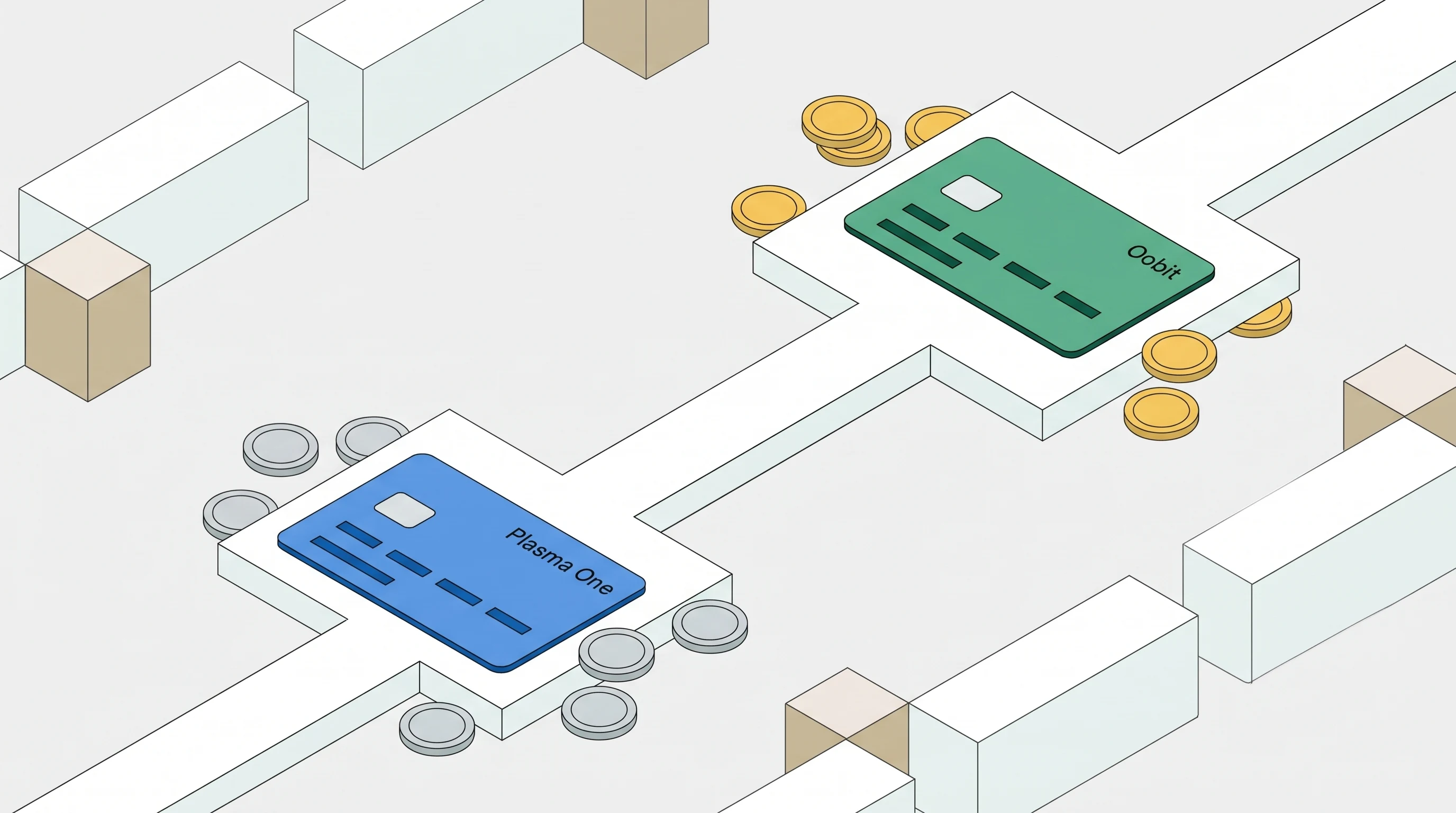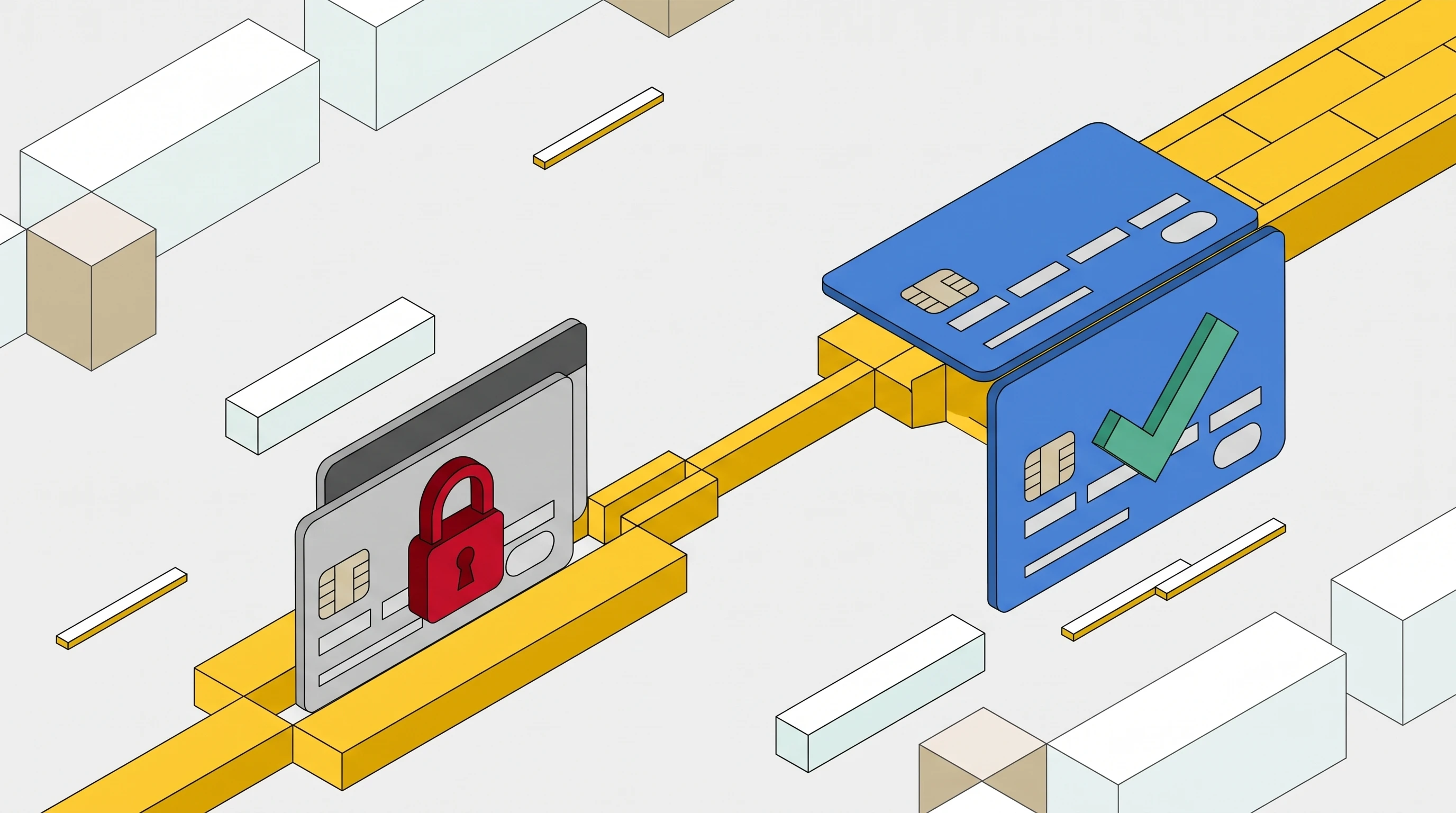
USD₮ transfers, conversion to UAE dirhams (AED) and payments to merchants are separate processes. A blockchain transfer moves tokens between addresses. It does not establish that a provider offers an eligible UAE service or that a local merchant accepts USD₮ directly.
Key Takeaways
USD₮ exists on multiple blockchains; the recipient must support the exact network and token.
Network charges and a platform’s withdrawal fee are different costs.
A successful onchain transaction can precede a platform’s account credit.
A crypto-funded card settles through card rails in fiat; a token transfer is a different payment method.
USD₮ Networks and Recipient Support

USD₮ exists on multiple networks, so "USD₮" alone isn't enough information. You need to pick the exact network the recipient supports, such as TRC-20 (TRON) or ERC-20 (Ethereum).
The practical rule is simple: use the network shown on the recipient's deposit screen. If you send USD₮ on a different network, the recipient may never see it.
Wrong-network sends can be difficult to recover. Recovery depends entirely on who controls the destination address. For custodial recipients, any recovery attempt generally depends on the custodian.
TRC-20 and ERC-20 Networks
Fees and speed can shift with network demand, so always verify the withdrawal screen before each send.
Comparison Table
TRC-20 and ERC-20 describe token standards on different networks. Address appearance is a clue, not proof that a recipient accepts the token. The recipient’s published deposit requirements determine which transfers it can credit.
Criteria | USD₮ TRC-20 (TRON) | USD₮ ERC-20 (Ethereum) |
|---|---|---|
Network resource charges | TRON resource rules and any provider fees | Ethereum gas and any provider fees |
Recipient credit | Depends on recipient confirmation and deposit requirements | Depends on recipient confirmation and deposit requirements |
Network support | Must be confirmed for the exact recipient | Must be confirmed for the exact recipient |
Address format cues | Commonly starts with T | Commonly starts with 0x |
Wrong-network risk | Recipient may be unable to recover or credit funds | Recipient may be unable to recover or credit funds |
Transfer Details and Loss Risks
Pause before every send. Network mistakes can lead to lost funds, and TRC-20 is not interchangeable with ERC-20.
Network match: sender's withdrawal network must equal the recipient's deposit network
Address format: sanity-check that the address matches the network you selected
Memo/tag: include it exactly if required, or funds may not credit
Minimums and fees: confirm the minimum deposit and whether fees reduce the sent amount
Test transaction: send a small test amount to new recipients
Recordkeeping: save the transaction hash, timestamp, and deposit-screen screenshots
Sending on an unsupported network can result in lost funds.
Transaction Confirmation and Recipient Credit
A transaction hash identifies a submitted transaction. Network confirmation and finality are separate from the receiving platform’s decision to credit an account. Deposit minimums, supported tokens, confirmation requirements and account checks can affect that credit. A transfer can be tracked through these stages:
The transaction hash is visible from the sender
Confirmations increase on the block explorer
The recipient shows the funds as "credited" or "available"
Fees, Confirmation Times, and Troubleshooting

Fees and speed depend on network conditions and your sender's fee schedule. Exchanges may charge their own withdrawal fee, which can differ from the on-chain network cost.
An unsupported network, missing required memo or tag, deposit below the platform minimum, or pending account review can prevent an expected credit. A successful block-explorer status alone does not prove that a recipient has made funds available.
Transaction hashes, network names and the recipient’s deposit instructions help support teams investigate a missing credit. Private keys and recovery phrases must never be shared with support or entered into a site linked by an unsolicited message.
Confirmation Times and Fees: TRC-20 vs ERC-20
Ethereum transfers use gas; TRON uses its resource and fee rules. The amount charged depends on the network, transaction and sender’s platform. Neither network is universally the cheaper or faster route for a particular transfer.
Check both the exchange's withdrawal fee and current network conditions before sending.
Failure States and How to Fix Them
The general troubleshooting order: verify the network or chain used, look up the transaction on the correct block explorer using the transaction hash, check the recipient's deposit requirements (memo/tag, minimums), then contact the receiving platform's support with full transaction details.
When contacting support, include the transaction hash, the receiving address, the network name, and screenshots.
Sent USD₮ on the wrong network
What happened: You sent USD₮ to an address, but the recipient shows no deposit.
Why: The recipient only credits one specific network.
What to do: Contact the receiving platform through its official support channel with the transaction hash, network and receiving address. Recovery depends on whether the recipient controls the address on the network used and whether its systems support recovery. Some transfers cannot be recovered.
Transaction is stuck or pending
What happened: Your withdrawal shows pending, or the on-chain transaction hasn't confirmed.
Why: The exchange may be delayed, or Ethereum gas was underpriced at submission.
What to do: Check whether a transaction hash exists. If there's no hash, the funds may not have left the exchange yet. On-chain transfers are typically final only once the chain's finality criteria are met, and exchange withdrawals may only be cancelable before broadcast.
Funds arrived but aren't credited in the exchange or app
What happened: The explorer shows success, but your balance hasn't updated.
Why: The platform may require more confirmations, enforce minimum deposit rules, or be running a review.
What to do: Check the platform’s published confirmation and deposit requirements, then contact official support if the credit is still missing. Account credits, compliance reviews and possible corrections follow the platform’s terms; onchain finality does not settle those separate questions.
AED Payments and Service Eligibility
A card payment is authorized and settled over card-network arrangements in fiat. Any conversion from a token balance is a separate provider service whose timing, fees and eligibility depend on the program. A bank transfer in AED is also distinct from a USD₮ transfer. A token’s presence on a public network does not establish permission to offer either service in the UAE.