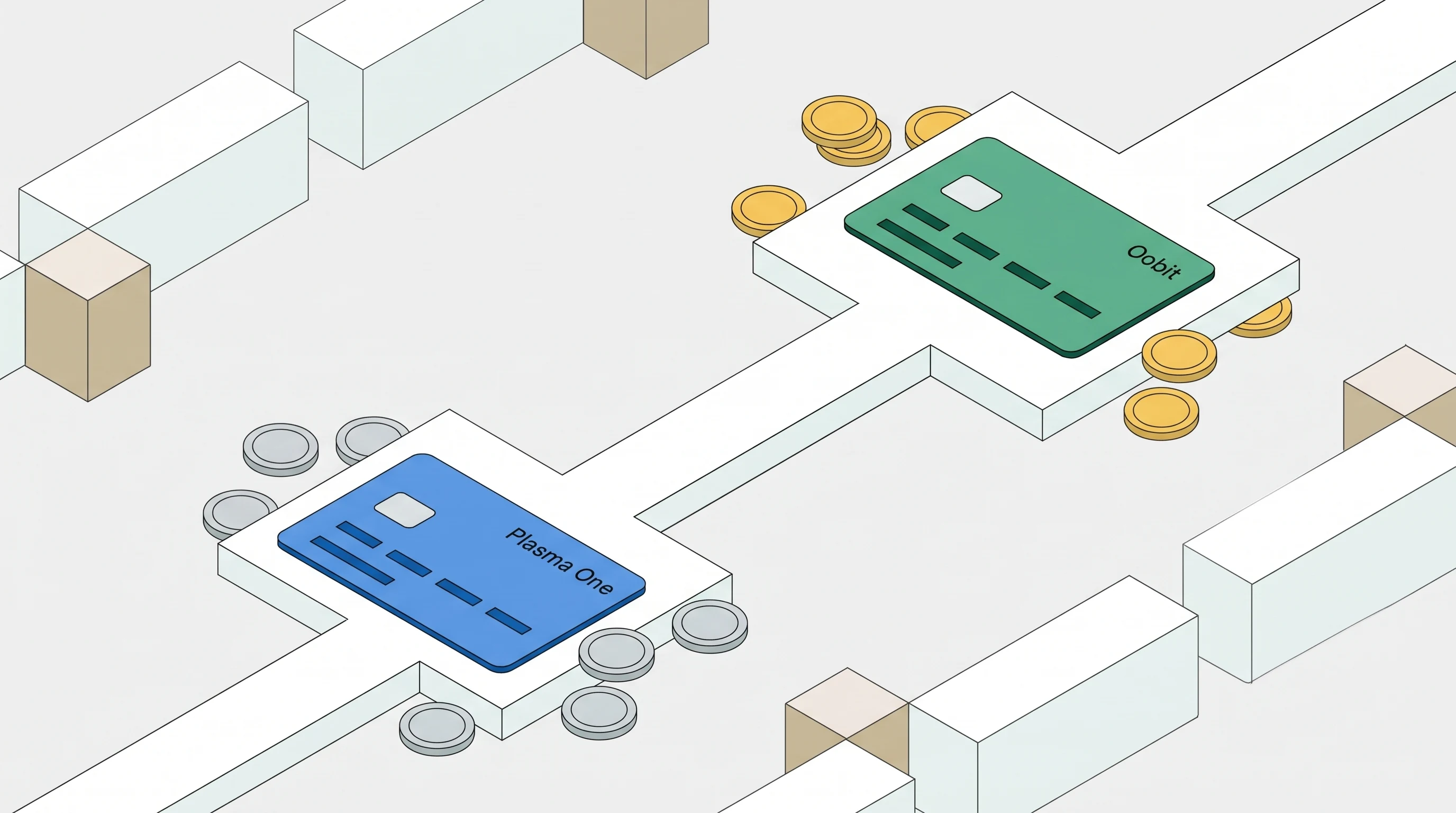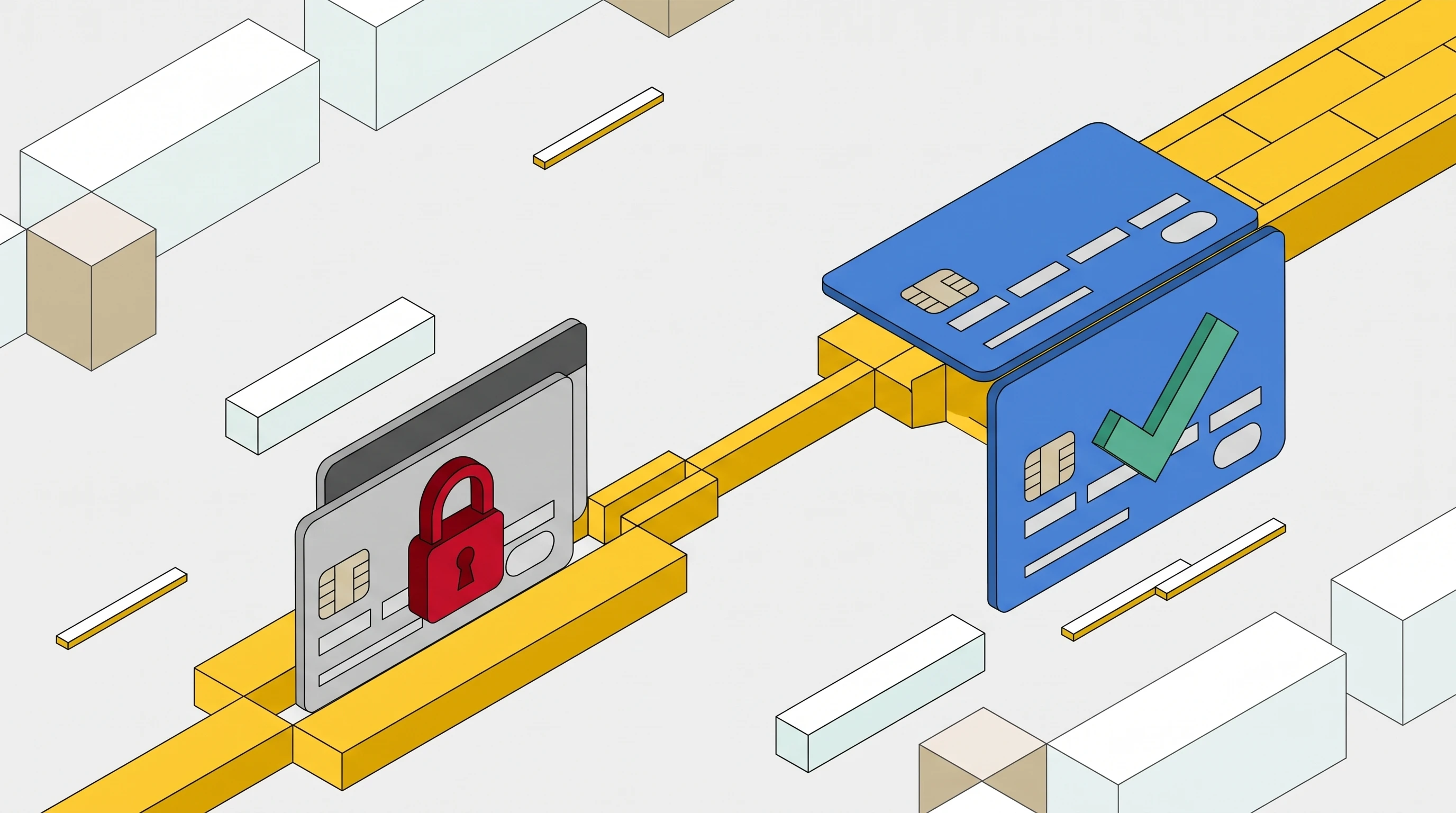
Banks and credit unions provide many similar everyday financial services. Compare the particular institution’s eligibility, account fees, interest rates, access and insurance status rather than assuming one ownership model offers better value for every saver.
Credit unions are member-owned financial cooperatives. Banks have several ownership structures, including shareholder-owned and mutual institutions. In the United States, eligible deposits at FDIC-insured banks and federally insured credit unions have insurance subject to limits and ownership-category rules.
In this guide, you will learn the functional differences between these institutions, compare their current interest rates, and see which one fits your specific lifestyle and financial goals best.
Key Takeaways
Credit unions are member-owned cooperatives. Banks include shareholder-owned and mutual institutions.
Compare current account and loan quotes; ownership does not guarantee a lower fee or better rate.
Check the institution’s eligibility, service access and insurance status.
Credit Union vs Bank: What They Are and How They Work
What Is a Bank?
Banks provide deposit, lending and payment services under their applicable charter. Ownership can include shareholders or members of a mutual institution.
Because they operate as businesses, they focus on market-driven returns and often have diverse product offerings. They are accessible to the general public, and anyone can usually open an account as long as they meet the bank's requirements.
What Is a Credit Union?
A credit union is a not-for-profit cooperative financial institution. Unlike a bank, it is owned and controlled by its members. This ownership structure means the people who save and borrow money there have a voice in how the union is run.
Because they are not-for-profit, they typically return surplus income to their members. This often takes the form of lower interest rates on loans, higher returns on savings, or reduced fees for everyday banking services.
Why People Compare Credit Unions and Banks
Consumers compare these two because they offer nearly identical services. Both provide checking and savings accounts, credit cards, and loans like mortgages.
In the United States, eligible deposits at FDIC-insured banks are generally covered up to $250,000 per depositor, per insured bank, per ownership category. Federally insured credit unions have NCUA share-insurance coverage with applicable account-category rules. Check the institution and account; not every institution has federal insurance.
Key Differences Between Credit Unions and Banks
Ownership Structure: Members vs Shareholders
Credit unions function as member-owned cooperatives, meaning every person who opens an account is actually a partial owner.
Banks have different ownership structures, including shareholder-owned and mutual institutions. Compare the institution’s governance and terms rather than assuming all banks have external shareholders.
Profit-Driven vs Member-Focused Models
Ownership can influence incentives, but it does not determine the price or suitability of every account. Compare actual fees and rates.
Decision-Making and Governance Differences
Bank governance depends on the charter and ownership structure. Shareholder voting arrangements differ from mutual institutions and member-owned credit unions.
Credit unions operate on a one-member-one-vote system, ensuring that your voice remains equal to others regardless of how much money you have on deposit.
Fees, Interest Rates, and Financial Value
Typical Fee Structures in Banks vs Credit Unions
Both banks and credit unions can charge account, overdraft or ATM fees. Compare the current schedule, waiver conditions and expected usage.
Savings Rates and APY Comparison
Compare deposit APYs for the same term, balance and withdrawal conditions. Neither ownership model guarantees the highest rate.
Loan Interest Rates and Borrowing Costs
When borrowing money, credit unions often provide lower interest rates on personal loans, credit cards, and vehicle financing. These reduced borrowing costs allow members to keep more of their monthly income rather than paying it back in interest to a commercial lender.
How Profits Are Used or Returned to Customers
While banks distribute profits to outside investors, credit unions return their surplus to members. This value may be delivered through dividends, lower fees, or better pricing on some products.
Products and Services Offered
Checking and Savings Accounts
Both types of institutions provide essential retail products like standard checking and savings accounts. You can easily manage your daily expenses and store funds comfortably in either setting.
Loans, Mortgages, and Credit Cards
Credit unions often offer competitive rates on auto loans and personal loans. However, large banks usually provide a wider selection of credit card rewards and complex mortgage products for varying buyer profiles.
Investment and Financial Planning Services
National banks often provide sophisticated services like in-house robo-advisors and extensive wealth management platforms. Many credit unions emphasize core deposit and lending products, though services vary widely by institution.
Digital Banking and Mobile App Features
App functions, accessibility and support vary by institution. Check the tools needed for the intended account rather than assuming a uniform technology gap.
Accessibility and Membership Requirements
Who Can Join a Credit Union
Credit unions are member-owned organizations that require you to share a common bond with the group. This common bond usually involves your place of work, where you live, or a specific organization you belong to, like a church or school.
Open Access vs Eligibility-Based Membership
Banks and credit unions apply account-opening requirements. Credit unions also have membership criteria, which may depend on a common bond or an affiliated organization.
Branch Networks and Shared ATM Systems
Some institutions participate in shared branch or ATM networks. Confirm the current locations, transaction types, fees and account eligibility.
National vs Local Availability
A national branch or ATM network can be useful for travelers, but check the actual locations and services available to the account.
Local credit unions may have fewer physical hubs but provide deeply personalized service within their specific home region.
Customer Experience and Service Quality
Personalized Service vs Standardized Banking
Service quality varies by institution and channel. Compare relevant service information rather than assuming a fixed satisfaction advantage for every credit union.
While banks use automated processes, credit unions often offer personalized support from staff who may know your financial history.
Community Focus and Relationship Banking
Credit unions operate as not-for-profit cooperatives focused on local members. This community focus means your deposits help fund loans for neighbors and local small businesses.
Unlike large banks, credit unions prioritize building long-term relationships over maximizing quarterly profits for outside shareholders.
Lending Flexibility and Approval Approach
Loan approval depends on underwriting, eligibility and affordability. Membership does not guarantee approval or more flexible terms.
Safety, Security, and Regulation
How Banks Are Regulated and Insured
US bank supervision depends on charter and membership and can involve the OCC, Federal Reserve, FDIC and state regulators. FDIC deposit insurance is a separate protection for eligible deposits at insured banks.
Credit Union Regulation and Deposit Protection
NCUA supervises federal credit unions and operates the federal share-insurance fund. State-chartered credit unions also have state supervision, and not all are federally insured. Check the institution’s insurance status and account category.
Financial Stability and Risk Management
Both types of institutions must maintain high institutional health metrics to operate safely. They are required to hold a certain amount of capital as a buffer against losses. This helps reduce risk, while federal insurance protects eligible deposits or shares up to coverage limits.
Advantages and Disadvantages of Credit Unions
Key Benefits of Credit Unions
Credit unions are not-for-profit cooperatives, meaning they return profits to members through higher savings rates and lower loan interest rates.
Because they focus on service rather than shareholder dividends, members frequently save on monthly maintenance fees and enjoy a personalized, community-focused banking experience.
Potential Limitations of Credit Unions
One trade-off is that membership is restricted by specific criteria, such as your employer or geographic location.
Some credit unions have fewer branches or different digital tools than large banks. Compare the particular institution’s access and services.
Advantages and Disadvantages of Banks
Key Benefits of Banks
The primary advantage of a bank is its widespread physical and digital presence. Large banks typically offer extensive branch networks and ATMs, making it easy to access cash or speak with a representative in many cities. They also usually provide advanced mobile apps and a wide range of products.
Potential Drawbacks of Banks
Bank account fees and waiver balances vary. Compare the current terms rather than using an historical industry average as the price of a particular account.
Beyond high balance requirements, banks may offer lower rates on some deposit products, such as CDs, but comparisons vary by product.
Frequent overdraft fees or out-of-network ATM fees can quickly drain a small savings account, making it harder for individuals to reach their long-term financial goals. Ultimately, your choice depends on whether you value rate-driven savings or infrastructure-driven convenience.
Credit Union vs Bank: Which Is Right for You?
Best Choice for Saving Money
Credit unions may be superior for some deposit products, especially CDs, but compare APYs by account type.
Because they are not-for-profit cooperatives, they may return value through lower loan rates, lower fees, and sometimes better yields on certain deposit products such as CDs. A credit union may be a better fit if its specific deposit rates beat your bank’s rates.
Best Choice for Loans and Credit
Compare actual loan offers, including APR, fees, eligibility, repayment flexibility and total borrowing cost. Credit-union membership does not guarantee the least expensive or most accessible loan.
Best Choice for Convenience and Digital Banking
Compare the particular bank or credit union’s app functions, accessibility, support, branch and ATM access, fees and account terms. Institution type alone does not establish which provider has the most suitable digital service.
Best Choice for Long-Term Financial Goals
Match the institution’s saving, borrowing and advice services to the intended goal. Neither ownership model guarantees a better long-term outcome.
Your decision should align with the financial environment that makes you feel most secure.
Common Misunderstandings About Credit Unions and Banks
Size and Accessibility Myths
Some credit unions participate in shared branch and ATM networks, while others do not. Check the specific institution and account.
You can often manage your money across thousands of locations nationwide through these cooperative networks.
Service Totals and Technology Misconceptions
Digital capabilities vary across both banks and credit unions. Review the actual app functions and support rather than assuming either group has uniformly better tools.
Most members now enjoy a standardized experience for basic features such as mobile check deposits and transfers.
Membership and Eligibility Confusion
You do not always need a specific job or military background to join a credit union. Many have broad eligibility requirements based on where you live or simple memberships in affiliated nonprofits.
This makes it easier than ever to join and access competitive interest rates for your savings.
Final Thoughts on Choosing Between a Credit Union and a Bank
Finding the right financial ecosystem is essential for building a more stable financial future.
Whether you choose the structural strength of a bank or the member-first focus of a credit union, modern options have never been more accessible for those seeking to stretch their income while keeping their assets protected.
Both paths offer peace of mind, as the full faith and credit of the U.S. government backs FDIC and NCUA insurance. This protects eligible deposits or shares up to federal coverage limits.