Corporate treasurers today manage unprecedented complexity. Global companies sit on over $8 trillion in cash balances worldwide, yet much of this liquidity is fragmented across dozens of banks and jurisdictions. The result is idle capital that cannot be deployed efficiently.
Stablecoins offer a new path forward. As fiat-backed digital tokens that settle instantly on blockchain rails, they transform how treasurers manage cash visibility, liquidity, and working capital. By reducing the need for pre-funded accounts and enabling real-time settlement, stablecoins help treasurers unlock liquidity once trapped in transit.
Let’s unpack how stablecoins are streamlining treasury and liquidity management, from reducing trapped balances to enhancing forecasting accuracy.
Trapped Liquidity: A Multi-Trillion-Dollar Problem
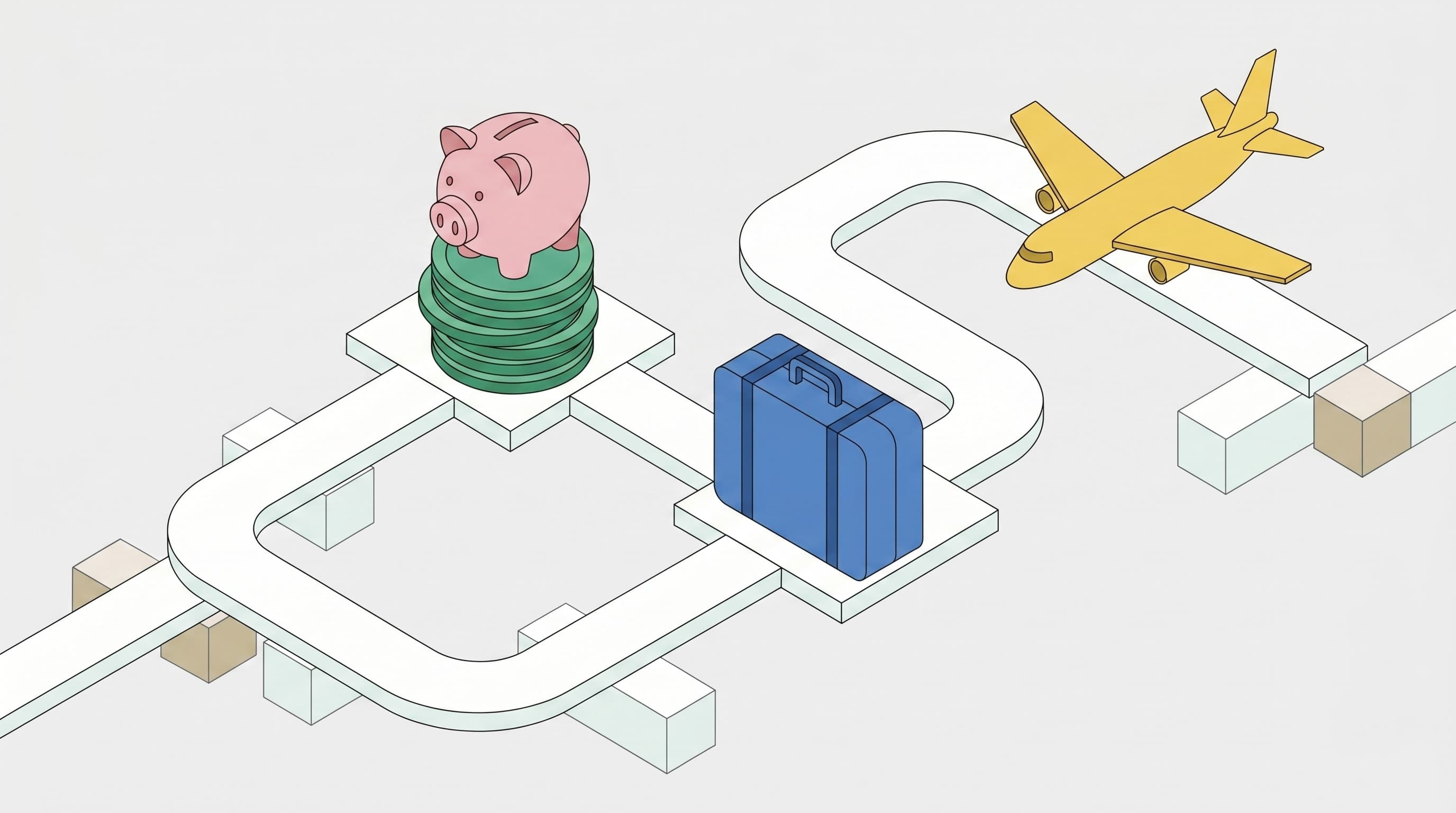
For many corporations, cash can be inaccessible even when business is booming. Balances are often scattered across dozens of subsidiaries and banks, with significant portions locked up in accounts that exist solely to keep payment networks functioning.
Simply put, today’s corporate treasurers must deal with:
Massive, but idle, corporate cash holdings: The trillions in corporate funds held in cash reserves each year outstrips the GDP of many nations.
Settlement delays freeze capital: Traditional cross‑border and intercompany transfers can take 1–3 days, immobilizing working capital.
Fragmented cash across regions: Managing liquidity across dozens of jurisdictions and organizations is difficult, often resulting in operational inefficiencies and blind spots.
Forecasting complexity: MNCs operate with scattered accounts and siloed visibility, leading to uncertainty in liquidity planning and reactive forecasting.
Manual, error-prone workflows: Reconciliation, sweeping, and transfers are globally handled in batches, increasing operational risk and human error.
In short, even firms with large headline reserves often find their usable liquidity far smaller than it appears. As a result, tools that improve visibility and control across the whole system generate outsized value for corporate treasury and liquidity management. Stablecoins fit that brief.
How Stablecoins Help Treasury & Liquidity Management
Stablecoins are not a single-purpose tool. Many of their defining features (e.g. instant portability, transparency, and programmable logic) map directly to many of today’s most pressing corporate treasury challenges.
At a macro level, these advantages include:
Centralized visibility: On-chain balances update in real time, allowing treasurers to see global cash positions without waiting for batch reconciliations.
Improved forecasting: Faster settlement cycles mean forecasting models reflect actual liquidity, not estimates delayed by 24–72 hours.
Reduced buffers: With instant access to liquidity, firms can hold less idle cash and reduce borrowing costs.
Operational resilience: 24/7 settlement removes dependence on banking hours, reducing disruption risks during weekends or holidays.
Risk control: Programmability allows treasurers to build guardrails into liquidity flows, reducing human error and fraud exposure.
In short, stablecoins help by consolidating liquidity into a unified, verifiable pool. With funds available onchain around the clock, treasurers can move value instantly between entities and reduce the need for excess balances.
Treasury Function | Legacy Process | Stablecoin Advantage |
Liquidity pooling | Manual rebalances, pre-funded accounts | Instant pooling with tokenized cash |
Forecasting | Lagging data from multiple banks | Real-time on-chain balances |
Reconciliation | Day-end matching across ledgers | Unified digital ledger, instant finality |
Automation | Manual sweeps and batch runs | Programmable triggers and rules |
Capital efficiency | Trapped balances in nostro accounts | Immediate deployment of freed liquidity |
Now, let’s take a closer look at some of the most persistent roadblocks to effective corporate treasury management, and how stablecoins offer a viable solution.
From Trapped Liquidity to Rapid Capital Deployment
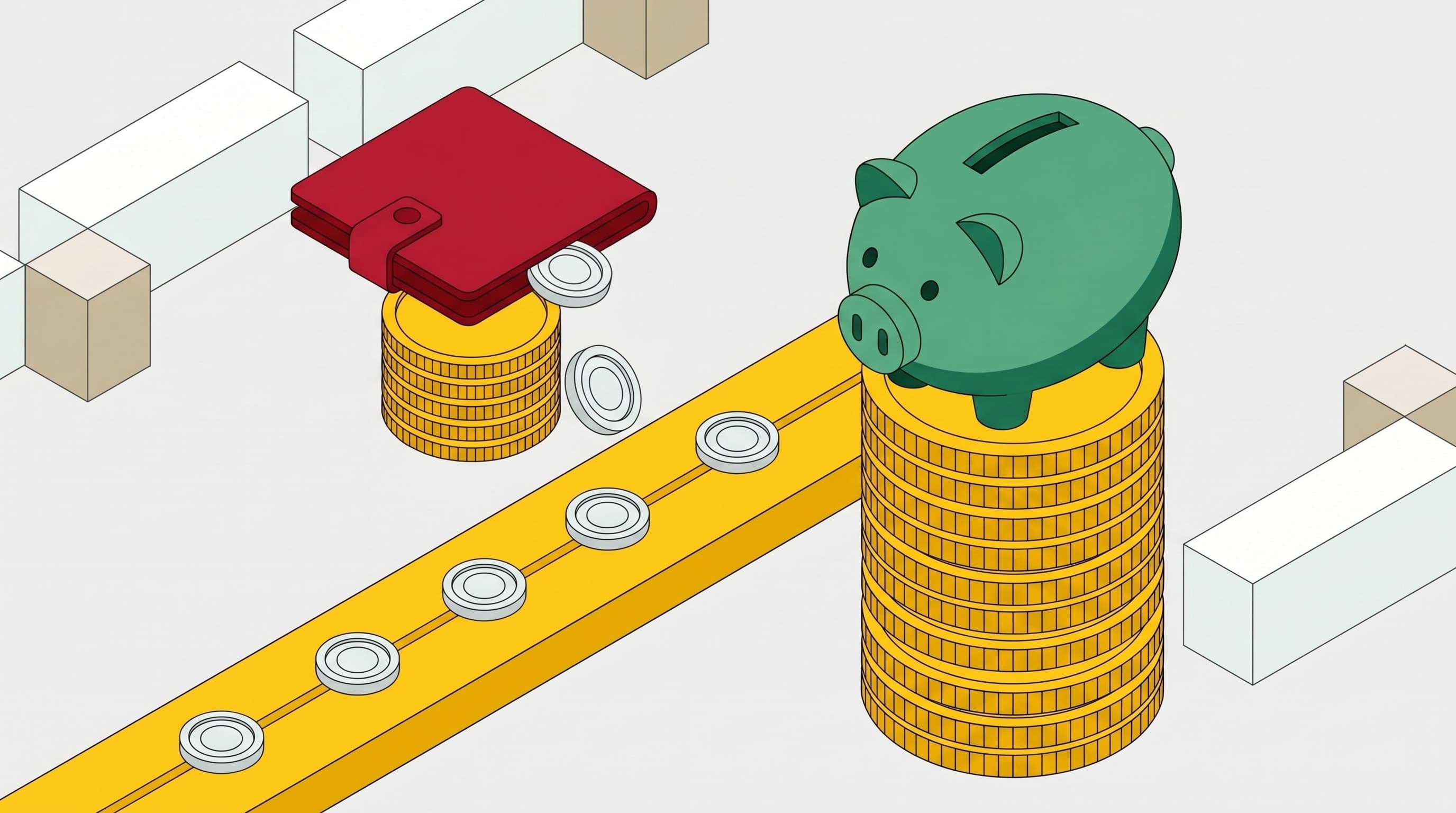
According to industry estimates, over $4 trillion globally is locked in pre-funded balances alone. This is capital that could otherwise be invested or used for growth. Even one day of lag can freeze billions in working capital, and when trillions are stuck in low-yield deposits or pre-funded buffers, the opportunity costs mount.
Stablecoins improve capital efficiency by putting liquidity to work faster. Ownership transfers the moment a block confirms, releasing liquidity for immediate use. This reduces reliance on costly short-term borrowing and shrinks buffers, and freed balances can be allocated to higher-return opportunities.
From Fragmented Accounts to Full Visibility
Treasurers often juggle accounts across dozens of banks, each with siloed reporting systems and different cut-off times. The result is blind spots and stale data.
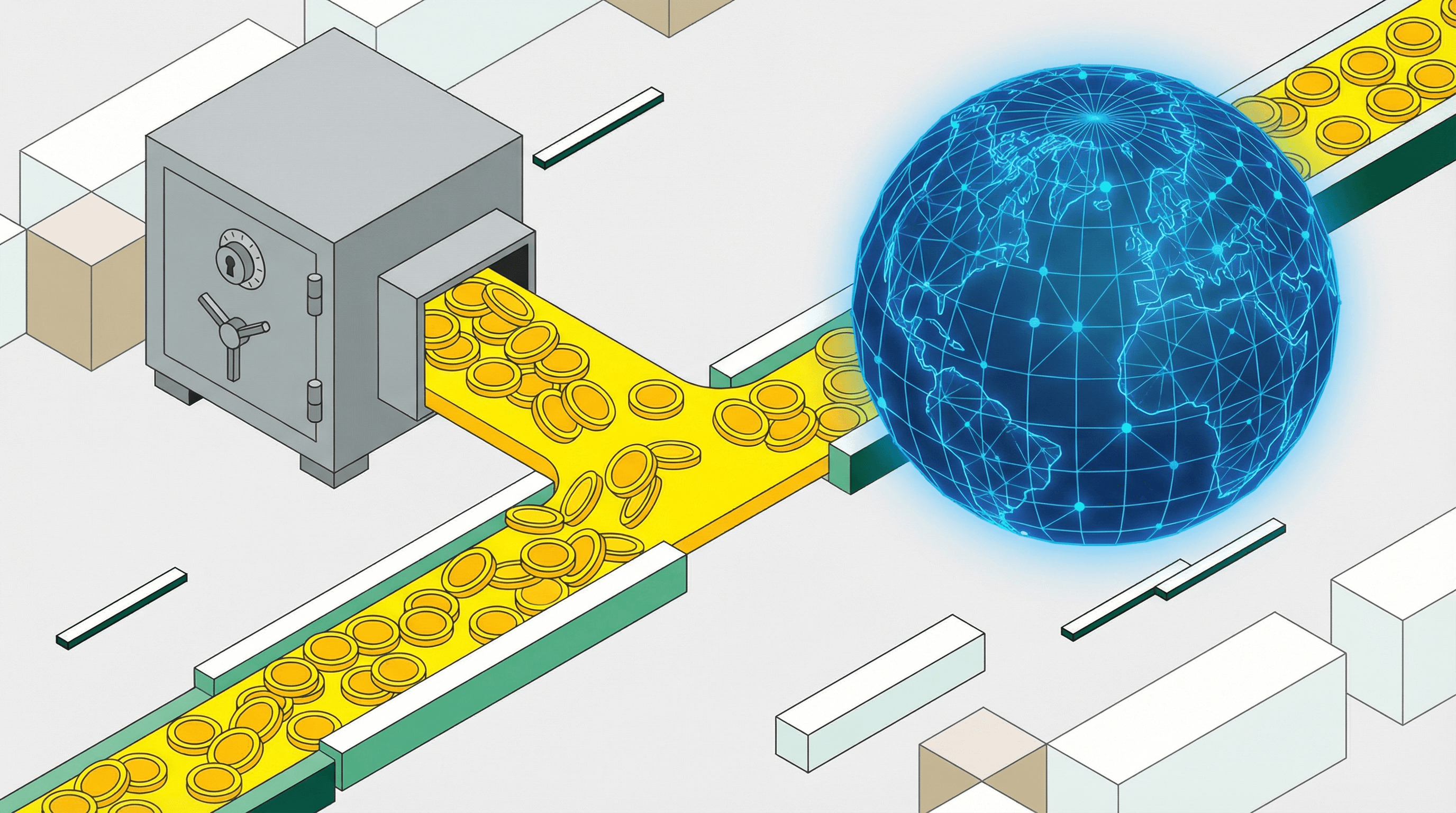
With stablecoins, balances update in real time, regardless of geography or banking partner. This allows treasurers to run a single consolidated view of cash, improving forecast accuracy and enabling faster capital allocation decisions.
From Delayed Settlements to Instant, Global Liquidity
Traditional cross-border payments depend on bank operating hours, clearing cycles, and compliance checks. Transfers can take days, leaving firms to hold inflated liquidity buffers.
Stablecoins operate on always-on blockchains, with settlement completed in seconds rather than days. Treasurers can rebalance immediately at any time, including weekends and holidays. This agility reduces overnight cushions and makes it possible to respond quickly to unexpected market events or urgent obligations.
From Manual Processing to Financial Programmability
Legacy treasury processes rely on manual reconciliations, batch sweeps, and intercompany transfers. Each step adds delay and operational risk. And with cash stuck and opportunity costs inflated, treasurers are forced to inflate their buffers, reducing investment flexibility and raising financing costs.
Stablecoins introduce programmable automation. Smart contracts can enforce rules for cash sweeps, intercompany netting, or conditional supplier payments. For example, a contract can release funds only when goods are delivered, or automatically top up regional accounts when balances dip below thresholds. This reduces labor costs while embedding compliance into the transaction itself.
Plasma Streamlines Stablecoin Liquidity Management and Access
Most stablecoins today operate on general-purpose chains designed for trading or DeFi. While effective, these networks suffer from congestion, unpredictable fees, and inconsistent performance. For treasury use cases, predictability is non-negotiable.
Plasma offers a better way forwarsd. As a stablecoin-first Layer 1, Plasma offers sub-second finality, zero fee USD₮ transfers, custom gas tokens, and compliance-ready infrastructure purpose-built for payments and liquidity management. This ensures that stablecoins can function not just as digital assets, but as reliable instruments of corporate treasury strategy.
Corporate Treasuries Are Changing, as Financial Infrastructure Improves
Treasury management is evolving from fragmented, reactive processes to real-time, globally integrated liquidity management. Instant visibility and automated execution are now critical, and with trillions trapped in legacy systems, the opportunity cost is enormous.
Stablecoins directly support this shift. By offering visibility, efficiency, and automation options that legacy rails cannot match, stablecoins provide treasurers with the tools to turn idle balances into strategic assets. Far from simply serving as payment tokens, stablecoins deployed on purpose-built rails are forming the foundation of tomorrow’s corporate treasuries.