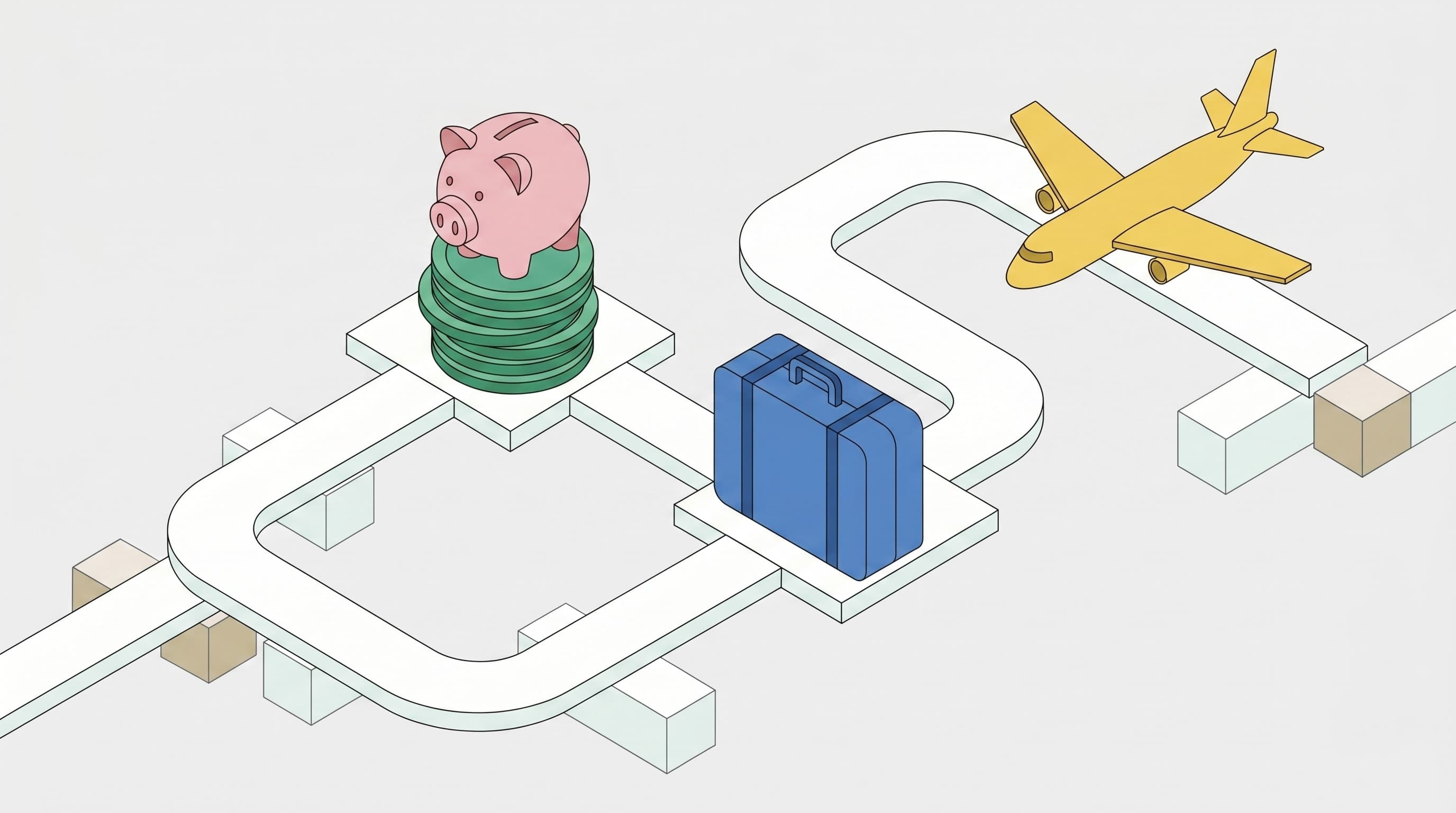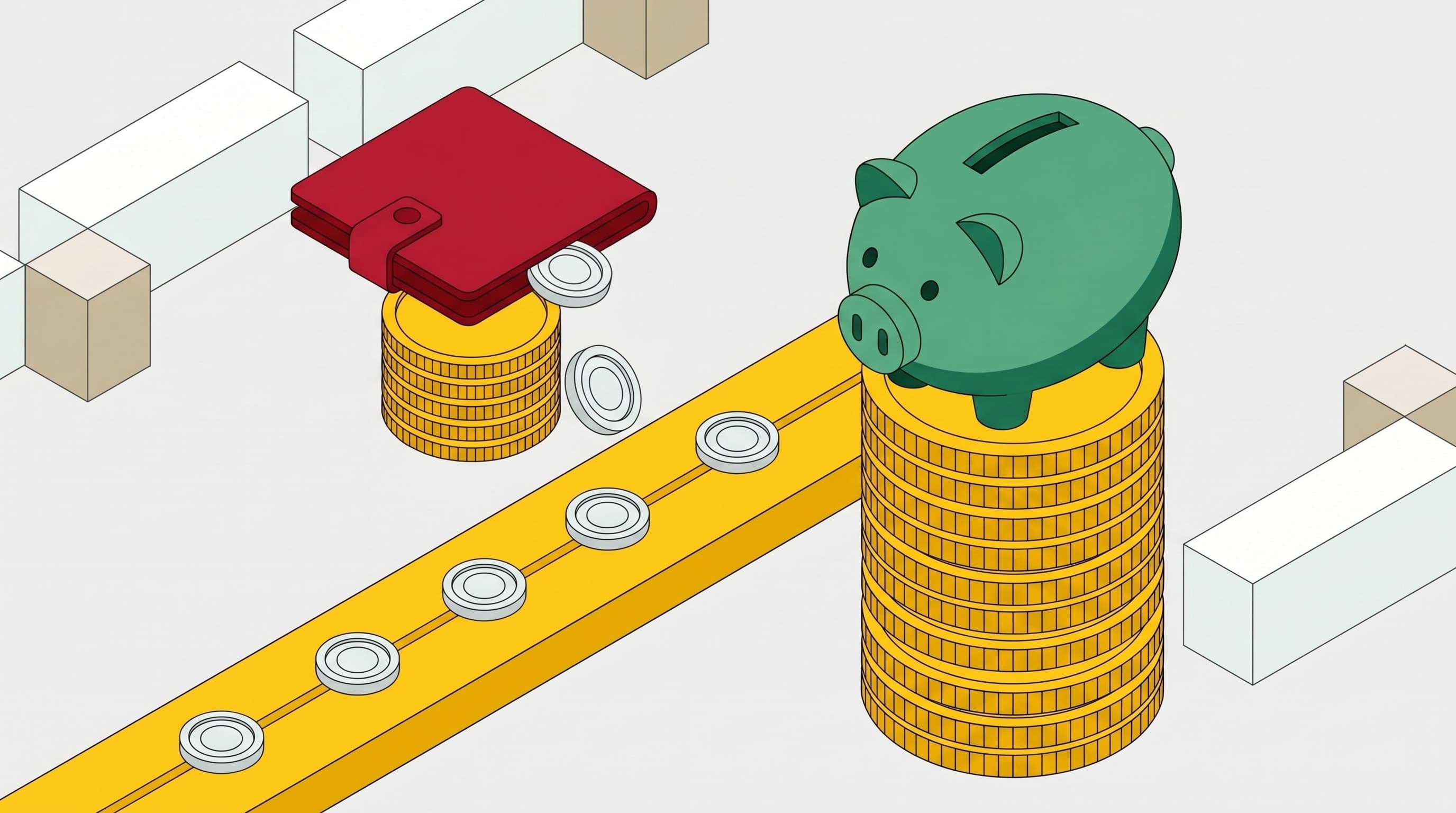
Enterprise interest in stablecoin treasury use is rising as regulation becomes clearer: EY-Parthenon’s 2025 survey found that 58% of corporates planned to adopt stablecoins within two years, and 87% believed they could create a competitive advantage.
A stablecoin treasury is a corporate finance function that incorporates and manages fiat-pegged digital assets like USD₮ within overall cash and liquidity operations, using blockchain technology to enhance efficiency and transparency.
You will learn the operational benefits of moving treasury functions onchain, practical management strategies, key risks and compliance considerations, and future trends in stablecoin treasury operations.
Key Takeaways
Stablecoin treasuries can cut settlement from days to under 30 seconds and reduce transaction costs by approximately 45% compared to traditional fiat rails.
Diversification across at least two audited, reserve-backed stablecoins and multiple blockchains mitigates single-issuer concentration risk.
Regulatory compliance and institutional-grade custody are essential foundations for sustainable corporate treasury adoption.
What Is a Stablecoin Treasury?
A stablecoin treasury manages fiat-pegged digital assets, such as USD₮, as part of corporate cash and liquidity operations. It serves several core purposes: maintaining operating float for immediate liquidity needs, executing faster cross-border payables, and automating vendor payouts and payroll.
Unlike traditional cash management, a stablecoin treasury operates on blockchain infrastructure. This allows businesses to hold, move, and reconcile funds without relying solely on conventional banking rails. The result is enhanced operational efficiency and greater control over corporate liquidity.
How It Differs from Traditional Treasury Management
Settlement speed represents one of the most significant differences. Traditional domestic Automated Clearing House (ACH) transfers take hours to a full day, while cross-border Society for Worldwide Interbank Financial Telecommunication (SWIFT) wires require one to five business days.
Onchain settlement achieves finality in seconds to minutes, regardless of geography.
Transaction costs also favor onchain operations. Traditional wire fees can range from $15 to $50 per transaction, with correspondent banks adding intermediary fees. Onchain transfers typically cost a fraction of that, making high-frequency, low-value payments economically viable.
Reconciliation processes differ substantially as well. Traditional reconciliation is labor-intensive, often taking days due to opaque correspondent banking chains.
Onchain reconciliation is automated and near real-time, reducing manual effort from days to minutes and giving treasury teams immediate visibility into cash positions.
Why Companies Use Stablecoins for Treasury
Benefits of Stability and Predictable Value
Corporate treasury operations have traditionally relied on bank accounts, wire transfers, and manual reconciliation processes that add time, cost, and complexity to cash management.
Stablecoins offer a compelling alternative by combining the price stability of fiat currency with the operational advantages of blockchain infrastructure.
Stablecoins are digital tokens designed to maintain a consistent value pegged to fiat currency, typically the US dollar. For corporate treasurers, this means holding digital assets that don't experience the volatility common to cryptocurrencies like Bitcoin or Ethereum.
A token like USD₮ maintains its peg through reserves backing each issued token, allowing companies to hold and transfer value denominated in familiar currency units.
This predictable value enables treasurers to manage cash positions, plan expenditures, and execute payments without exposure to foreign exchange fluctuations or crypto market swings.
The stability makes stablecoins suitable for everyday treasury functions, including payroll, vendor payments, intercompany transfers, and liquidity management. Treasurers get the benefits of digital asset infrastructure while working in currency terms they already understand.
Faster Settlements and Lower Friction
Traditional cross-border payments through SWIFT can take 1-5 business days to settle, creating cash flow uncertainty and operational friction. Onchain transactions achieve finality in seconds to minutes, with cross-border payments completing in under 3 minutes.
Speed translates directly to financial benefit. A shorter settlement window means faster access to working capital and more predictable cash positions.
A shorter settlement window can improve working-capital efficiency by freeing cash sooner, reducing prefunding needs, and giving treasury teams more predictable liquidity visibility.
Cost savings are equally significant. Stablecoin payment rails can reduce costs in some cross-border corridors, but savings vary by corridor, payment size, FX conversion, and on/off-ramp structure.
Transparency and Auditability Onchain
Blockchain ledgers provide real-time visibility into transaction history and balances. Every transfer, receipt, and balance change is recorded immutably, creating an audit trail that doesn't require manual compilation from multiple bank statements.
This transparency enables automated, near real-time reconciliation, reducing a process that traditionally takes days to minutes or hours.
Finance teams spend less time matching records and more time on strategic analysis, while auditors can verify positions independently without requesting documentation from custodians.
How Businesses Manage Stablecoin Reserves
Choosing Between Different Stablecoins
Selecting the right stablecoin requires evaluating three core factors: reserve composition, transparency practices, and regulatory standing. Businesses should prioritize stablecoins backed by liquid, low-risk assets held in segregated accounts.
USDC exemplifies this approach, with reserves primarily composed of cash and short-duration U.S. Treasury securities. As of March 2025, 90% of USDC reserves were backed by these instruments in segregated accounts, making it suitable for high-compliance corporate treasury functions.
Transparency matters equally. Issuers should provide regular attestations from independent auditors, detailing reserve holdings and redemption mechanisms. Reserve transparency enables treasury teams to verify that each token is fully backed by redeemable assets.
Regulatory posture also affects selection. Stablecoins operating under clear regulatory frameworks offer greater predictability for compliance-conscious organizations. USD₮ and USDC maintain distinct regulatory approaches that businesses must evaluate against their own compliance requirements.
Custody Options: Hot Wallets vs Cold Storage
Enterprise-grade custody requires more than basic wallet software. Best practices combine multi-party computation (MPC) or multi-signature wallets with policy engines that enforce role-based approvals, spending limits, and withdrawal allow-lists.
Hot wallets maintain internet connectivity for real-time transaction processing, while cold storage keeps assets offline for enhanced security. Most businesses use both: operational funds in hot wallets, reserve holdings in cold storage.
Providers like Fireblocks and BitGo offer institutional custody infrastructure with built-in policy controls. Policy engines let treasury teams define who can initiate transactions, how much they can move, and which addresses receive funds without manual approval.
Multi-signature wallets add another security layer by requiring multiple approvals for transactions. This prevents single points of failure and ensures that no individual can unilaterally move treasury assets.
Diversification and Risk Management
Concentration risk represents one of the largest threats to stablecoin treasury operations.
Historical incidents demonstrate why diversification matters: in March 2023, USDC temporarily de-pegged following exposure to Silicon Valley Bank, while BUSD faced wind-down due to regulatory action later that year.
Best practice involves diversifying across at least two audited, reserve-backed stablecoins and multiple blockchains. This reduces exposure to any single issuer's operational or regulatory challenges.
Businesses should also maintain relationships with multiple fiat on/off-ramp providers. If one provider faces issues, alternative channels remain available for converting between stablecoins and traditional currency.
Operational safeguards complement diversification. Regular reserve monitoring, clear redemption procedures, and documented contingency plans help treasury teams respond quickly if stablecoin holdings face unexpected pressures.
Moving Treasury Operations Onchain
Smart Contracts for Automation
Smart contracts automate recurring treasury operations without manual intervention. Tools like Chainlink Automation and OpenZeppelin Defender handle payroll, vendor payments, and liquidity rebalancing by executing predefined conditions onchain.
This removes human error and delays from routine financial workflows. Treasury teams set parameters once, and the infrastructure executes reliably, ensuring payments arrive on time and liquidity positions stay balanced across accounts.
Real-time Reporting and Analytics
Onchain infrastructure provides instant visibility into cash positions and transaction flows. Unlike traditional systems that reconcile overnight or weekly, blockchain data updates continuously, giving finance teams accurate positions at any moment.
Stablecoin-based payment rails can improve cash-position visibility by giving treasury teams a real-time view of balances and transfers, which can make reconciliation faster and reduce reporting blind spots.
Compliance Considerations
Regulatory requirements must be embedded directly into treasury workflows. Anti-Money Laundering (AML) and Know Your Customer (KYC) checks remain essential, and the fiat on/off-ramp process often reintroduces traditional banking delays for these verifications.
In the European Union, the Markets in Crypto-Assets Regulation (MiCA) requires stablecoin issuers to maintain high-quality, segregated liquid reserves and comply with AML/CFT obligations, including the Travel Rule for transaction data sharing.
Teams managing USD₮ or other stablecoins must build these compliance checks into their onchain operations from the start.
Potential Risks and Considerations
Counterparty and Protocol Risk
Counterparty and protocol risks stem from issuer solvency, reserve quality, and smart contract vulnerabilities. A primary concern is the de-peg event, where a stablecoin loses its 1:1 parity due to loss of confidence in the issuer's ability to honor redemptions.
This is often triggered by concerns about reserve quality or liquidity.
Historical examples illustrate these risks in practice. In March 2023, USDC temporarily de-pegged after Circle disclosed exposure to the failing Silicon Valley Bank. The BUSD wind-down in 2023 forced issuer Paxos to cease minting, compelling users to migrate holdings to alternative stablecoins.
Smart contract vulnerabilities also pose risks, making thorough audits and formal verification essential for any treasury operation relying on automated infrastructure.
Regulatory Landscape
The regulatory environment for stablecoins remains fragmented across jurisdictions. In the European Union, MiCA establishes clear categories for Asset-Referenced Tokens (ARTs) and E-Money Tokens (EMTs).
Issuers must be authorized as credit or e-money institutions and maintain high-quality, segregated reserves. The U.S. now has a federal framework for payment stablecoins under the GENIUS Act, though implementation details and rulemaking still matter for treasury operations.
Messari analysts caution that while stablecoins provide a bridge to programmable finance, issuers must demonstrate transparent reserve practices to build lasting trust. Treasury teams should monitor developments closely and structure operations for regulatory adaptability.
Future of Corporate Stablecoin Treasuries
Enterprise interest in stablecoin treasury use is rising as regulation and infrastructure improve: in EY-Parthenon’s 2025 survey, 58% of corporates said they planned to adopt stablecoins within two years, and 87% said stablecoins could create a competitive advantage.
This shift reflects growing institutional interest, with reserve transparency and segregated backing often cited as reassurance for organizations using stablecoins in liquidity workflows.
Infrastructure providers are now enabling seamless connections between stablecoin treasuries and broader financial systems. Onchain cash management is becoming mainstream for efficiency-focused organizations, though risks remain.
The BUSD collapse demonstrated how reliance on a single stablecoin can expose treasuries to abrupt counterparty failure, underscoring the importance of diversification and robust infrastructure.
As corporate stablecoin adoption matures, the real advantage may come from turning stablecoin infrastructure into usable financial products. Plasma One shows what that looks like in practice: one app and card for saving, spending, sending, and earning with stablecoins.