Financial stability often depends on how we handle the small and unexpected turns in life. Without a plan for minor surprises, even a small repair can disrupt your long term goals and peace of mind.
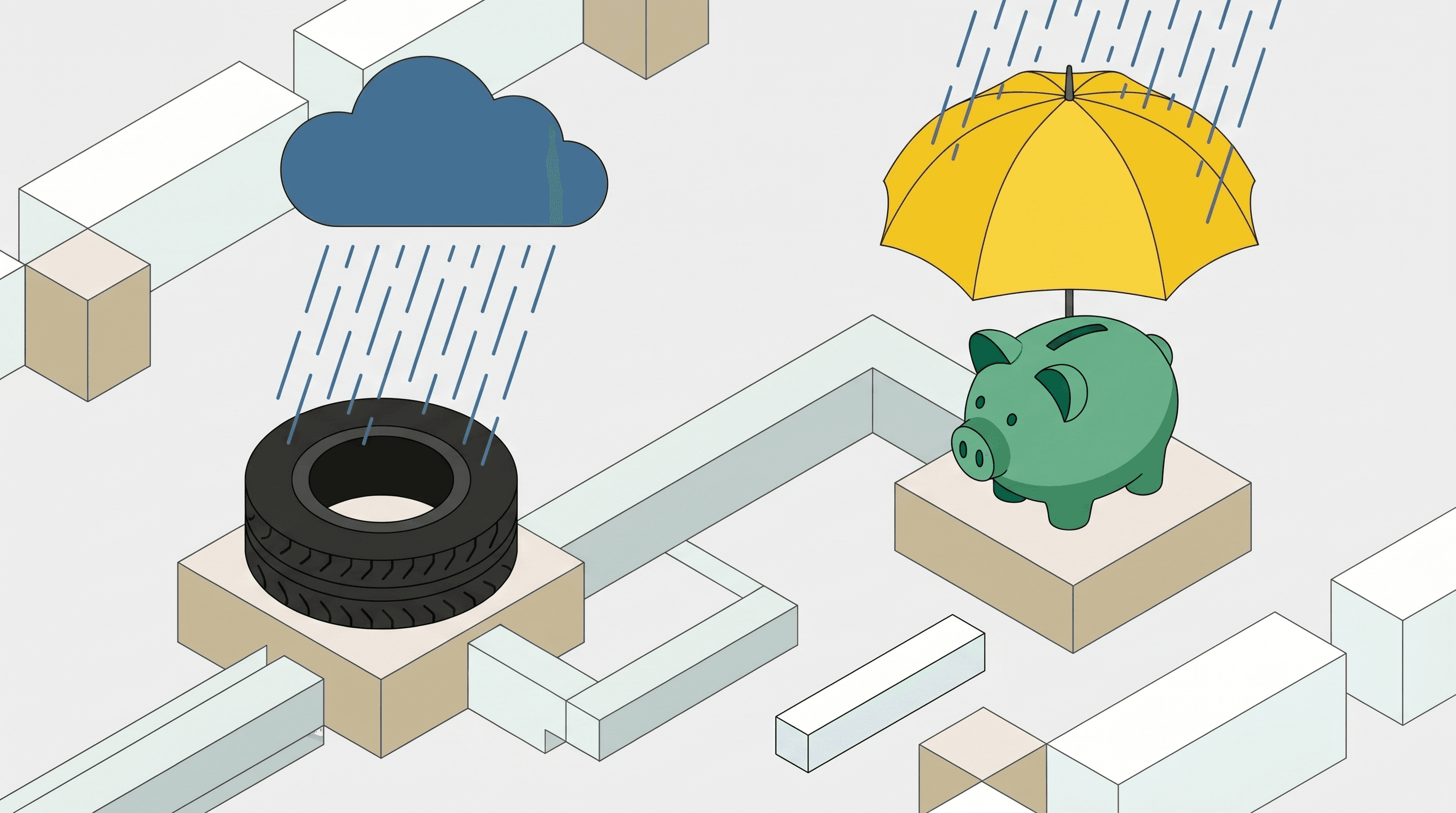
A rainy day fund is a small, highly liquid savings reserve, typically between $500 and $2,000, designed to cover minor, unexpected expenses without forcing reliance on high-interest debt.
In this guide, you will learn how to set realistic savings targets, choose the best accounts for liquidity, and implement automation to reach your goals. Read on to master these essential saving strategies.
Key Takeaways
A rainy day fund acts as a financial buffer for minor, immediate costs like car repairs or small medical bills, preventing reliance on high-interest debt.
Targeting a reserve of $500 to $2,000 provides a focused, achievable goal that covers most one-off surprises without disrupting your budget.
Automating your progress through recurring bank transfers ensures you pay yourself first and build your initial buffer within a few months.
What is a Rainy Day Fund?
Setting aside money for the unexpected is a fundamental step toward financial stability. Unexpected costs are a matter of when, not if, and having a plan in place prevents short-term surprises from turning into long-term debt cycles.
A rainy day fund is a dedicated, easily accessible stash of cash specifically meant for minor, unplanned expenses that fall outside your regular monthly budget. By maintaining this buffer, you can avoid using credit cards or high-interest loans when an immediate payment is required.
By establishing a designated fund, you create a separation between your regular spending and your safety net. This distinction is vital for maintaining long term financial health.
While some use traditional bank accounts, others explore digital dollar options like USD₮ to maintain liquid and accessible savings.
Common Expenses Covered
A rainy day fund typically targets minor, unplanned expenses that are relatively small in scale but need immediate attention. Unlike major life events, these are the hiccups of daily life that occur once or twice a year without warning.
For example, common scenarios include minor car repairs, such as replacing a flat tire or a dead battery. It also covers household needs like a broken microwave, a leaking faucet, or an unexpectedly high utility bill during a particularly cold month.
This fund is also useful for personal needs that cannot wait, such as a sudden co-pay for a dental visit or replacing a broken cell phone screen. Most experts suggest keeping a target amount between $500 and $2,000 to cover these specific types of occurrences.
Why You Need a Rainy Day Fund
Prevent Debt and Financial Stress
Without a liquid reserve, small costs like a car repair or a broken appliance often end up on high-interest credit cards. This creates a cycle of debt that is difficult to escape.
Recent data from Bankrate shows that only about 47% of Americans have enough savings to cover an unexpected $1,000 expense. Breaking this cycle is essential for mental health.
Research from the Federal Reserve indicates that liquid savings are associated with lower financial stress and improved mental well-being. When you have cash ready, you avoid the anxiety of wondering how you will pay for the next month's essentials.
Maintain Your Budget and Financial Goals
Consistency is the foundation of long-term wealth. When an unplanned expense occurs, many are forced to pull money from their rent budget or stop their monthly savings contributions. This derails your financial progress and makes it harder to reach milestones like buying a home.
A rainy day fund acts as a firewall for your budget. It ensures that your long-term goals remain untouched. For example, if you are saving USD₮ in a digital wallet for a future purchase, having a separate rainy day fund can help you avoid dipping into other funds or assets to cover a flat tire.
Provides Financial Flexibility
Liquidity provides the freedom to make choices based on logic rather than desperation. When you are living paycheck to paycheck, you are often forced into expensive short-term solutions. Liquid savings provide the flexibility to shop around for the best repair prices or wait for a better deal.
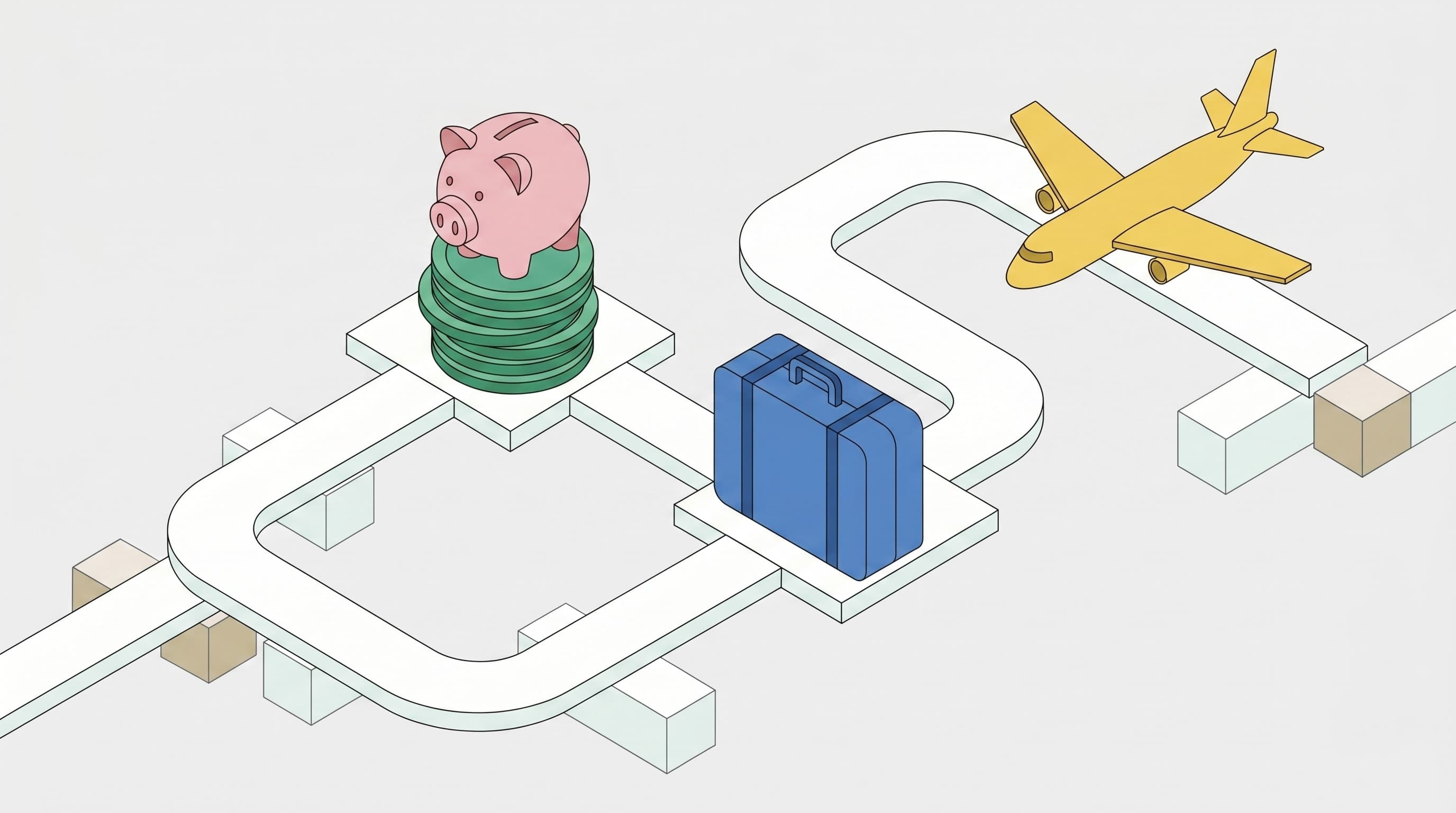
This buffer also allows you to navigate life transitions with ease. Whether it is a sudden trip to visit family or a minor medical bill, having the funds available immediately ensures you stay in control of your money. It is the first step toward a more stable financial future.
How Much to Save in Your Rainy Day Fund
Recommended Savings Range
A standard goal for a starter rainy day fund is usually between $500 and $2,000. This specific range is often enough to cover most one-off surprises, such as a minor car repair or a broken domestic appliance.
Starting with a smaller, achievable target helps you build the necessary momentum and discipline to keep saving.
While a rainy day fund is smaller, it serves as a crucial foundation. In 2024, data showed that 55% of adults reported having enough set aside to cover at least three months of expenses . Aiming for a manageable initial goal ensures you do not get discouraged by more ambitious long term targets.
Assessing Your Personal Situation
Your specific goal should reflect your individual spending habits and income reliability. If you work as a freelancer or have a variable monthly income, you may want to aim for the higher end of the starter range. This provides a buffer for months when your earnings might be lower than expected.
Consider your recurring obligations, such as your rent, groceries, and utilities. If you have older equipment or a high mileage vehicle, your rainy day fund might need more padding to handle the increased risk of maintenance costs.
Tailoring the amount to your physical assets makes the fund more effective.
Rainy Day Fund vs Emergency Fund
It is important to understand that a rainy day fund is not the same as an emergency fund. Rainy day funds cover minor, immediate disruptions, whereas an emergency fund is designed for major catastrophes like a total job loss.
For those larger events, institutions like Fidelity recommend an emergency fund of 3 to 6 months of essential living expenses. Think of your rainy day fund as your first line of defense.
By having a small pool of liquid assets or stablecoin balances, you protect your larger emergency savings from being depleted by small inconveniences. This tiered approach ensures your long-term financial security remains untouched.
Strategies to Build Your Rainy Day Fund
Start Small and Set Realistic Goals
Micro-savings are the foundation of a successful fund. You do not need to set aside hundreds of dollars at once to see progress. For example, saving just $35 per week builds a $1,000 fund in roughly seven months.
This manageable pace prevents you from feeling restricted while still reaching a significant milestone.
Automate Your Savings
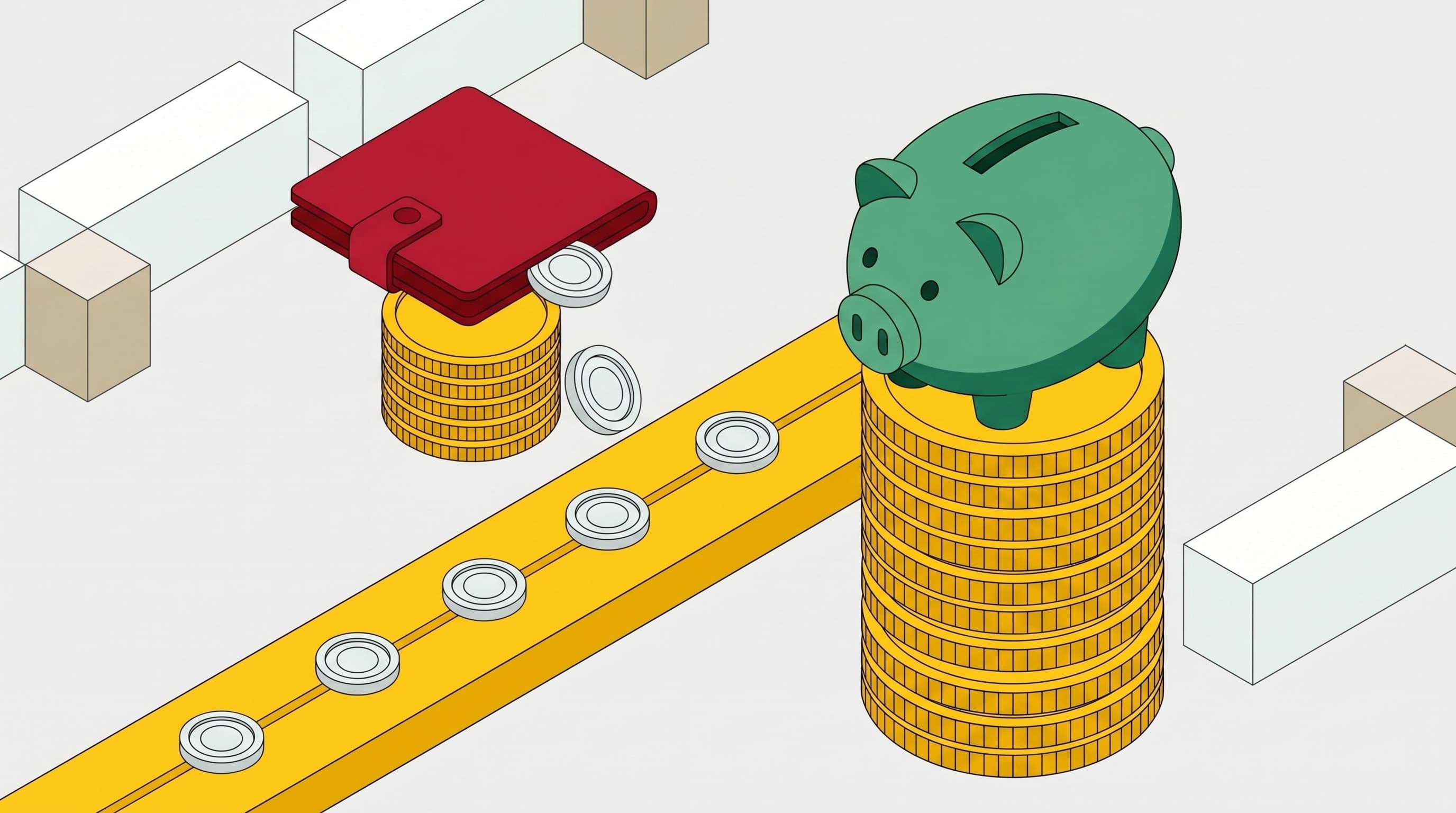
Removing manual effort is the best way to ensure consistency. When you automate your savings, the money moves from your paycheck or checking account before you have the chance to spend it. This makes saving a background process rather than a difficult monthly decision.
Transitioning even a small portion of your digital dollars, such as USD₮, into a dedicated account ensures your rainy day fund grows every time you get paid.
Trim Spending and Redirect Funds
Finding money leaks is a practical way to accelerate your progress. Look for small, recurring costs like unused subscriptions or daily convenience purchases.
Redirecting these small amounts into your savings can bridge the gap during lean times. In 2025, the personal saving rate in the United States hovered between 4% and 5.5%. Identifying and sealing these leaks helps you build your resilience faster.
Use Windfalls Wisely
While habits build the base, using windfalls wisely can provide a major boost. If you receive a tax refund, a work bonus, or a cash gift, consider putting a portion toward your fund immediately.
This allows you to reach your goal months ahead of schedule without impacting your regular monthly budget.
Make Saving a Priority
It is often a trade-off between savings and debt. While high-interest debt should be addressed, maintaining a small cash buffer prevents you from taking on new debt when a small repair arises.
Transitioning from a mindset of spending what is left over to saving first is the most effective way to secure your financial future.
Where to Keep Your Rainy Day Fund
High-Yield Savings Accounts
A High-Yield Savings Account (HYSA) provides a stable balance of safety and growth. These accounts currently offer Annual Percentage Yield (APY) rates between 3% and 5%, which is significantly higher than standard savings accounts.
Your deposits are protected by the Federal Deposit Insurance Corporation (FDIC) up to $250,000 .
Money Market Accounts
Money Market Accounts (MMAs) combine the features of savings and checking accounts. They often provide debit card access or check-writing abilities, allowing you to pay for a repair directly from your fund.
This provides immediate liquidity without waiting for a bank transfer to your primary account.
Separate Checking Accounts
You might consider a separate basic checking account to keep your rainy day fund away from daily spending. While the interest rate will be lower, it creates a psychological barrier that prevents impulse spending. It ensures your small buffer is available for instant use via an ATM in an emergency.
Accounts to Avoid
Avoid putting your rainy day fund into the stock market or long-term certificates of deposit (CDs). Market volatility can cause your balance to drop when you need it most.
Similarly, CDs often charge penalties for early withdrawals, which defeats the purpose of having a liquid fund. You should also be cautious with physical cash at home, as it lacks the insurance protection provided by formal financial institutions.
Tips for Maintaining and Growing Your Rainy Day Fund
Track Your Expenses and Adjust Goals
As your lifestyle evolves, so do your costs. Regularly monitoring your expenses ensures your fund covers modern needs. For those with irregular income or gig work, it is recommended to maintain a separate buffer account holding a few weeks of living expenses to manage lean periods.
Refresh Savings Strategy Over Time
Scaling your savings should happen alongside life changes. If you pay off a debt or receive a raise, reallocate those funds toward your rainy day buffer. This strategy allows you to grow your security net without feeling the pinch in your daily spending habits.
Combine with Long-Term Savings Plans
Maintenance involves moving beyond just cash. Integrating your buffer with modern tools helps your money work harder while remaining accessible. Plasma One is an app and card for saving, spending, sending, and earning with digital dollars in one place.