Managing your finances effectively requires a clear understanding of the specific tools available within the banking system to optimize liquidity and growth.
The four main differences between checking and savings accounts are their primary purpose for spending versus storage, interest earnings potential, frequency of access, and their varying fee structures.
This guide details account definitions, interest rates, and strategic usage to help you manage your money smarter. Continue reading to master your banking setup and avoid common financial pitfalls.
Key Takeaways
Checking accounts function as transactional tools for daily spending and bill payments, offering high liquidity but negligible interest rates averaging 0.07% APY.
Savings accounts are designed for long-term growth, with high-yield options reaching above 4.00% APY, providing significantly better returns than standard accounts.
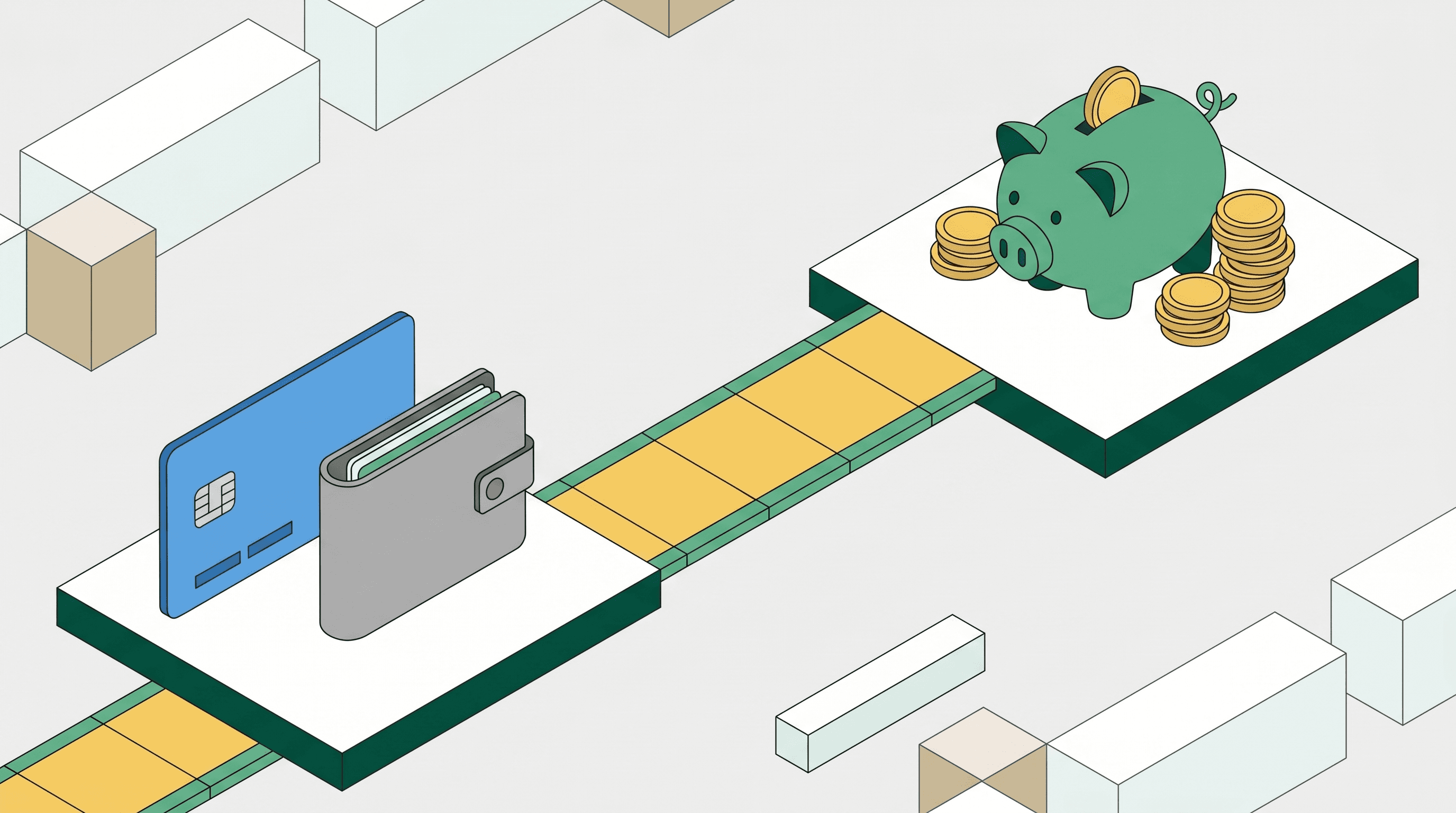
Using checking for spending and moving excess cash to a higher-yield savings account can reduce lost interest on idle cash.
What Are Checking and Savings Accounts?
Definition of a Checking Account
A checking account is a transactional account designed for high-frequency deposits and withdrawals. Also known as a demand deposit account, it allows individuals to keep money accessible for daily needs, such as paying bills and making regular ATM or debit card withdrawals.
Definition of a Savings Account
The FDIC defines a savings account as a vehicle used to set aside money for the future rather than immediate use. These accounts are intended for funds that a depositor does not expect to need on a regular basis, focusing on security and capital preservation for upcoming financial goals.
Key Differences Between Checking and Savings Accounts
Purpose and Usage
Checking accounts serve as a primary hub for cash inflow and outflow, supporting frequent expenditures.
In contrast, savings accounts act as a reservoir for building wealth or emergency funds, utilizing "mental accounting" to separate spending money from long-term reserves to improve self-control.
Interest and Earnings Potential
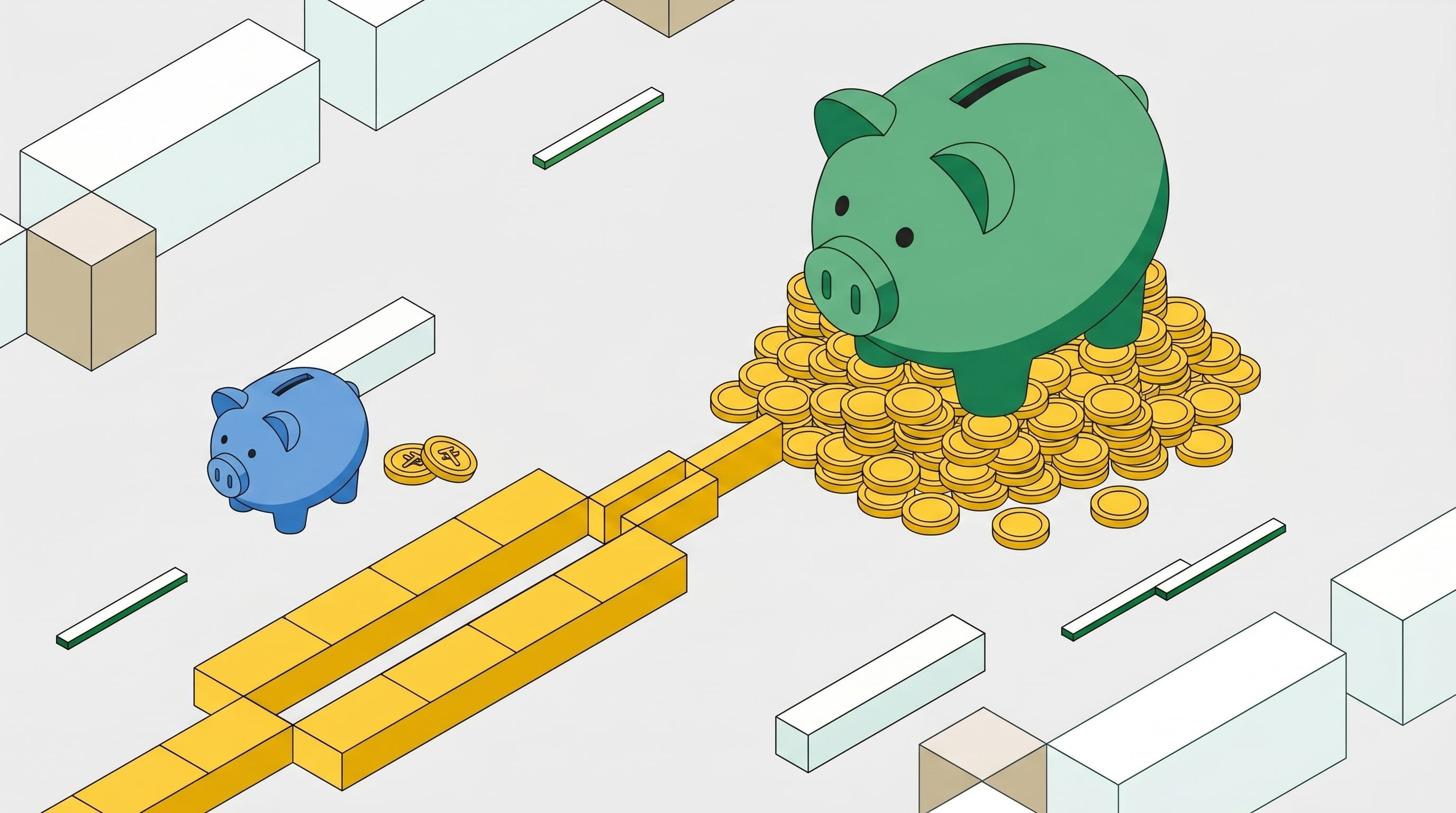
Earnings potential differs greatly. FDIC data shows interest checking accounts averaged 0.07% APY in June 2025, while high-yield savings accounts offered about 4.00% to 4.21% APY in early 2026, creating a large gap in returns on idle cash.
Access and Transaction Limits
Checking accounts offer unlimited transactions for daily commerce via debit cards and checks. While Federal Regulation D no longer enforces a six-withdrawal limit on savings accounts, individual banks may still impose their own monthly transaction caps and charge fees for exceeding them.
Fees and Requirements
Checking accounts often carry monthly service fees, with interest-bearing accounts averaging $15.65 per month, according to Bankrate’s 2025 Checking Account and ATM Fee Survey.
These fees are typically waived by maintaining high balances or setting up direct deposits. Savings accounts may have lower fees but often require minimum balances to remain active or earn top rates.
Features of Checking Accounts
Account Access Options
Modern checking accounts prioritize accessibility through multiple channels. Federal Reserve data show debit cards accounted for about 30% of U.S. consumer payments in 2024. Most accounts also feature mobile app integration, online bill pay, and extensive ATM network access for cash needs.
Types of Checking Accounts
Financial institutions offer specialized versions like student checking, which often waives fees and includes overdraft forgiveness. Other options include senior checking for discounted services, business checking for high-volume needs, and rewards checking that offers cash back for usage.
Pros and Cons
The primary advantage of checking is liquidity, facilitating nearly 88 billion non-prepaid debit card payments annually. The downside is low earnings and high fee risks; Bankrate found the average overdraft fee was $26.77 in 2025, which can quickly erode the balance of a transactional account.
Features of Savings Accounts
Access and Transactions
While savings accounts are less liquid than checking, they remain accessible. Funds can be moved to checking via electronic transfer or mobile apps, though these accounts rarely come with a debit card. This friction is intentional, as it helps discourage impulsive spending of saved capital.
Types of Savings Accounts
High-Yield Savings Accounts (HYSAs) provide variable rates significantly above the national average, often through online-only banks. Other types include Money Market Accounts, which may offer check-writing privileges, and Certificates of Deposit (CDs), which lock funds for a fixed term and rate.
Pros and Cons
Savings accounts excel at compound growth, especially with top-tier HYSAs offering competitive yields. However, standard savings accounts at traditional banks often provide very low interest rates that may not keep pace with inflation, and some banks still limit monthly withdrawals to six.
Choosing the Right Account for You
When to Use a Checking Account
A checking account is the correct choice for money earmarked for immediate obligations. Use a checking account to receive your salary and pay for essentials like rent, groceries, and utilities. Its design ensures you can access your total balance at any moment without penalty or restriction.
When to Use a Savings Account
Reserve your savings account for funds not needed for at least several months. It is the ideal place for an emergency fund or a house down payment, providing a secure environment where interest can accumulate. This separation ensures your future goals are not compromised by daily spending.
Why Having Both Accounts is Advantageous
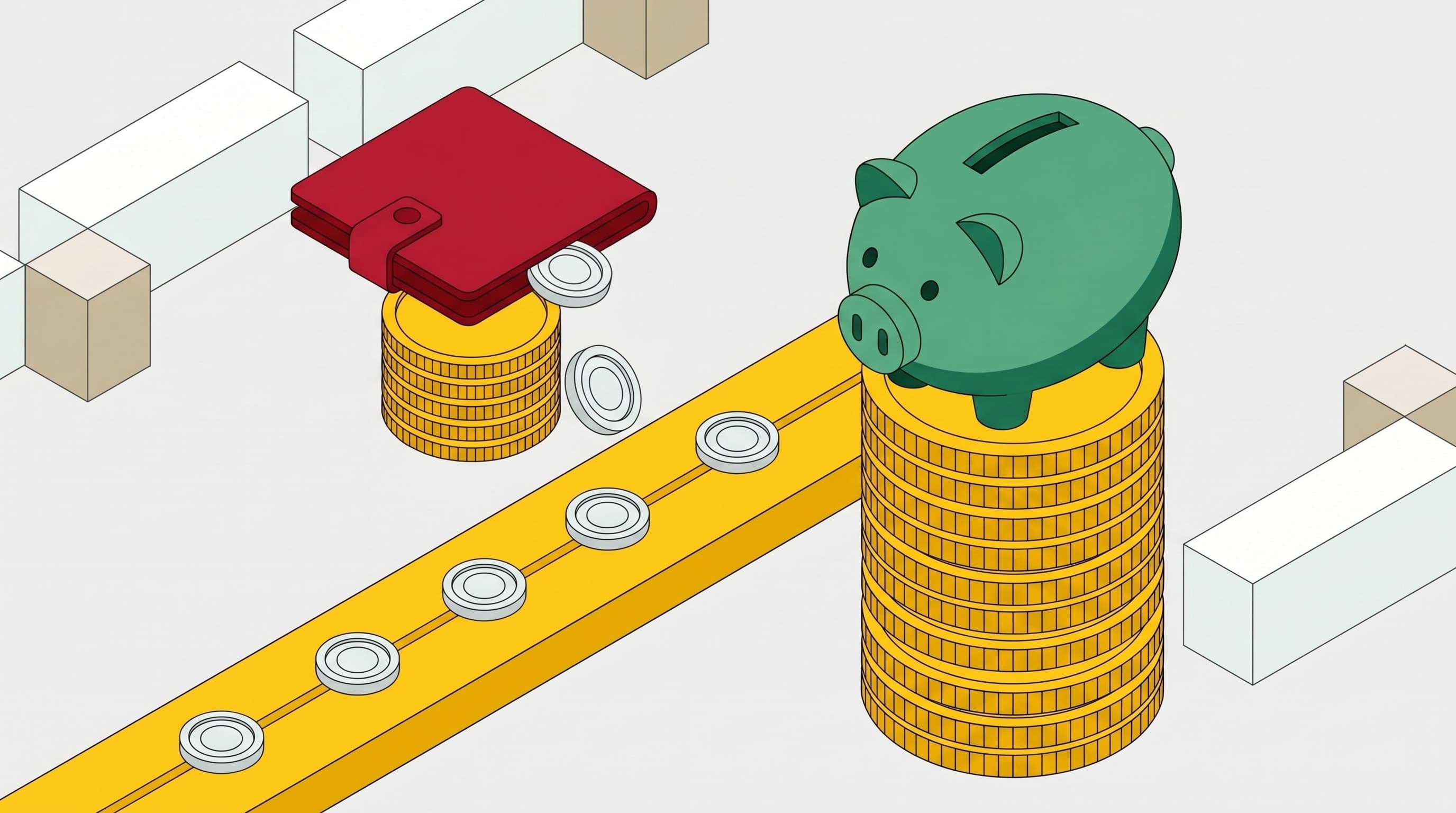
Maintaining both accounts allows you to optimize liquidity while maximizing interest income. By keeping only what you need for monthly expenses in checking and transferring the rest to an HYSA, you avoid "cash drag," which can cost depositors hundreds of dollars in lost interest annually.
Security and Protection Features
FDIC and NCUA Insurance
Bank deposits are insured by the FDIC, while credit union deposits are covered by the NCUA. This protection covers up to $250,000 per depositor, per institution. It is important to note that checking and savings accounts under the same name are combined toward this single $250,000 limit.
Fraud Protection, Online Security, and Identity Safeguards
Banks employ advanced encryption and multi-factor authentication to protect digital access. Most checking accounts offer robust fraud monitoring and zero-liability policies for unauthorized debit card transactions, providing a safety net for consumers who use their accounts frequently for commerce.
Maximizing Your Accounts
Tips for Avoiding Fees
You can often bypass costs by meeting specific criteria. Bankrate’s 2025 Checking Account and ATM Fee Survey found that 48% of non-interest checking accounts waive monthly fees when customers sign up for direct deposit.
Online banks are another common way to avoid fees, since many offer checking accounts with no monthly maintenance charges or minimum balance rules.
How to Grow Savings With High-Yield Accounts
Strategic movement of cash is essential for growth. High-yield savings accounts at banks like Axos or Vio offered rates up to 4.21% in 2026. Experts like Stephen Kates, CFP, note that even with rate fluctuations, keeping funds in high-yield vehicles remains a superior strategy for savers.
Using Online Tools and Mobile Apps Effectively
Automated transfers can help build your savings without manual effort. Most mobile banking apps allow you to schedule recurring "pay yourself first" transfers from checking to savings. These tools also provide real-time alerts for low balances or large transactions to assist in budgeting.
Optimizing Your Financial Stability
Understanding the structural differences between checking and savings accounts is the foundation of modern money management. By using checking for transactions and high-yield savings for growth, you can give each dollar a clearer role.
Effective banking means balancing immediate access with long-term interest accrual so your cash remains both usable and productive.
For readers exploring digital-dollar alternatives to traditional checking and savings setups, Plasma One is a consumer app built around saving, spending, and transferring stablecoins in one place.