As onchain finance grows, demand for transparent, scalable yield has become universal. Managing returns across multiple chains remains complex, with users and developers juggling fragmented strategies and protocols.
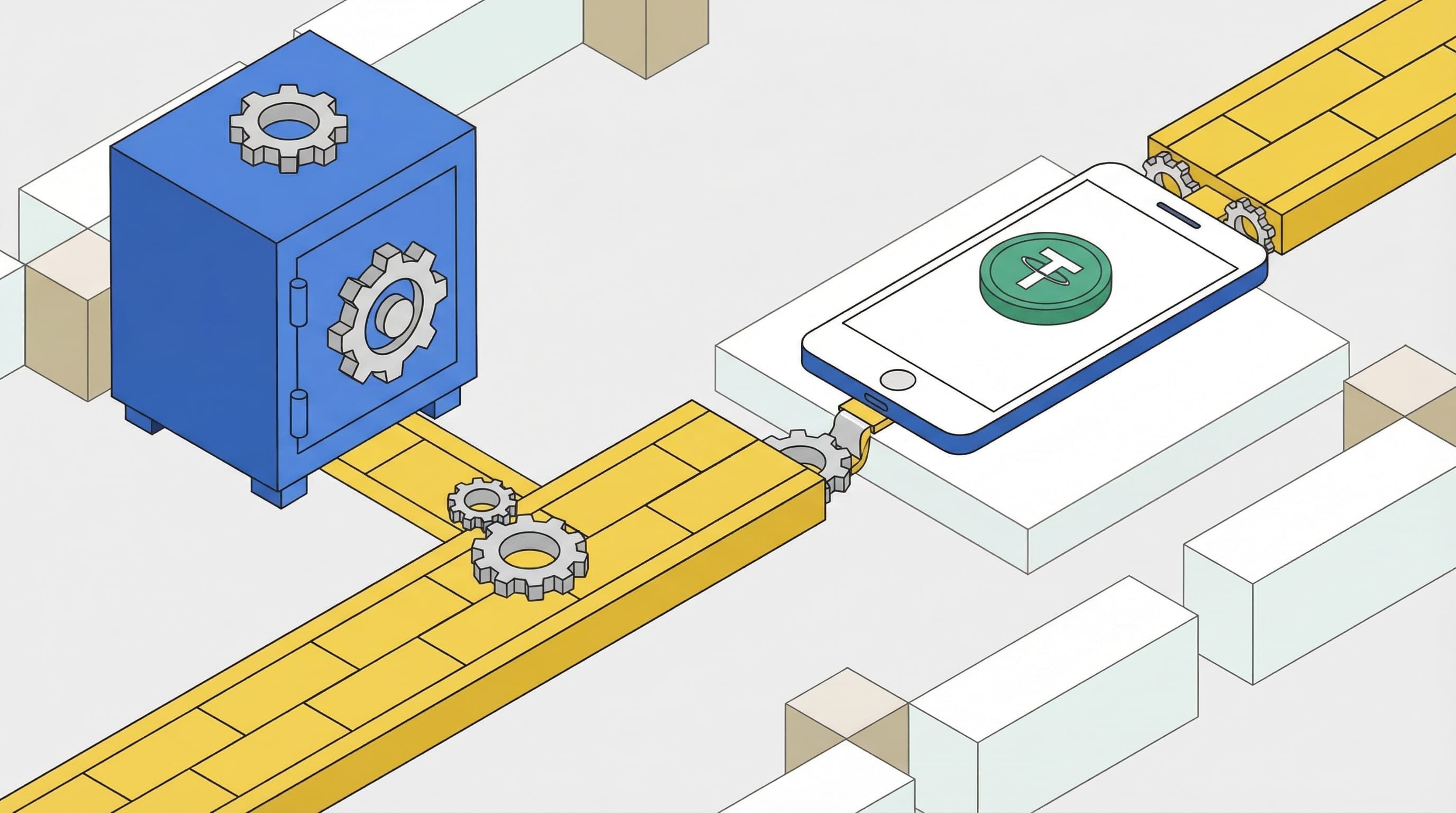
Veda simplifies this landscape. Veda is a vault infrastructure protocol that enables institutions, asset issuers, and applications to launch customized yield products across networks using secure, modular vault systems.
By embedding yield directly into wallets, stablecoins, and financial apps, Veda bridges the gap between DeFi complexity and mainstream usability. Its architecture aligns naturally with Plasma’s vision of seamless, programmable financial infrastructure at global scale.
The Largest Vault Infrastructure Platform in DeFi
Veda introduces a unified vault layer that turns yield into a scalable, modular component of onchain finance. Rather than building isolated yield protocols, Veda provides the infrastructure for any application, issuer, or chain to create custom yield products natively.
At a glance, Veda’s vault layer delivers:
Standardised vault contracts that protocols can white-label and deploy across chains.
Configurable risk and compliance controls, enabling institutional-grade guardrails.
Cross-chain support, allowing yield products to span multiple networks with one integration.
Optimised yield strategies, allocating deposits across DeFi protocols for efficient return generation.
Developer tooling and SDKs that accelerate launch of new yield-products and markets.
In other words, Veda’s modular vaults allow institutions and consumer platforms to operate within the same ecosystem under different parameters. Each vault can enforce distinct risk limits or transparency rules, allowing the protocol to scale across both retail and institutional users.
This represents a shift in how DeFi yield is delivered. Instead of routing funds between protocols, Veda standardizes how yield is created, distributed, and embedded into applications.
How Veda Works
Veda’s architecture turns complex DeFi yield generation into a seamless, programmable process. It combines onchain smart contracts, automated allocation engines, and configurable risk parameters to deliver yield as infrastructure rather than a single protocol.
At a glance, Veda operates through the following flow:
Onchain deposits: Users or protocols supply assets into a Veda vault, initiating exposure to predefined yield strategies.
Vault issuance: Depositors receive vault shares representing proportional ownership of the vault’s underlying strategy.
Strategy execution: Automated modules allocate capital across integrated yield venues such as lending markets, DEXs, or restaking systems.
Risk governance: Permission layers, whitelists, and strategy blocks maintain compliance and define exposure boundaries.
Cross-chain deployment: Developers can replicate vaults across networks, synchronizing governance and reporting across ecosystems.
Composability: Vault shares remain liquid and can be integrated into other DeFi products or used as collateral.
Within this system, each vault acts as an autonomous financial engine. Deposited assets are algorithmically distributed among supported strategies, with real-time optimization to balance returns and risk exposure. This allows Veda to operate like a dynamic, onchain portfolio manager.
Veda’s cross-chain nature extends these capabilities across multiple blockchains. Vaults can be deployed on new networks without rebuilding core infrastructure, keeping configuration and data unified. This design enables consistent yield products across ecosystems with minimal friction.
How Plasma Works with Veda
Veda has been a day-one infrastructure partner with Plasma, underpinning the vault architecture that enabled Plasma’s XPL token public sale. Deposits made into the sale’s vaults used Veda’s audited contracts to allocate capital, aligning yield-mechanics with network bootstrap participation.
Since then, Plasma’s feeless, high-throughput architecture has allowed Veda vaults to operate with unprecedented efficiency. Users can earn and compound returns on stablecoins or other supported assets without incurring transaction costs or latency common on general L1 networks.
This partnership unites network performance with user optionality, enabling both sophisticated markets and emerging ecosystems to benefit from programmable, transparent yield.