Stablecoins are moving from pilots to production, and institutions need clear controls to keep funds safe.
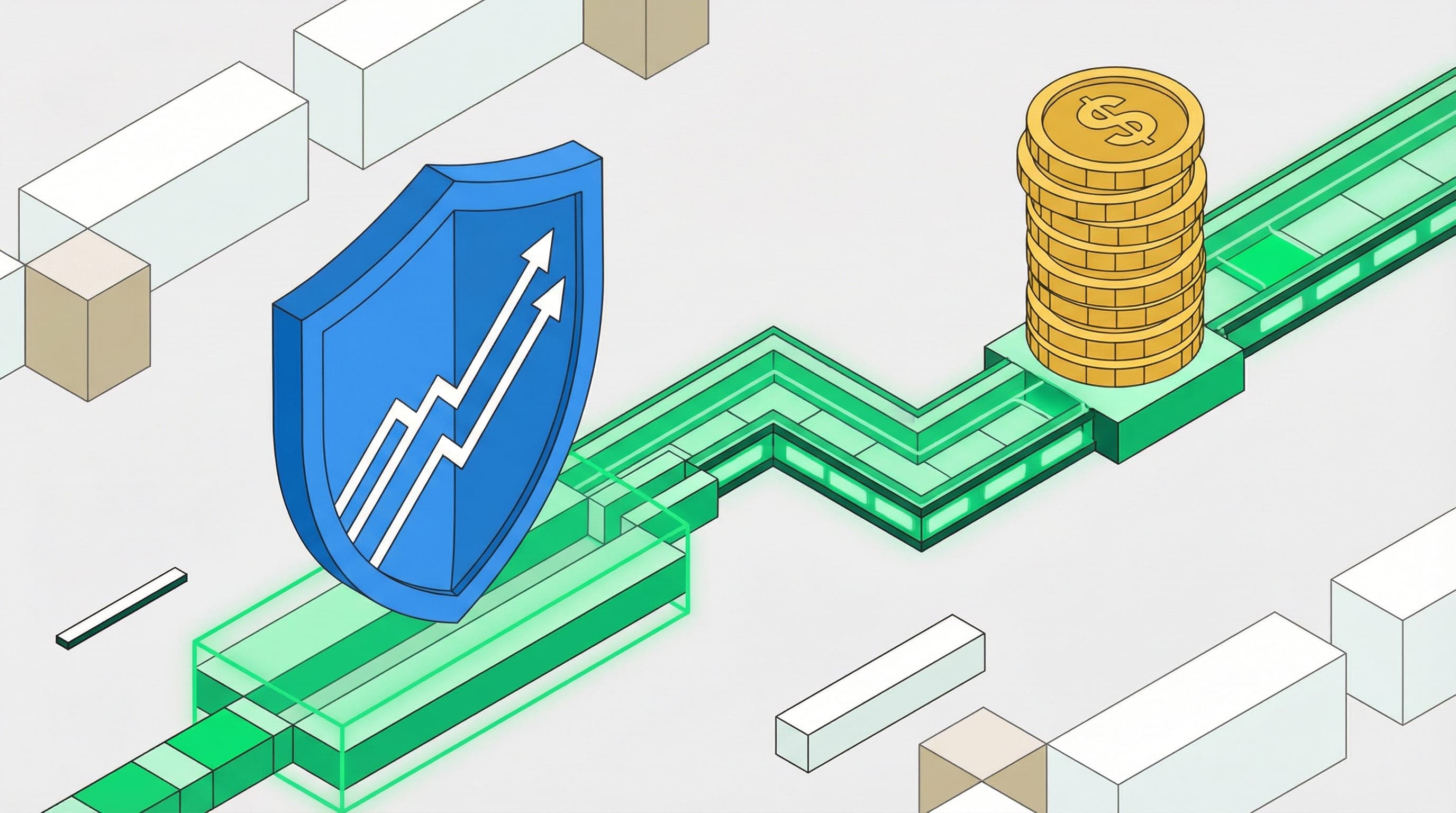
Fireblocks processes ~15% of global stablecoin volume, more than 35M transactions per month (Nov 2025). At that scale, robust custody, policy controls, and auditability become the baseline for safe adoption.
In short, Fireblocks is an enterprise platform for custody, transfers, and payments. It secures operations for 2,400+ institutions and powers high-frequency stablecoin flows.
This guide explains what Fireblocks is, how its security and policy stack works, and how it fits with Plasma to help teams move USD₮ safely at scale.
What is Fireblocks?
Fireblocks is an enterprise platform for operating digital assets and stablecoins. It gives institutions a single console and API to store, move, and manage funds with separation of duties, approval workflows, and full audit trails.
It supports workspace segmentation (per team or subsidiary), role-based access, address books and allowlists, destination checks, automated treasury tasks like sweeps and rebalancing, and developer tooling such as SDKs and webhooks.
How Fireblocks Works
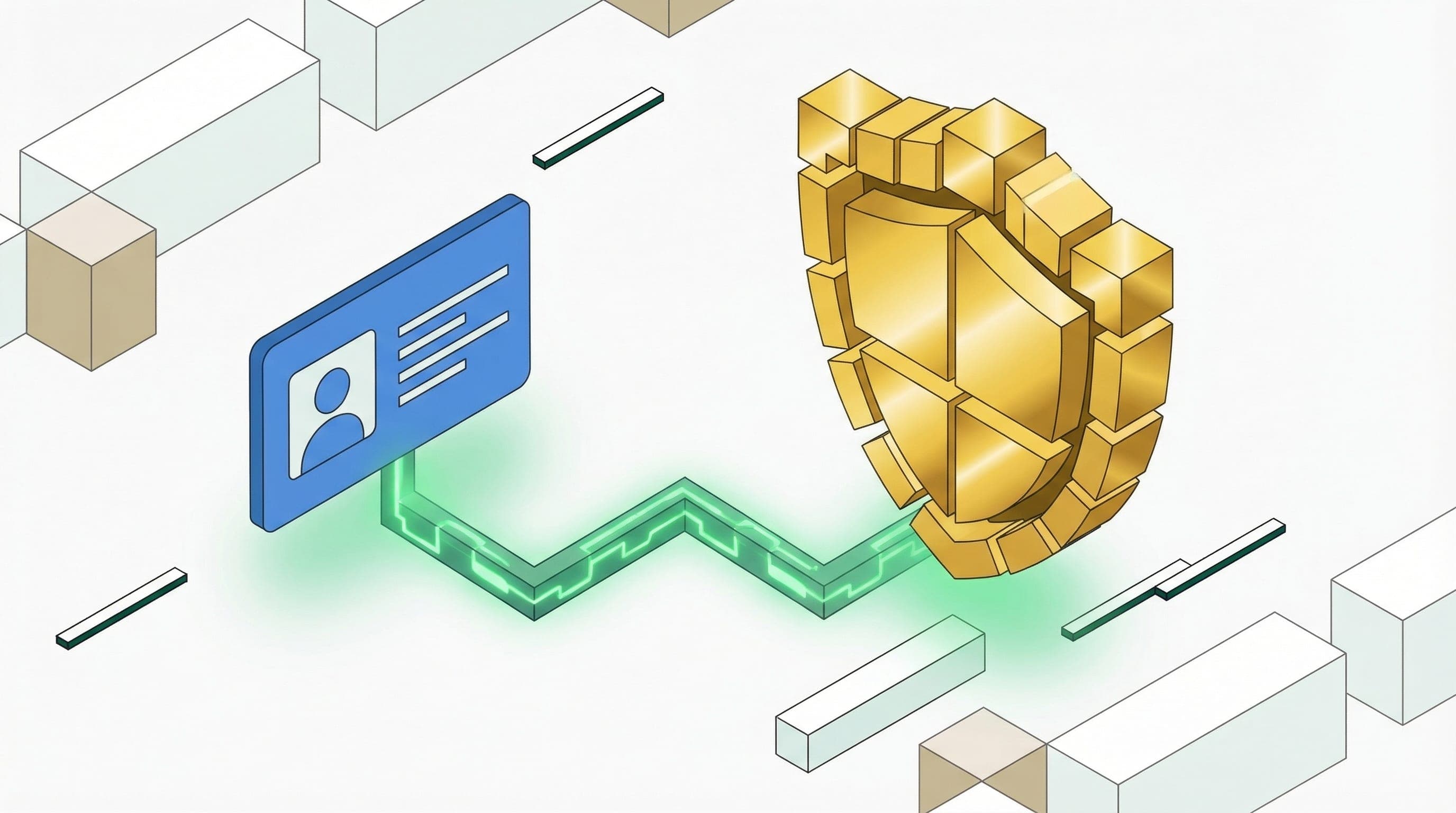
Fireblocks uses MPC-CMP to protect signing keys. The private key is split into pieces that live on separate devices or services. No location holds the full key. When a transfer is approved, each piece signs its part, and the system combines the results to produce a valid signature.
A policy engine governs every move. Teams set roles, limits, and approval thresholds. You can require multiple approvers for large amounts, restrict destinations to an allowlist, cap daily or per-transaction amounts, and record everything in an audit log.
Transfers follow a simple path: an operator submits a request, Fireblocks checks policy and destination rules, approvers sign, then the platform broadcasts and logs the transaction. You can see who proposed, who approved, and when it settled.
Address books and destination checks reduce errors. Save approved counterparties with labels; validation and test sends block typos and unapproved destinations. Treasury automation handles sweeps, rebalancing, and alerts, and APIs or webhooks can trigger these from your systems.
Fireblocks connects participants through a payments network. One connection reaches vetted counterparties across many countries and currencies, so routing stays simple and operations remain repeatable.
For continuity, Fireblocks supports recoverability and segmentation. Key shares can be distributed across clouds or regions. Workspaces separate teams or entities so each unit has its own policies, approvers, and address books.
How Fireblocks fits into Plasma
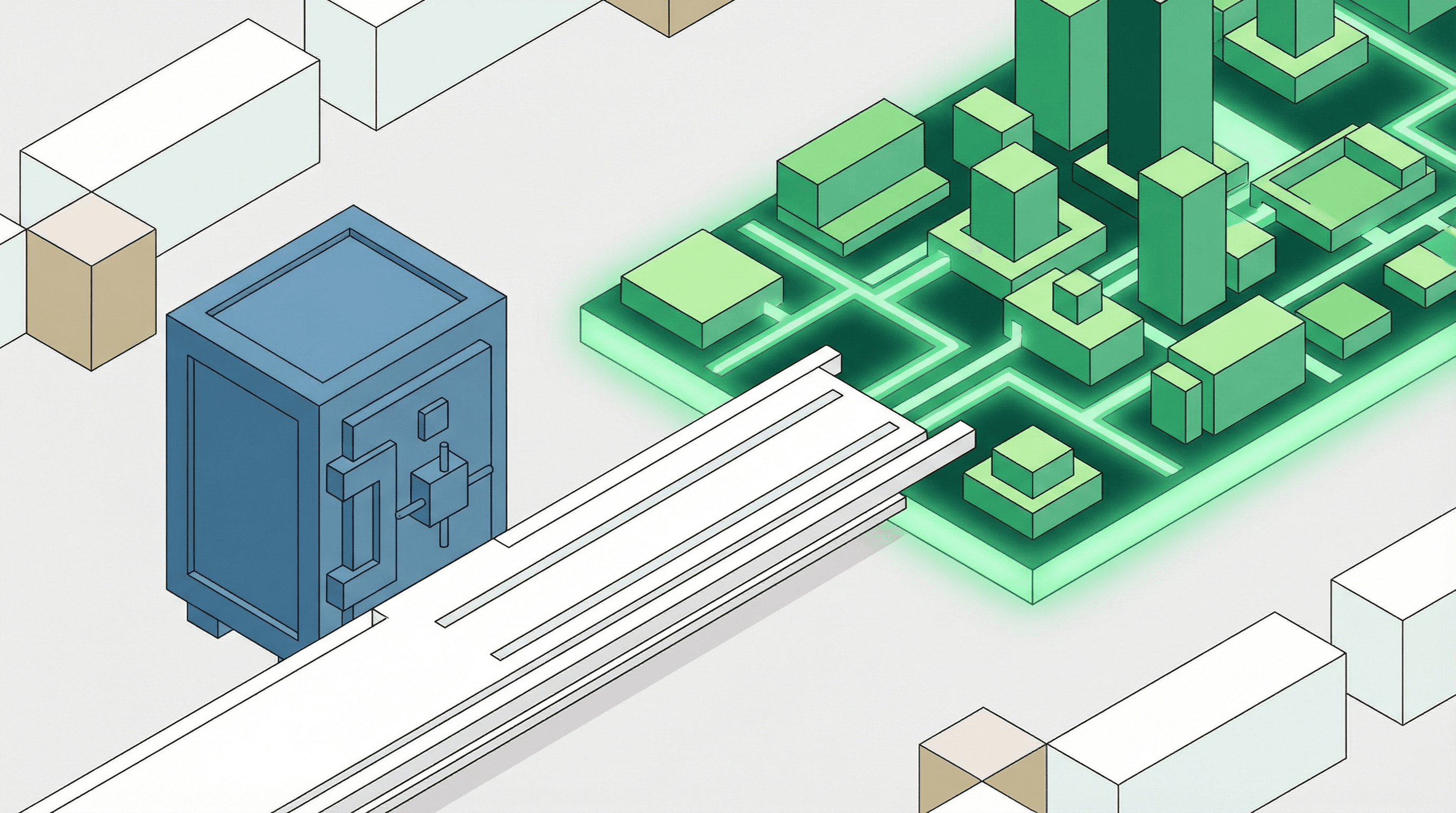
Fireblocks serves as the custody and operations layer for teams settling on Plasma. Institutions can hold and move USD₮ on Plasma while enforcing roles, limits, approvals, and allowlists through Fireblocks’ policy engine.
This pairing lets Plasma’s speed and low costs handle settlement, while Fireblocks supplies the enterprise controls that large organizations expect.
Practical impact, by role:
For end users, funds at apps and merchants sit behind institutional controls, so payouts and refunds are executed with approvals, destination checks, and clear records. This improves reliability and reduces errors that affect customers.
For business leaders, finance and operations teams can define roles, limits, and approval thresholds that match internal policy. They can scale volumes while maintaining oversight, with a full audit trail that supports reviews and compliance.
For developers, a well-documented stack, SDKs, and a vetted counterparty network shorten time to market for stablecoin features. Teams can focus on product while relying on standardized policies, address books, and automated treasury tasks.
Overall, the partnership makes Plasma more institution-ready: developers keep the chain’s performance benefits, and organizations gain custody and control features that match internal policies and reviews.
Conclusion
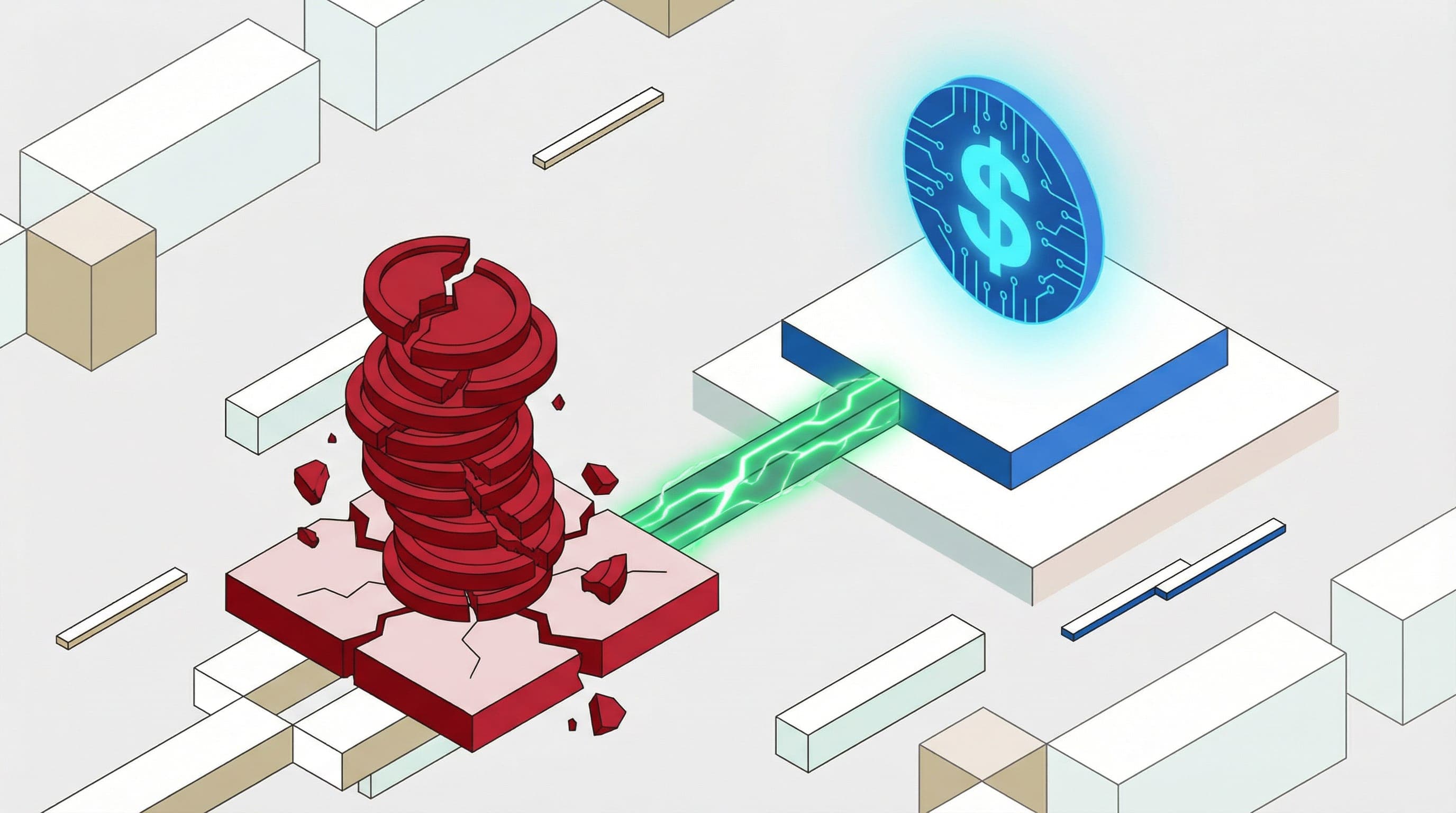
Fireblocks and Plasma combine security and speed. Fireblocks brings MPC custody, policy controls, and a payments network; Plasma brings near-instant, zero-fee USD₮ transfers and an execution environment built for payments.
Together, teams can ship production-grade stablecoin apps with clearer risk controls and simpler operations.
To get started, explore Fireblocks for custody and payments, then deploy on Plasma Mainnet or Testnet. Set roles and limits, connect providers via the Network for Payments, and pilot a simple payouts or refunds flow in USD₮. Get started on Plasma today.
This article is for educational purposes. It is not legal, tax, or investment advice.