Synthetic assets and stablecoins serve different functions. Understanding a product requires examining its backing, redemption terms, and the strategy used to generate any returns.
Axis distinguishes USDx, a synthetic asset minted through authorized orders, from sUSDx, a separate tokenized vault position. The products depend on trading, custody, counterparties and contract rules; a market-neutral strategy is not a guarantee of positive returns.
Backing and Custody
Axis’s backing includes actively managed trading inventory and hedge positions. Onchain token records and disclosures do not mean all custody, strategy execution or reserve assets are onchain.
How Axis Works
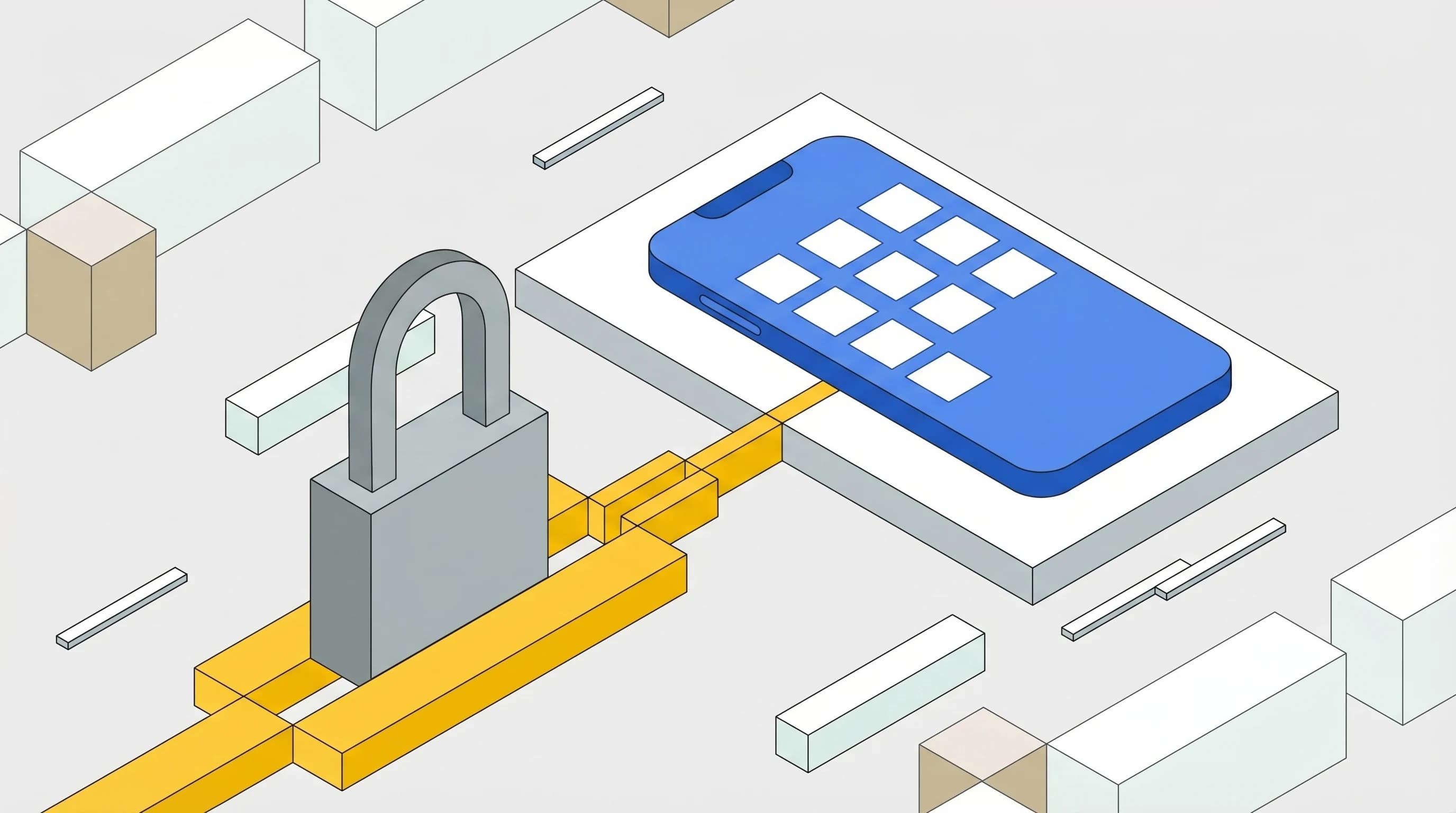
Contracts govern minting, redemption, staking and access rules, while the backing’s trading and custody are directed offchain. The two layers introduce different controls and dependencies.
Minting: Supported assets and signed orders are handled under the system’s authorization rules.
Vault position: sUSDx is distinct from the USDx synthetic token.
Strategy: Offchain trading and custody create market, basis, funding, venue and counterparty risks.
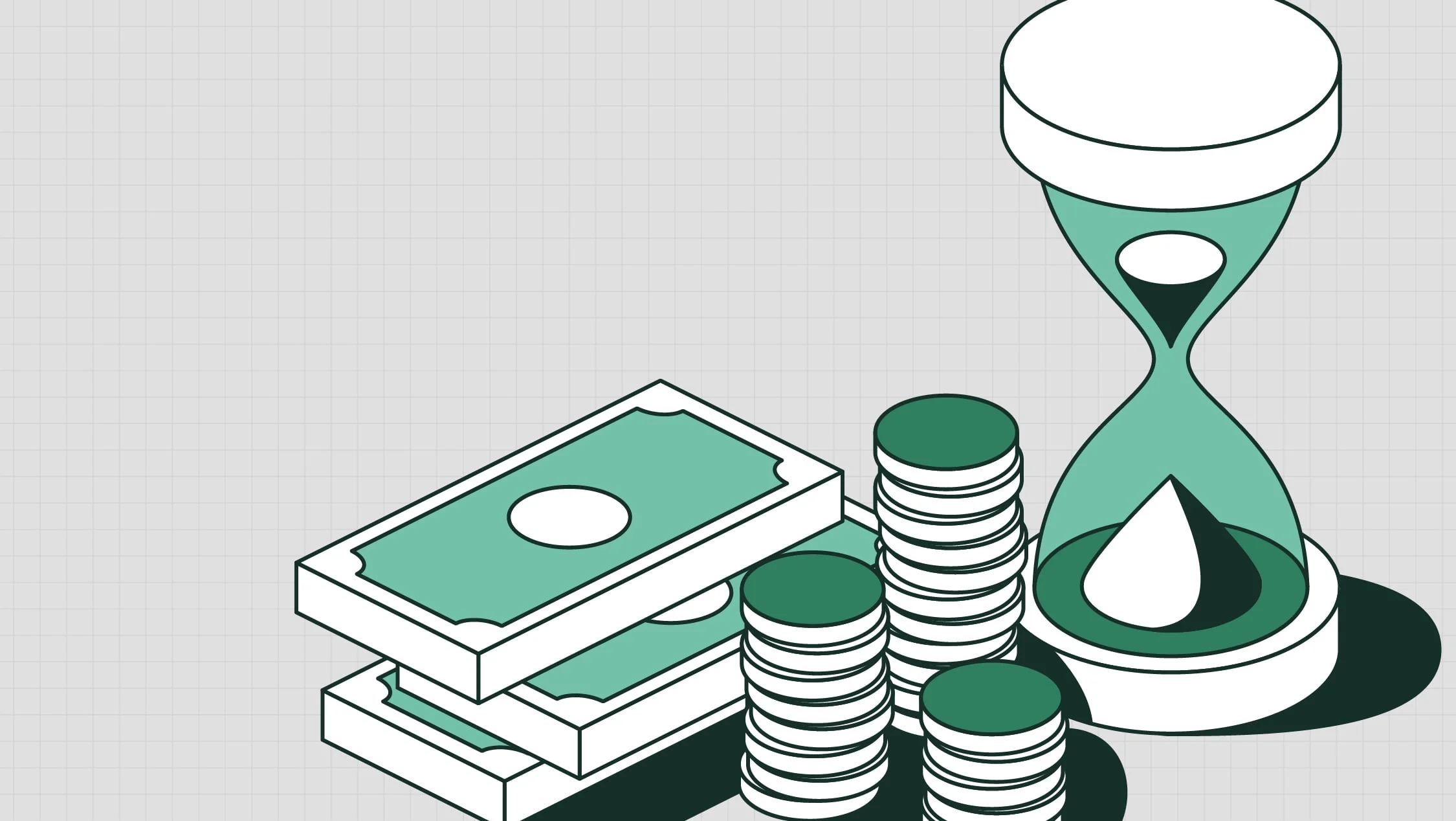
Redemption: Terms, available assets and any cooldown affect access; return of principal or positive yield is not guaranteed.
Assess token contracts, offchain custody, counterparties, permissions and redemption terms separately. A mint-and-redeem interface does not establish that all backing and fund behavior are visible or controlled onchain.