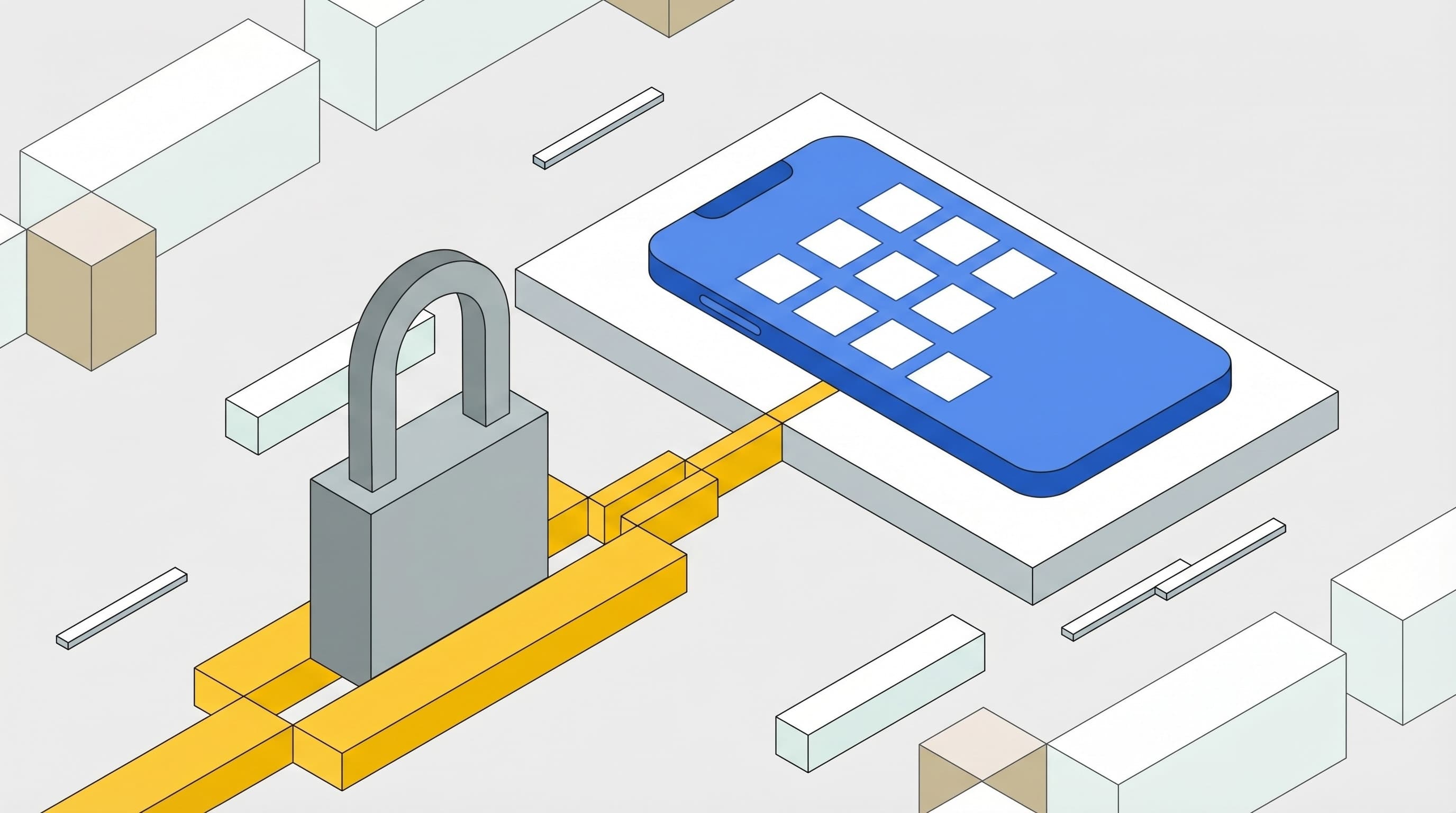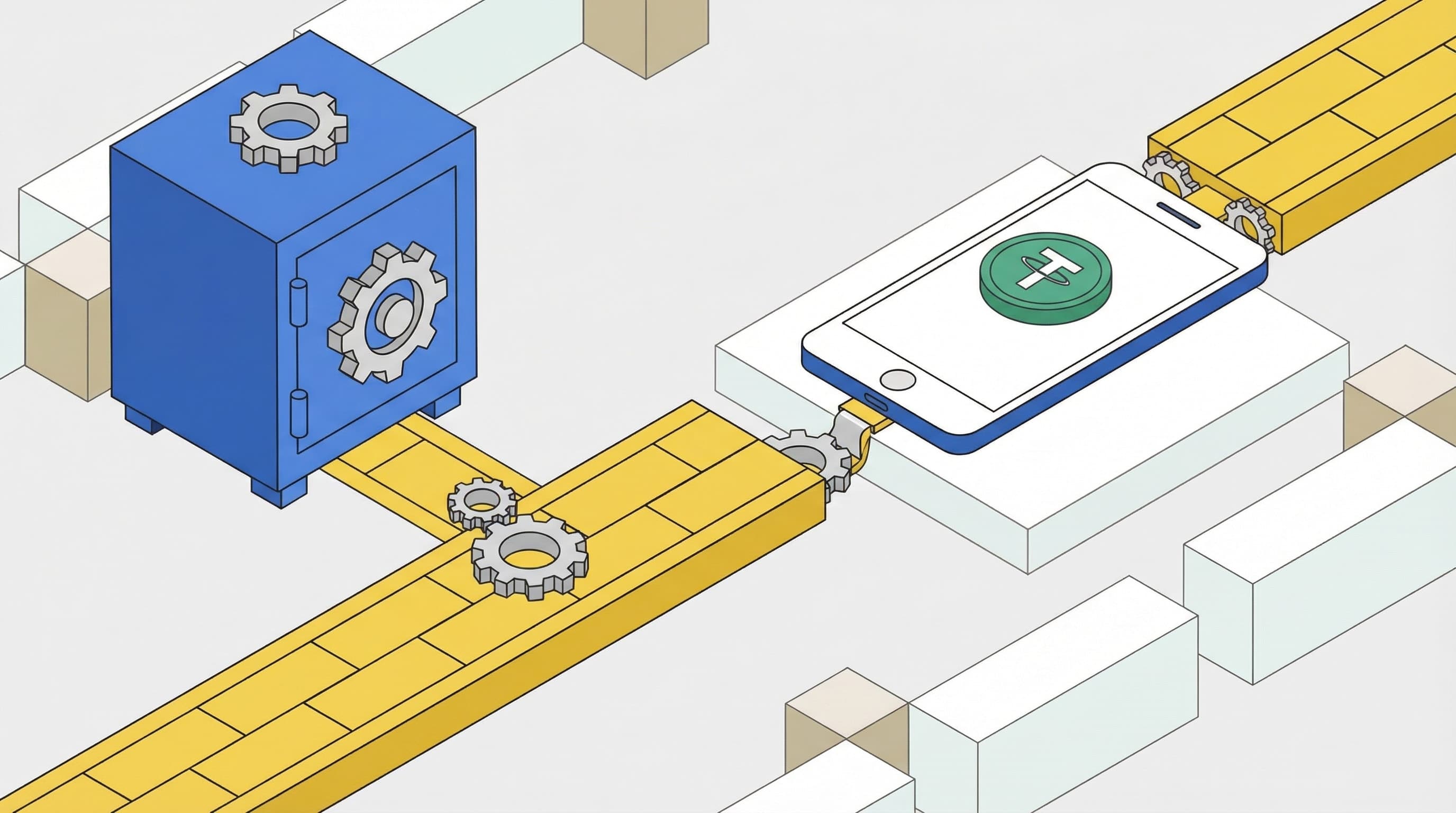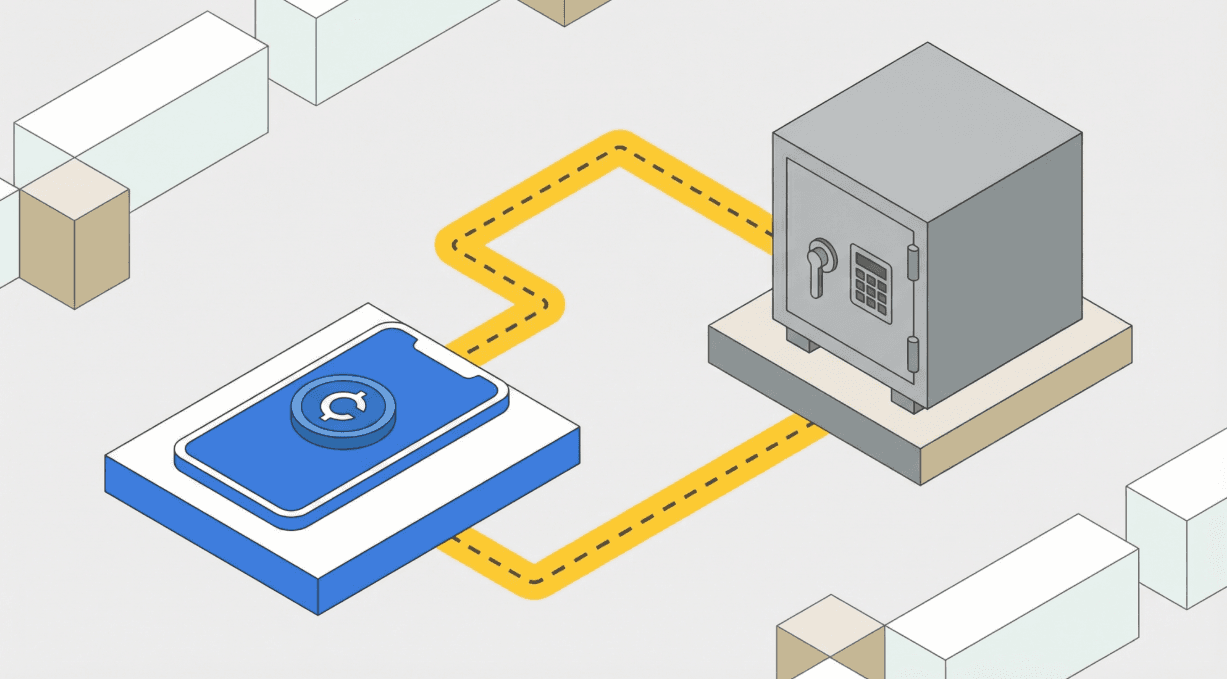
Owning cryptocurrency means taking responsibility for your own money. Unlike a traditional bank account where a third party protects your funds, crypto requires you to be your own security guard.
Understanding the crypto wallets available is the first step to keeping your digital wealth safe. Their design differs based on custody type, connectivity (hot vs cold), and format (software vs hardware), offering varying levels of security and convenience.
In this guide, you will explore the primary types of crypto wallets that are available. You will learn how they work, the specific pros and cons of each design, and how to select the right crypto storage solution for your needs.
Key Takeaways
Crypto wallets store the digital keys needed to access and move your funds on the blockchain.
Hot wallets are connected to the internet for fast transactions, while cold wallets are offline devices used for maximum security.
Choosing between a custodial wallet and a non-custodial wallet – where you hold the keys – is the most important security decision you will make.
What Is a Crypto Wallet?
How a Crypto Wallet Works
A common misconception is that a crypto wallet stores your digital coins inside it, like a physical wallet stores cash. In reality, a crypto wallet stores “keys” – cryptographic passwords that prove you own the assets living on the blockchain.
When you want to send a transaction, your wallet uses your private key to “sign” a digital message. This signature tells the blockchain network that you have the authority to move funds from a specific address.
Why Crypto Wallets Matter in the Blockchain Ecosystem
Wallets are your interface for interacting with blockchain networks. Without a wallet, you would be unable to send assets such as BTC or interact with decentralized applications (dApps).
Your crypto wallet acts as a dashboard for managing your portfolio, allowing you to view balances and transaction histories. Modern wallets also serve as a digital passport, allowing you to log in to Web3 services without creating an account.
Key Concepts Before Choosing a Wallet
Public Key vs Private Key
Every wallet generates a pair of keys. The public key is like your email address or bank account number; you can share it with anyone to receive funds.
The private key is like your email password or PIN. It grants full access to the funds. If someone else gets your private key, they can drain your wallet instantly, so it must never be shared.
Recovery Phrase (Seed Phrase)
A recovery phrase, often called a seed phrase, is a list of 12 to 24 random words generated when you first set up a wallet. This phrase is a human-readable backup of your private keys.
If you lose your phone or break your hardware wallet, you can enter this phrase into a new device to restore your funds. However, if you lose this phrase and lose access to your wallet – such as by accidentally deleting the app – your crypto is gone forever.
In this scenario, your crypto is not technically “gone” since the assets stored in your wallet will remain there, even if you lose the private key. But since you will be unable to access these funds, they are to all intents and purposes gone.
Main Types of Crypto Wallets
Custodial vs Non-Custodial Wallets
What Is a Custodial Wallet?
A custodial wallet is typically provided by a centralized crypto exchange such as Coinbase or a neobank such as Revolut. When you create an account, the exchange manages the wallet infrastructure for you.
They hold the private keys, meaning they technically own the crypto on your behalf. This is similar to how a bank holds your money.
The main benefit to this approach is convenience. If you forget your password, you can ask customer support to reset it. This is an entry-level option that’s suited to people who are afraid of losing their own keys.
However, the drawback is counterparty risk. If the exchange goes bankrupt or pauses withdrawals, you may lose access to your funds. You are trusting a third party with your financial sovereignty.
What Is a Non-Custodial Wallet?
A non-custodial wallet (or self-custody wallet) gives you sole control. You own the private keys and the recovery phrase, so no company can freeze your funds.
This approach offers true autonomy and greater privacy. It also allows you to connect directly to blockchain applications to trade, lend, or borrow assets without permission.
The catch with non-custodial wallets is personal responsibility. There is no customer support to call if you lose your seed phrase or send money to the wrong address. You are your own bank.
Software vs Hardware Wallets
What Is a Software Wallet?
A software wallet is a program that lives on an internet-connected device. Because they are connected to the web, software wallets are often referred to as “hot wallets.” They are generally free to download and easy to set up.
Types of Software Wallets
Web Wallets: These run inside your internet browser (e.g. as a Chrome extension). They are incredibly convenient for frequent trading but can be vulnerable to phishing attacks or malware.
Mobile Wallets: These are apps installed on your smartphone. They are great for daily spending and using QR codes for payments, though your crypto is at risk of theft if your phone is stolen and unlocked.
Desktop Wallets: These are software programs downloaded to your computer. They offer a middle ground, being more secure than web wallets but still vulnerable if your computer gets a virus.
What Is a Hardware Wallet?
A hardware wallet is a physical device, often resembling a USB stick. It is a form of cold wallet because it keeps your private keys offline at all times.
Even when you plug it into an infected computer, the keys never leave the device. You physically press buttons on the hardware wallet to approve transactions. Their main advantage is top-tier security. It is virtually impossible for a hacker to steal funds from a hardware wallet remotely.
The limitations with hardware wallets are cost – they typically cost between $70 and $200) – and accessibility. They are less convenient for quick transactions since you must physically have the device with you.
Other Wallet Categories and Variations
Paper Wallets
A paper wallet is simply a piece of paper with your private and public keys printed on it, often as QR codes. It is the ultimate low-tech cold storage.
While unhackable online, paper wallets are risky because paper degrades. Ink can fade, water can destroy it, and if you lose that single piece of paper, your funds are unrecoverable.
Paper wallets are still useful for backing up a seed phrase, but should you choose this option, make two copies of your seed phrase and keep them in separate places to protect against fire, flood, or theft.
Hot Wallets vs Cold Wallets
This distinction refers to internet connectivity. Hot wallets (software) are online and convenient for frequent traders. Cold wallets (hardware/paper) are offline and safer for long-term investors.
Most serious crypto users employ a hybrid strategy: keeping a small amount of “spending money” in a hot wallet and their life savings in a cold wallet.
Multi-Signature and Multi-Chain Wallets
A multi-signature (multi-sig) wallet requires more than one private key to authorize a transaction. For example, a business might require 2 out of 3 partners to sign a transaction before funds can move.
Multi-chain wallets are designed to hold assets from different blockchains such as Bitcoin, Ethereum, and Solana in a single interface. This removes the need to manage a dozen different apps for different coins.
How to Choose the Right Type of Crypto Wallet
Factors to Consider
First, consider your transaction frequency. If you trade daily, the friction of a hardware wallet might be annoying. Second, look at the value of your portfolio. If you hold more crypto than you would be comfortable carrying in cash in your pocket, you should invest in a hardware wallet.
Thirdly, assess your technical comfort. If managing a 24-word recovery phrase terrifies you, a reputable custodial wallet might be the safest option. Finally, consider the reputation of the wallet manufacturer – which holds true in the case of both software and physical wallets.
Matching Wallet Type to Your Needs
For Beginners: A custodial exchange wallet or a user-friendly mobile wallet offers the smoothest learning curve.
For Traders: A browser-based hot wallet allows for instant interaction with exchanges and DeFi protocols.
For Investors: A hardware wallet is the gold standard for securing large sums over months or years.
In reality, there is no reason why you can’t use a non-custodial wallet as a beginner. Provided you take reasonable precautions, such as storing your seed phrase offline in a safe place, you should not be at risk.
It’s rare for crypto users, whether they be beginners or experienced, to lose their funds through hacking or physical loss of the wallet. When the former does occur, it’s usually due to phishing – which is why you should always be careful about the links you click.
The Future of Crypto Wallets
One of the current trends within the crypto wallet space is the transition to “smart wallets” that use Account Abstraction. These wallets allow you to recover your account via email or social media, removing the stress of seed phrases.
With so-called smart wallets, the underlying design is still non-custodial. The difference is that the setup process is simpler, and if you subsequently make a mistake – such as losing your keys – there should still be a way to regain access.
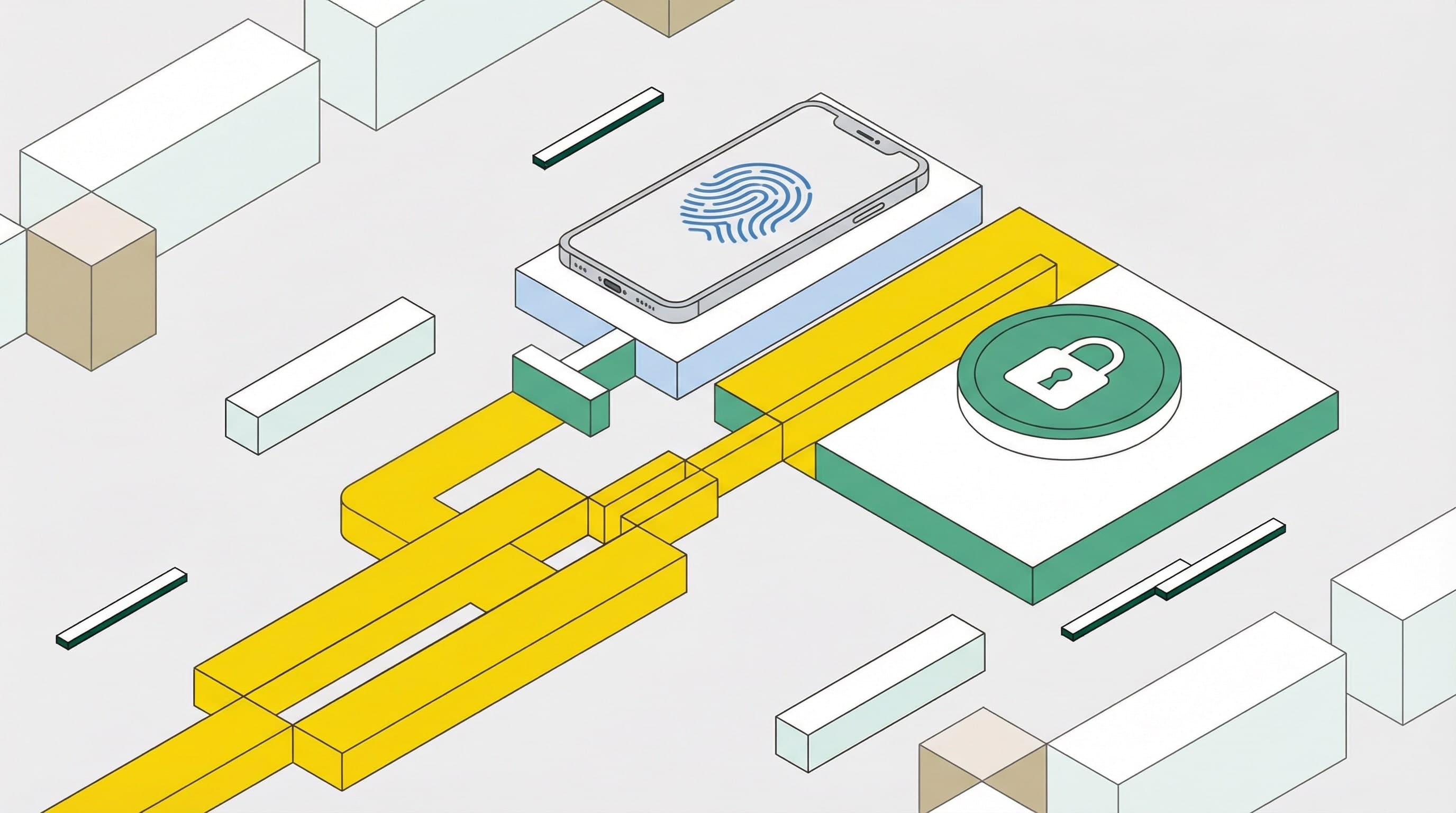
Security is also evolving through innovations like biometric integration, allowing you to sign transactions with a fingerprint or FaceID. Future wallets will be increasingly interoperable, managing identity and assets seamlessly across the entire cross-chain landscape.
Conclusion
Choosing the right crypto wallet is about finding the balance between security and accessibility. Whether you opt for the convenience of a mobile app or the fortress-like security of a hardware device, the most important factor is understanding how your choice protects your private keys.
As wallets evolve, they are becoming more than just storage solutions – they are also becoming payment tools. For this transition to work globally, crypto needs infrastructure that supports fast, low-cost transactions.
Plasma provides the high-performance network required for stablecoin and digital dollar payments, ensuring that when you use your wallet to move money, it happens with maximum speed and maximum security.