As of December 29, 2025, stablecoins total about $308B in market cap, driving a growing requirement for stablecoins, and crypto assets in general, to be transferable across networks.
You can reduce risk when bridging stablecoins by:
Using verified bridges.
Confirming URLs and contracts.
Checking liquidity and fees.
Testing small transfers first.
In this guide, you’ll learn how bridging works, where risks show up, and a step-by-step process to move stablecoins across chains with fewer security, protocol, and operational surprises.
Key Takeaways
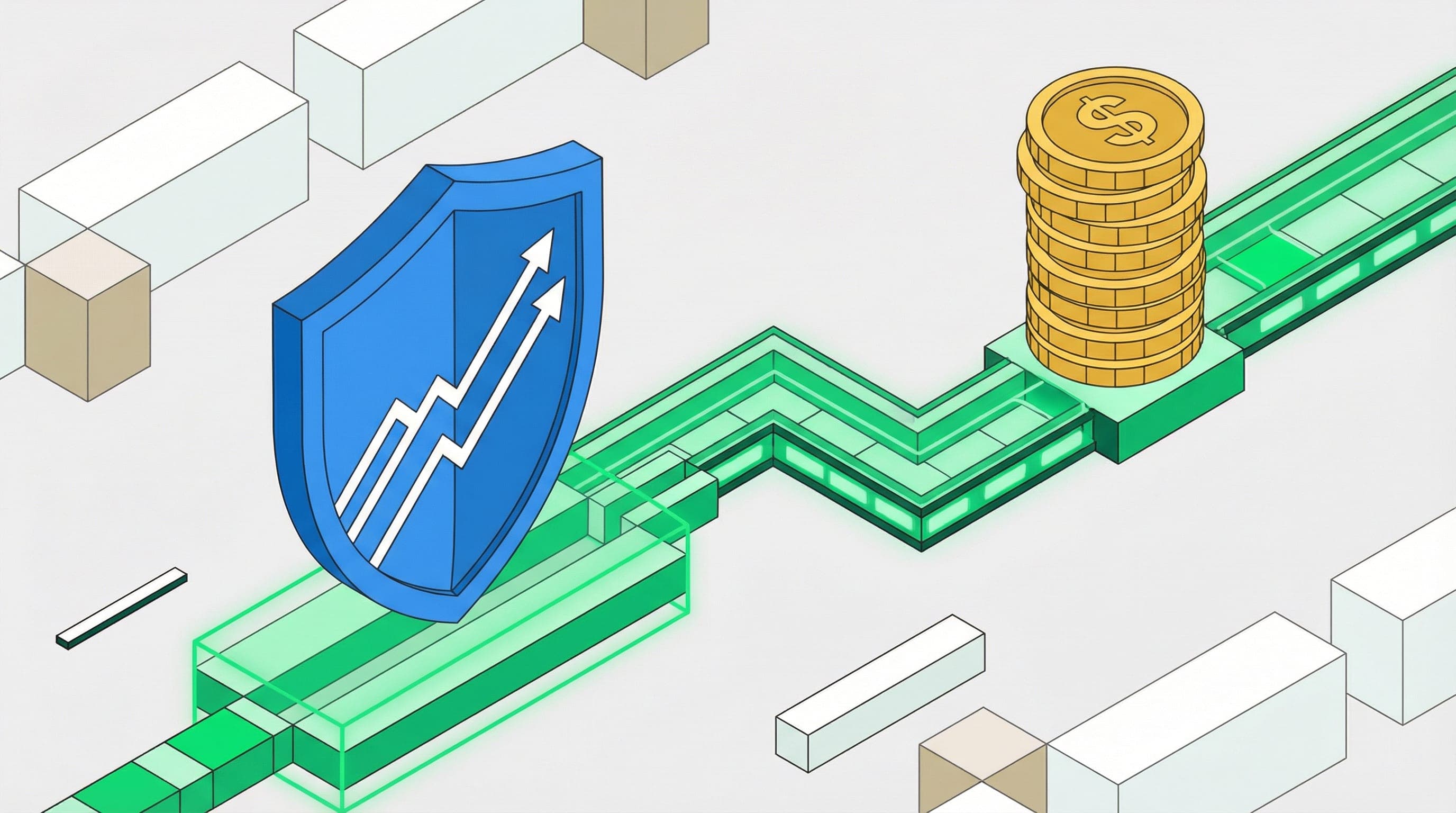
Bridging moves stablecoin value across chains by issuing a wrapped token or routing through liquidity pools.
Stablecoins bridge so users can access different apps, fees, and settlement environments across networks.
Bridging adds extra risk, mainly smart-contract flaws, downtime, and phishing or user error.
What Does It Mean to Bridge Stablecoins?
Bridging is the process of moving a stablecoin value from one blockchain to another. You are not “teleporting” the same token instance across networks. In most cases, you are converting how that value is represented so you can use it on a different chain.
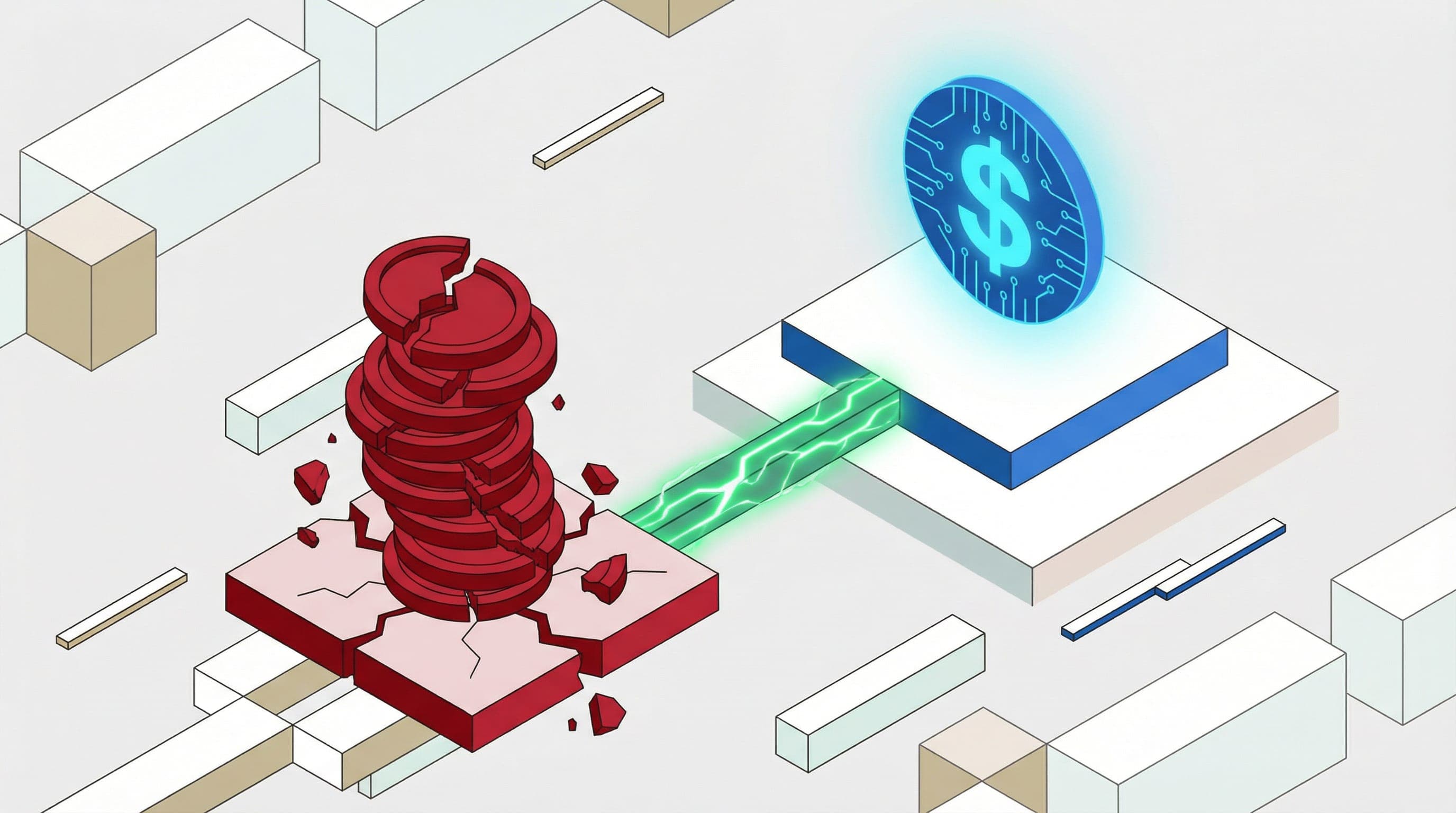
A bridge typically involves one of three outcomes: you receive a wrapped representation of the asset on the destination chain, you receive a native stablecoin via a liquidity route, or you receive native tokens that are minted on the destination chain via issuer/intent-based burn-and-mint.
Safety matters because bridges concentrate risk in a small set of contracts, relayers, and operational controls.
Why Stablecoins Need Cross-Chain Mobility
Stablecoins live on multiple networks because users follow applications and fees. A trader might want low-cost swaps on one chain, while a business might prefer a network optimized for payments and settlement.
Cross-chain mobility keeps stablecoins useful as the ecosystem fragments into specialized environments.
Bridging also supports real-world use cases. Traditional cross-border payments can still be costly and slow in many corridors. For example, global remittance costs have remained meaningfully above a 3% target, and the World Bank reports a 6.49% global average cost for sending $200 (as of March 2025).
Stablecoin rails can be faster and more transparent, but only if users can move stablecoins safely across chains.
The Security Risks Users Face When Bridging
Smart-Contract Vulnerabilities
Bridges are frequent targets because they hold or control large pools of value. In August 2022, it was estimated that $2B was stolen across 13 cross-chain bridge hacks.
Even with better security today, one contract bug can still cause major losses, especially when a bridge holds funds or mints wrapped tokens.
Even when a stablecoin issuer is well known, the bridge route can introduce new risk. Your exposure shifts from the stablecoin to the bridge’s security model.
Bridge Downtime and Congestion
Not all bridging failures are “hacks.” Bridges can pause due to validator issues, chain reorganizations, liquidity shortages, or emergency shutdowns. During volatile markets, congestion can also increase confirmation times and gas costs.
Operational downtime becomes a user risk if you need funds quickly or if a stuck transfer forces you to troubleshoot under pressure.
This matters for stablecoins because many users bridge them as a cash-like asset for payments, payroll, or treasury moves. Delays can turn into real business disruption, even when funds are ultimately safe.
User-Error and Fake dApp Threats
For everyday users, the most common failures are often operational mistakes: wrong network, wrong token, wrong address, or signing a malicious approval.
Separately, phishing remains persistent. As of December 18, 2025, there have been ~158,000 personal wallet compromise incidents in 2025 affecting ~80,000 unique victims and highlighted sophisticated impersonation tactics.
The safest bridge cannot protect you if you connect to a fake site and sign malicious transactions.
The Safest Way to Bridge Your Stablecoins: Core Principles
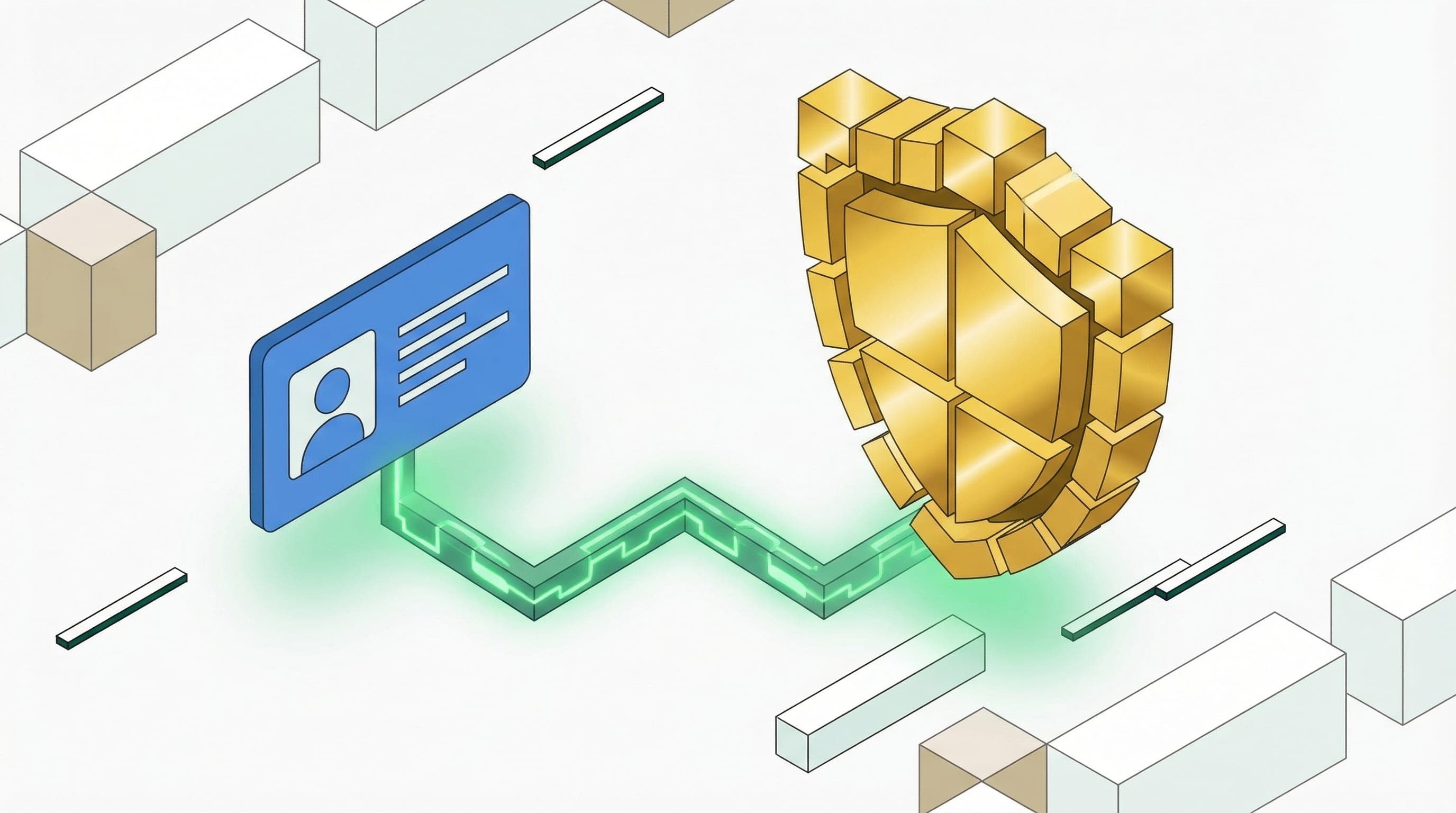
Using Only Verified, Battle-Tested Bridges
Start with reducing unknowns. Prefer bridges that are widely used, actively maintained, and supported by reputable wallets or ecosystem partners. Longevity is not proof of safety, but it can signal that the bridge has faced real-world conditions and scrutiny.
When possible, use routes that minimize custom components. Fewer moving parts means fewer failure modes, especially if you are bridging large balances or using stablecoins operationally.
Checking Trust Signals: Audits, TVL, and Security Track Records
A responsible pre-bridge check includes security and economic signals:
Audits from credible firms (and whether issues were remediated).
Clear documentation of the bridge’s trust model (validators, multisig, light clients, or other designs).
Total value locked (TVL) and liquidity depth as a stress indicator, not a guarantee.
Be cautious with “TVL-only” thinking. High TVL can attract attackers, and low TVL can create liquidity and slippage risks. Use TVL as one input, and always look for incident history and response quality.
Navigating Fees, Gas Requirements, and Network Conditions
Bridging stablecoins can involve multiple fee layers, depending on the route. You typically pay source-chain gas, and you may also pay a bridge or relayer fee and/or a liquidity spread if the transfer uses pools.
Some bridges include the destination-chain execution cost in the quote and relay it for you, but others still require a separate “claim” or destination-side action.
Even when the bridge completes automatically, you can still get “stuck” operationally if you arrive without any destination gas to move or use the funds.
To reduce this risk, keep a small amount of the destination chain’s native token available, or choose routes that support gas drop-off / gas on receive so you land with enough gas to transact.
How to Avoid Impersonator Sites and Phishing Attempts
Phishing prevention is mostly a process. Treat every bridge as a high-risk login moment by typing the URL manually, using bookmarks, or navigating from a wallet’s built-in browser.
You should also cross-check the domain with the project’s official documentation and verify the app’s contract addresses on reputable explorers.
When in doubt, stop. Rushing is the attacker’s advantage.
How Stablecoin Bridging Works (and Where Safety Fits In)
Lock-and-Mint Models
What Gets Locked and How Wrapped Assets Are Issued
In a lock-and-mint design, a bridge locks tokens on the source chain and mints a representation on the destination chain. That representation is often called a wrapped token.
The wrapped asset’s value depends on the bridge’s ability to honor redemption back to the original chain.
For stablecoins, this can mean you lock a canonical stablecoin on Chain A and receive a wrapped stablecoin on Chain B. Your key risk becomes the bridge’s custody and mint logic, not only the stablecoin issuer.
Risks Unique to Custodial vs Non-Custodial Bridges
Bridges differ by who can control the locked funds or authorize minting.
A custodial bridge relies on a company or a small group (often a multisig) to manage the lock-and-mint process. You are trusting their keys and operations, including protection from hacks, insider misuse, and failure during incidents.
A non-custodial bridge aims to remove human control by enforcing transfers through onchain rules and verification (for example, proofs or validator consensus). The trade-off is that more complex code can introduce new bugs and harder-to-audit edge cases.
There is no perfect model, so your goal is to match the bridge’s trust assumptions to your risk tolerance and use case.
Liquidity-Pool-Based Transfers
How Pooled Liquidity Enables Instant Swaps
Liquidity-based routes avoid minting by using pools of liquidity on multiple chains. You send a stablecoin on the source chain, and you receive a stablecoin on the destination chain from a pool. This can feel more like a swap than a bridge, even though it serves the same purpose.
The safety upside is that you may avoid wrapped assets. The trade-off is that your outcome depends on pool health and pricing mechanics.
Slippage, Pool Depth, and Safety Considerations
Liquidity routes carry market-structure risk. Low pool depth can create slippage or partial fills, pool imbalances can worsen pricing at exactly the wrong time, and some routes add intermediate hops that increase failure points.
For stablecoins, slippage is often small in normal conditions, but stress events can change that quickly. Always preview the expected output and check whether you are receiving the stablecoin you actually want, such as USD₮ or USDC.
Step-by-Step: Safest Way to Bridge Your Stablecoins
Preparing Your Wallet and Networks
Before you bridge, make sure your wallet is ready. That means updating it to the latest version, confirming you are using the correct account and hardware wallet settings if applicable, and adding the source and destination networks carefully using reputable references.
Also confirm the chain’s basic security posture. Many networks rely on Proof of Stake consensus, but they can still differ in validator decentralization, client diversity, and operational maturity. A safer bridge experience starts with a stable base chain.
Running Safety Checks Before You Bridge
Confirming the Correct URL and Contract
Your first check is identity. You should confirm the bridge URL from an official source, check the certificate and domain spelling, and verify token contract addresses where relevant, especially on the destination chain.
If you are bridging to receive USD₮, verify you are receiving the intended contract and not a lookalike token. Contract-level mistakes are hard to reverse.
Checking Current Gas Fees and Expected Processing Time
Next, confirm cost and timing. You should check current gas fees on the source chain, confirm whether the bridge requires a claim transaction on the destination chain, and review the estimated time to completion along with any minimum confirmations.
Cross-border payment systems can still be slow in many cases. In 2024, one-third of retail cross-border payments took more than one business day, and costs often exceeded 3% in many corridors.
Crypto is not immune to delays, but you can usually see network conditions in real time and plan accordingly.
Executing a Secure Transfer Across Chains
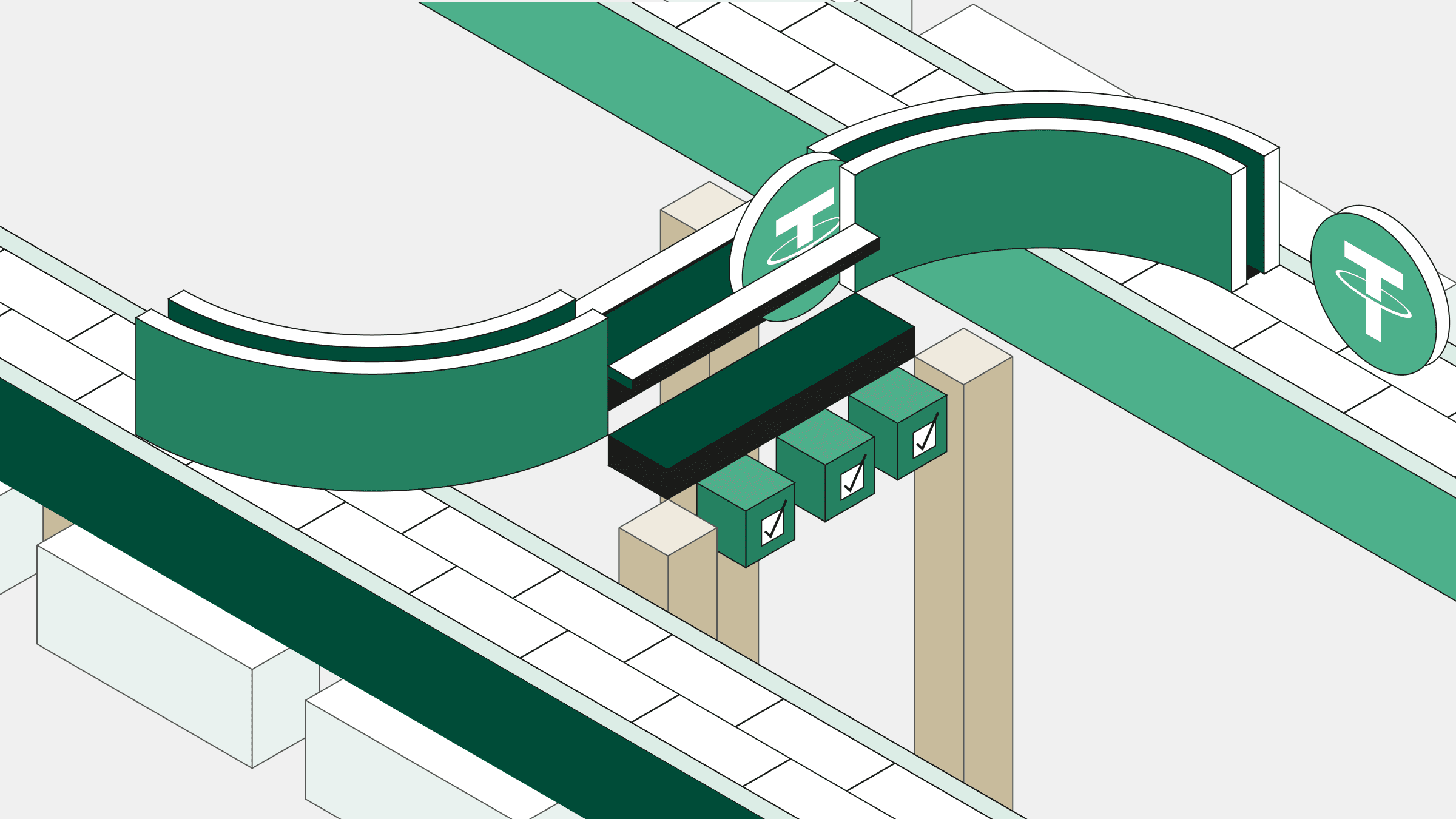
When you execute the bridge, Start with a small test transfer that proves the exact route works, but is small enough that a failure is survivable.
Next, double-check the destination address and re-verify the first and last characters after pasting. Review token approvals carefully, avoid unlimited approvals when possible, and revoke permissions later in your wallet or via a trusted tool like Revoke.cash
During signing, read what you are approving because a malicious approval can drain funds later even if the bridge transfer succeeds.
Browser extensions like Pocket Universe can help prevent this by showing what a transaction will do before you sign, including warnings when it detects suspicious approvals or unexpected asset movements.
Verifying Your Funds on the Destination Chain
After completion, you should check a block explorer for the destination chain, confirm the token contract and your wallet balance, and send a small internal transfer on the destination chain to validate that you can spend the asset.
If you received a wrapped stablecoin, confirm the unwrap or redemption path is clear and that you understand the bridge’s exit liquidity.
Safest Tools and Platforms for Bridging Stablecoins
Direct Bridges Built Into Wallets
When to Use Them and Their Security Benefits
Wallet-integrated bridges are a good fit when you want a simpler flow with fewer manual steps, especially for common assets on major chains. For example, Rabby Wallet includes a built-in “Swap and Bridge” experience, which can reduce the need to hunt for third-party sites and manually compare routes.
The main security benefit is operational: fewer chances to click a fake link or sign the wrong thing. Rabby also emphasizes pre-transaction risk scanning and phishing warnings, which can help catch common mistakes before you approve a transaction.
Reputable Third-Party Cross-Chain Bridges
Considerations for Choosing Among Multi-Chain Options
Compare bridges based on what you receive (canonical stablecoin vs wrapped), liquidity depth (slippage and delays), and transparency (audits, status pages, incident reporting). Established examples include Across, Stargate, and Wormhole.
If you rely on USD₮, remember that stablecoin quality and transparency can vary by issuer. For example, Tether reported over $174B USD₮ in circulation as of September 30, 2025, alongside stated excess reserves.
Issuer risk is separate from bridge risk, but both matter when you are moving large balances.
When Centralized Exchanges Are the Safer Option
A centralized exchange (CEX) can be safer when you want to avoid bridge dApps and smart-contract approvals. You deposit on one chain and withdraw on another, which can be simpler if routes are unreliable or you are not confident verifying URLs and token contracts.
Examples of large, regulated platforms people use for this include Coinbase, Kraken, and Binance.
A CEX adds custody risk, but it can reduce smart-contract and phishing risk. Safety is choosing the risk you can control.
Advanced Safety Tips for Frequent Stablecoin Bridgers
Using Multiple Wallets for Risk Separation
Separate your funds by purpose. In practice, this often means keeping a “hot” wallet for small, routine moves, a dedicated “bridge” wallet used only for bridging, and a “vault” wallet that is often hardware-backed for long-term holdings.
This limits blast radius because risk separation is a practical defense against approvals, malware, and session hijacks.
Monitoring Bridge Status Dashboards and Incident Reports
Before large transfers, check official status dashboards, recent announcements, and independent security monitoring where available.
Bridge risk is not theoretical. Bridge exploits have historically driven major losses, and law enforcement has tied some bridge thefts to sophisticated actors.
For example, the FBI attributed the Harmony Horizon Bridge theft to Lazarus in early 2023. Threat actors follow concentrated liquidity.
How to Test With Small Transfers Before Moving Large Amounts
A good test transfer is not symbolic. It should validate the exact route you will use for the full transfer, whether you must claim or swap on the destination chain, and whether the received asset is the correct stablecoin contract.
Then repeat the same steps for the full amount. Consistency prevents “one-off” mistakes.
Protecting Yourself From Common Cross-Chain Scams
Common scam patterns include sponsored search ads leading to clone bridge sites, “support” agents asking you to share seed phrases, fake tokens with similar tickers on the destination chain, and malicious approvals disguised as bridging steps.
For high-risk moments, slow down and validate. Security is mostly refusing to rush.
Final Thoughts: Safely Bridging Stablecoins in a Multi-Chain World
Stablecoins are becoming a core piece of the digital dollar economy, but the multi-chain reality means users will keep bridging. The safest outcomes come from repeatable discipline: verified tools, contract and URL checks, realistic fee planning, and test transfers.
If you are moving stablecoins for payments, settlement, or treasury operations, prioritize infrastructure designed for high-throughput, low-cost transactions and operational clarity.
Disclaimer: This article is for educational purposes. It is not legal, tax, or investment advice.